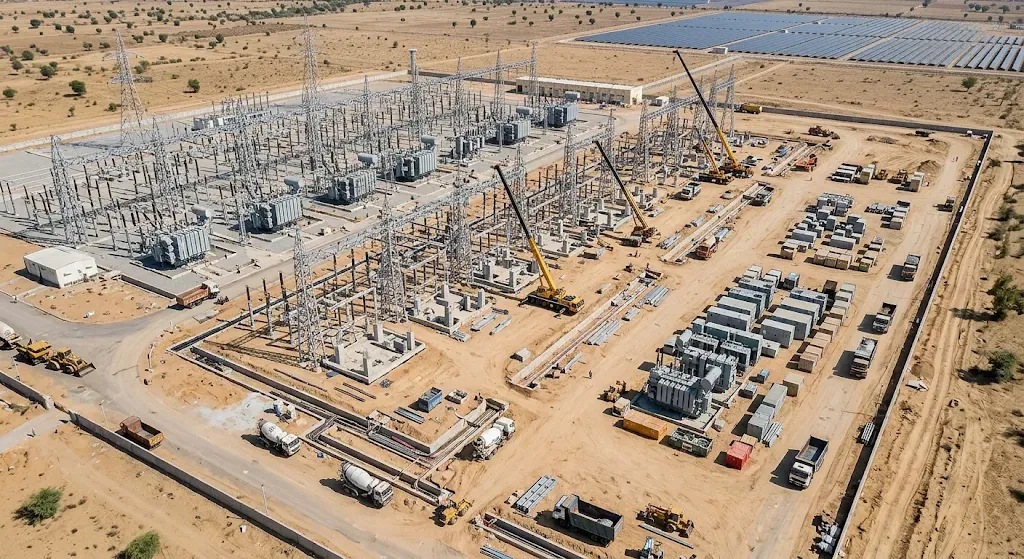
ITALY; SAUDI ARABIA —The Public Investment Fund (PIF) of Saudi Arabia has successfully closed a dual-tranche credit facility totaling US$3 billion, backed by guarantees from SACE, the official export credit agency of Italy. The capital package, sourced from a syndicate of twenty-five international financial institutions, is structured to facilitate enhanced procurement of goods and services from Italian enterprises while simultaneously funding sustainable development initiatives within the Saudi ecosystem.
This financial arrangement holds significant strategic importance as it de-risks cross-border trade and establishes a dedicated capital channel for bilateral economic cooperation. By leveraging export credit guarantees, the sovereign investor effectively lowers its cost of capital while providing Italian exporters with secure payment mechanisms. This alignment directly supports large-scale domestic development agendas by ensuring reliable access to specialized European engineering, manufacturing, and green technology expertise.
The policy and industry ramifications extend across multiple sectors, particularly benefiting Italian industrial manufacturers, infrastructure developers, and renewable energy solution providers. For the Saudi market, the dedicated euro-denominated green tranche accelerates the deployment of environmentally sustainable projects, adhering to established sovereign green finance frameworks. This mechanism reinforces the regulatory push toward climate-aligned investments and enhances the resilience of critical supply chains against global market volatility.
From a strategic market perspective, this transaction highlights a broader trend of sovereign wealth funds diversifying their funding instruments beyond traditional bond issuances. The Public Investment Fund (PIF) is the primary sovereign wealth vehicle of Saudi Arabia, tasked with driving economic diversification and managing strategic global assets. SACE functions as Italy’s export credit agency, designed to bolster the international competitiveness of domestic firms by mitigating foreign market risks. Their collaboration, rooted in a prior bilateral agreement, signals a mature, long-term approach to cross-border capital allocation and supply chain integration, offering a replicable model for future international public-private financial partnerships.