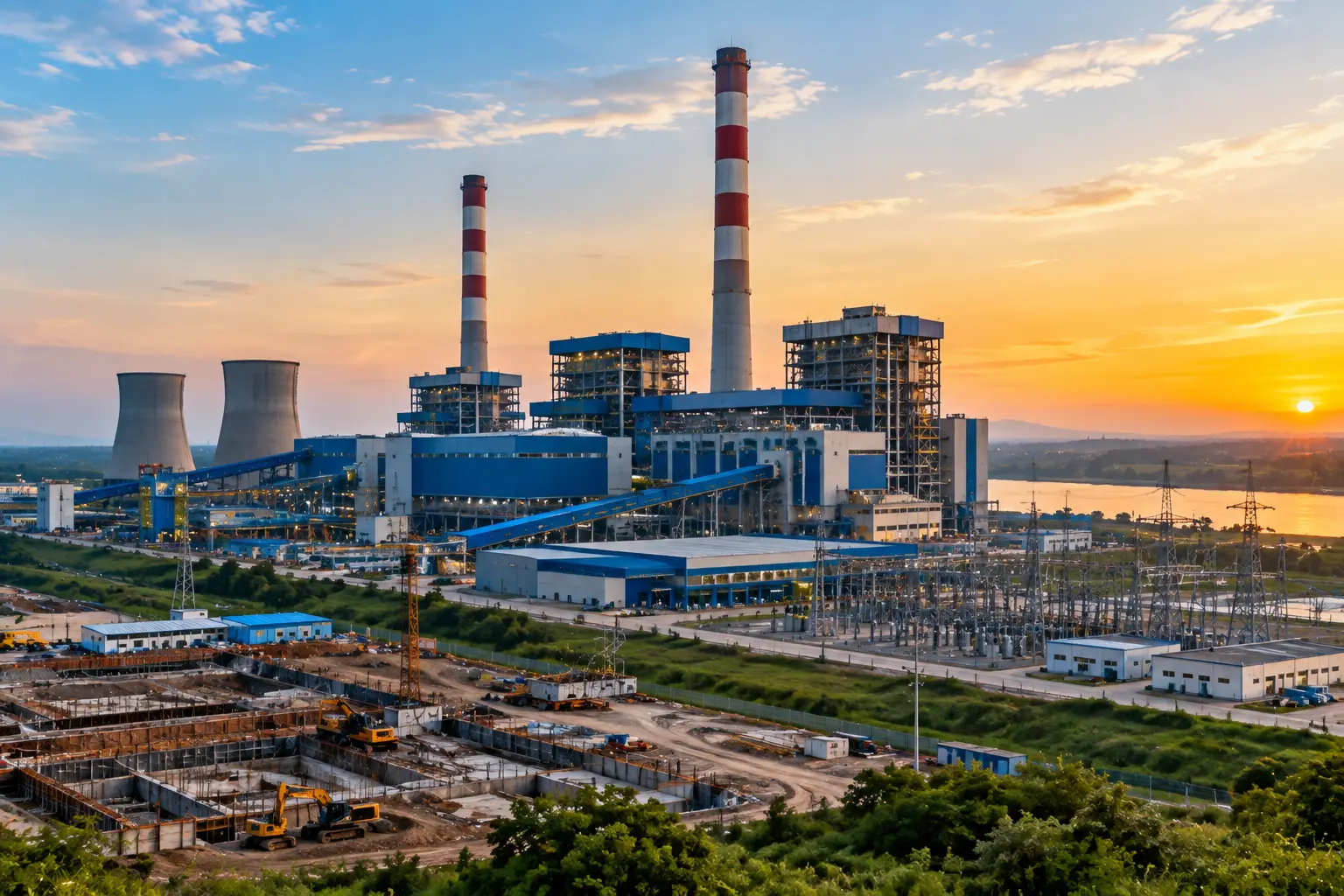
INDIA —India's Petroleum and Natural Gas Regulatory Board (PNGRB) has granted authorization to state-owned enterprise GAIL (India) Limited for the development of approximately 1,800 kilometers of new Liquefied Petroleum Gas pipeline infrastructure. The capital expenditure for the network expansion is estimated at INR 70 billion. The statutory regulatory body oversees downstream petroleum and natural gas activities to protect consumer interests and foster competitive midstream infrastructure across the country.
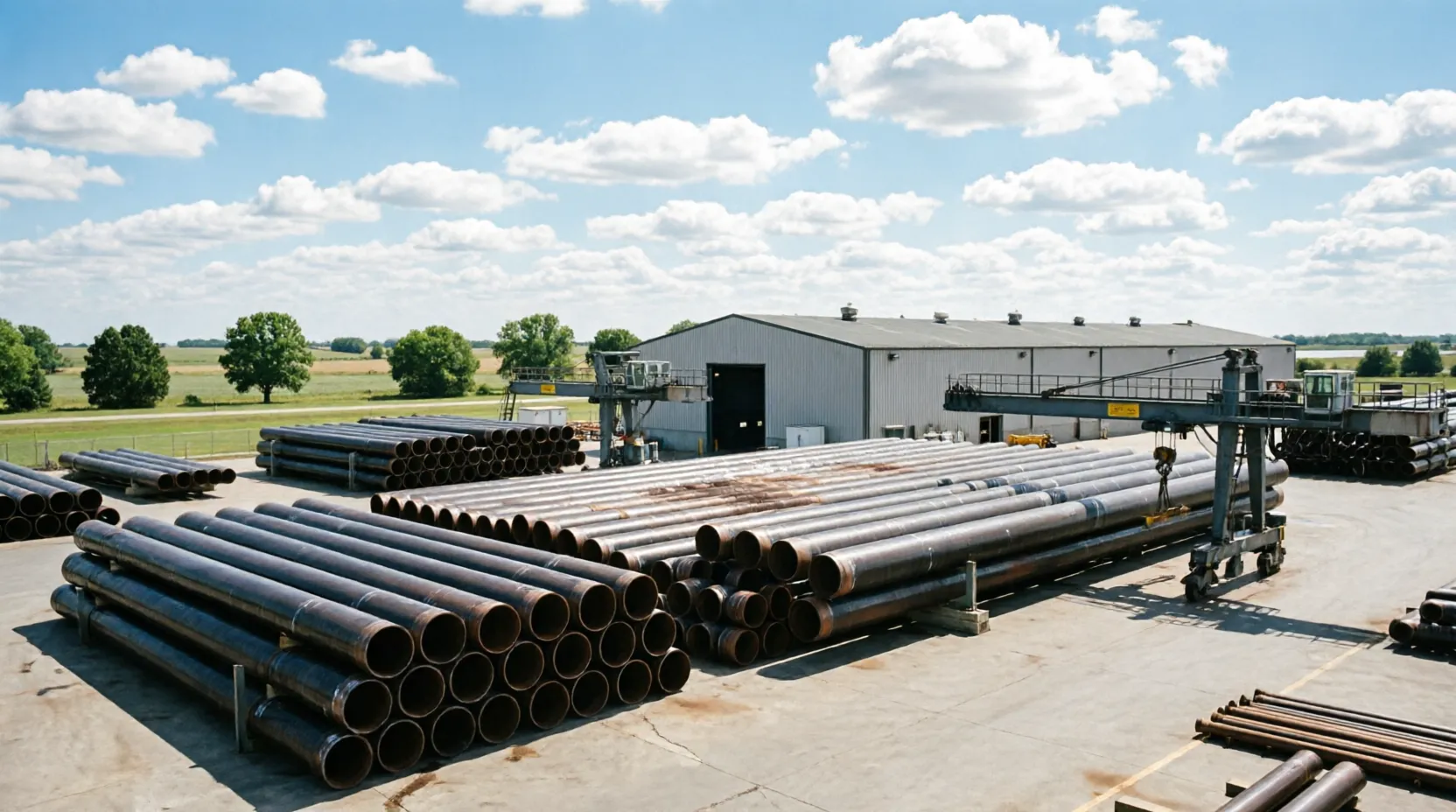
The expansion encompasses three strategic corridors traversing Telangana, Maharashtra, Uttar Pradesh, Uttarakhand, Karnataka, and Goa. Specific developments include a 556-kilometer pipeline connecting Cherlapally to Nagpur, a 633-kilometer line linking Shikrapur with Goa and Hubli, and a 611-kilometer network spanning from Jhansi to Sitarganj. Upon completion, these additions will expand India's total common carrier LPG trunkline grid from 7,700 kilometers to nearly 9,500 kilometers, representing a 23.5 percent capacity increase.
This infrastructural shift addresses structural vulnerabilities in domestic energy distribution. Because India relies heavily on sea imports for its bulk domestic supply, primary movement from coastal entry points to inland bottling plants traditionally depended on heavy road transport. Modernizing midstream logistics into dedicated underground pipelines provides continuous line-pack storage capabilities, mitigates supply chain bottlenecks, and strengthens operational resilience during sudden demand surges or import disruptions.
From an industrial and ESG perspective, transitioning bulk hazardous liquid transport from roads to pipeline networks drastically decreases logistics overheads and freight congestions. The move aligns with strict safety directives aimed at eliminating long-haul tanker truck movements, curbing highway hazards and substantially lowering carbon emissions associated with downstream energy distribution. Investors and industrial operators will benefit from lower transportation tariffs, improved domestic energy reliability, and streamlined midstream efficiency.