INDIA —Power Grid Corporation of India Limited has finalized the acquisition of Lakadia II Power Transmission Limited as part of a strategic initiative to expand inter-state power evacuation pathways. The project execution follows a competitive bidding process where the utility emerged as the winning bidder to construct critical transmission infrastructure. The special purpose vehicle was acquired for an aggregate cash consideration of about ₹184.3 million, encompassing equity shares along with corresponding assets and liabilities.
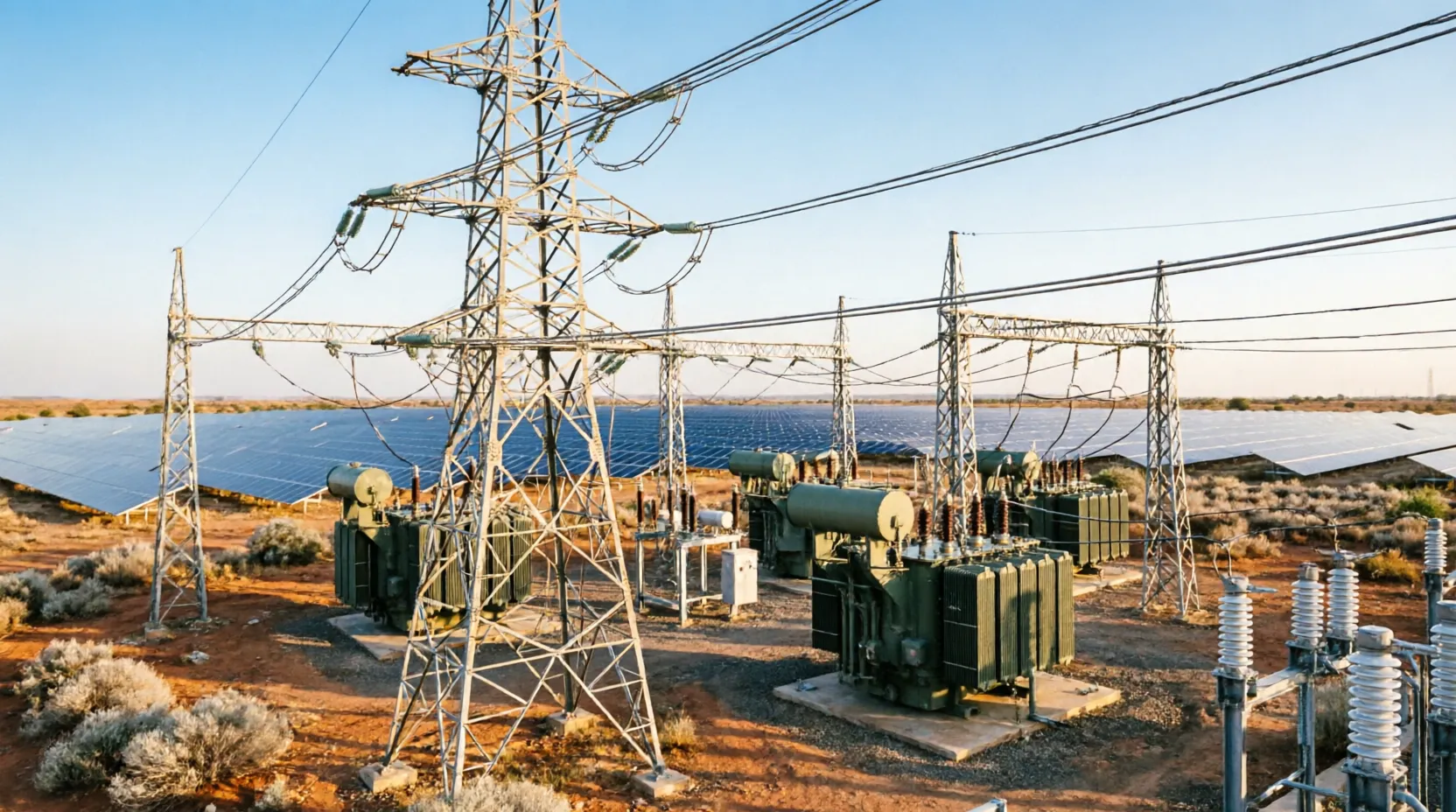
The expansion scheme focuses on integrating large-scale renewable energy generation originating from the Lakadia renewable energy zone located in the state of Gujarat. Key technical components of the infrastructure buildout include the establishment of a new 765/400 kilovolt sub-station alongside high-capacity transmission lines traversing the region. Additional infrastructure requirements entail the installation of advanced synchronous condensers to maintain grid stability and voltage regulation.
Power Grid Corporation of India Limited is a central public sector undertaking under the ownership of the Ministry of Power, Government of India, operating as a premier electric transmission utility. The enterprise is tasked with planning, executing, owning, and maintaining high-voltage transmission networks across the country to facilitate bulk power transfers. This strategic acquisition reinforces the institutional framework governing renewable energy integration, ensuring that large-scale clean power additions connect reliably to national consumption centers without destabilizing regional grids.
For energy developers and industrial stakeholders, the expansion addresses critical transmission bottlenecks associated with remote renewable energy generation sites. The systematic deployment of high-voltage lines and stabilization equipment mitigates curtailment risks for clean energy operators while providing long-term predictable tariff structures. Market participants view the development as a crucial step in fulfilling national decarbonization targets by upgrading grid capacity to absorb multi-gigawatt renewable additions.