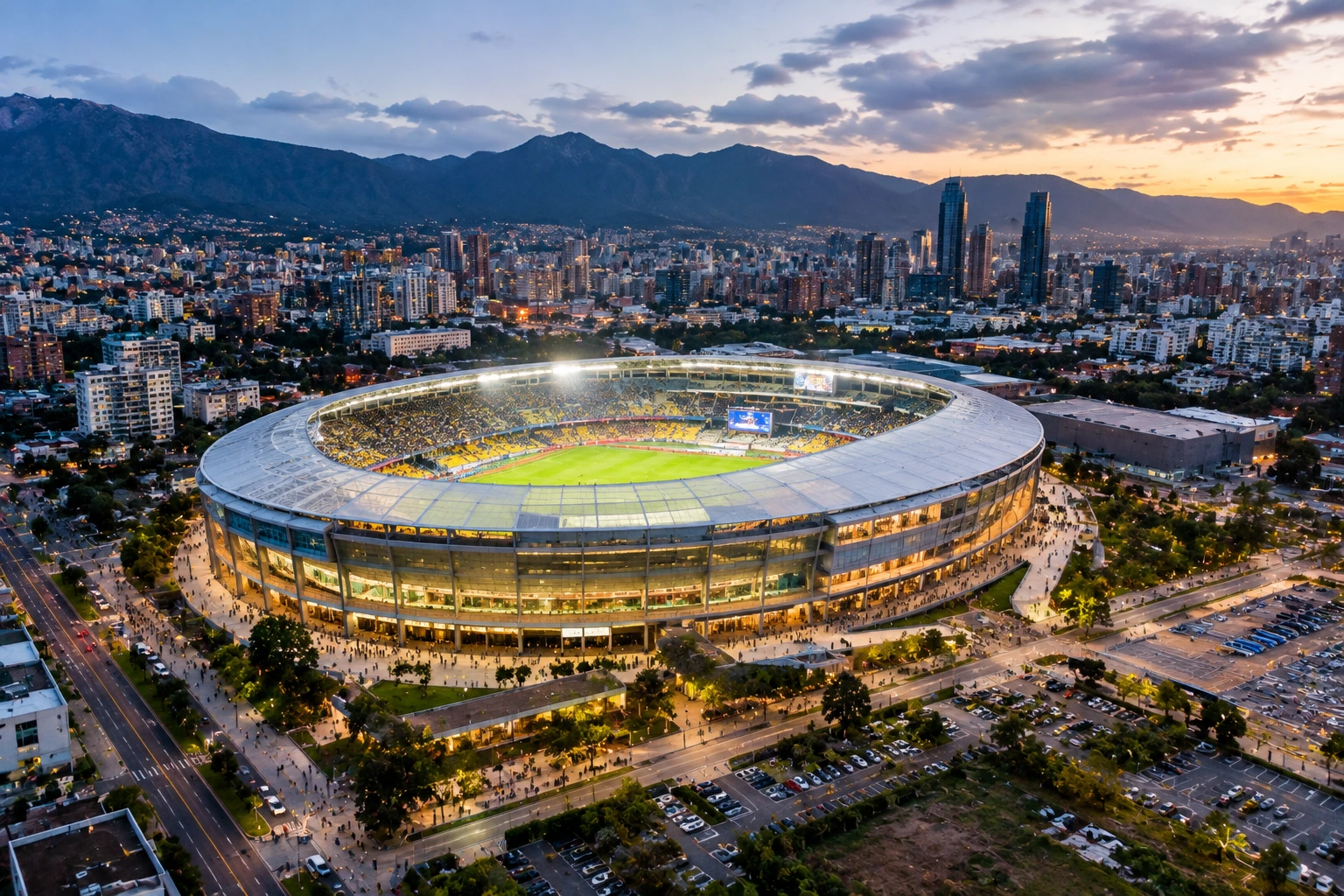
CHINA; COLOMBIA —POWERCHINA has signed a commercial agreement with Colombia-based enterprise Sencia to execute the El Campín Stadium project in Bogotá. The comprehensive scope of work covers engineering design, procurement of equipment, construction, technical installation, testing, and final facility handover. The centerpiece of the development is a modern 50,000-seat sports stadium, complemented by a multi-level parking structure and integrated urban planning works. Headquartered in Beijing, POWERCHINA is a state-owned enterprise specializing in global infrastructure design, engineering, and construction services across energy, civil engineering, and urban development sectors.
This commercial agreement marks POWERCHINA's largest sports venue project in the Americas to date. Urban redevelopment projects of this scale address persistent gaps in public service infrastructure while enhancing metropolitan capacity for major sports, cultural, and civic gatherings. For Bogotá, upgrading its central sports complex forms part of a broader strategy to solidify its status as a regional destination for tourism, entertainment, and commercial events.
The agreement underscores an expanding role for Chinese engineering and construction contractors in Latin American public infrastructure projects. Local construction and municipal planning sectors in Colombia will see direct operational impacts as long-term development activities proceed. Furthermore, the modern facilities are expected to stimulate commercial activity across regional tourism, hospitality, and event management sectors by hosting higher-capacity international events.
For international infrastructure firms and investors, POWERCHINA's expansion in Colombia illustrates the ongoing viability of cross-border infrastructure partnerships in South America. The project demonstrates a continued reliance on turnkey engineering, procurement, and construction delivery models for complex multi-use urban facilities. As global firms compete for large-scale municipal contracts, project execution efficiency and alignment with local urban planning objectives remain critical determinants of market success.