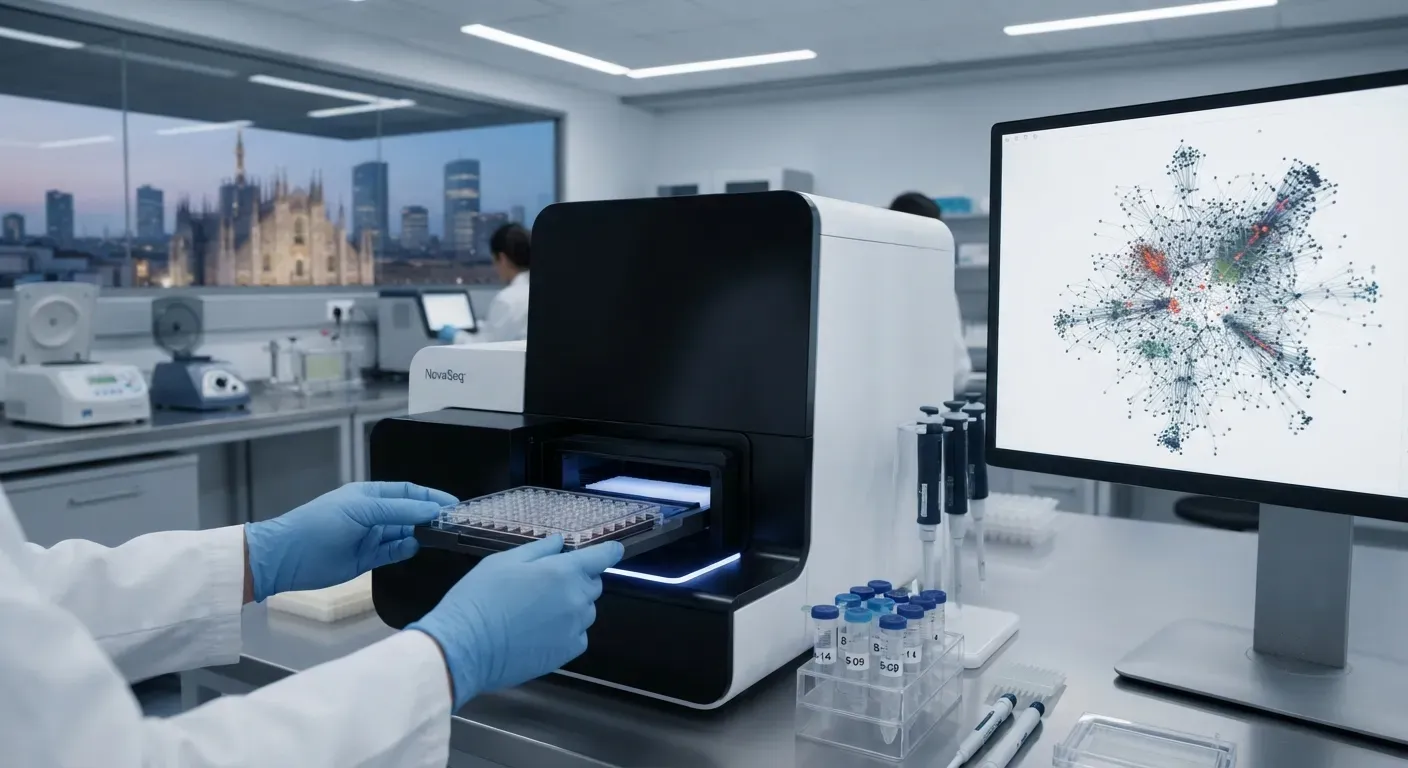
ITALY —Prostatype Genomics has entered into a commercial agreement with the Humanitas Group for the clinical use of its Prostatype diagnostic test in Italy. Testing operations will be centralized at a Humanitas laboratory in Milan that already has prior operational experience with the assay, enabling faster routine deployment across the network.
Prostatype Genomics is a diagnostics company focused on molecular testing for prostate cancer management, while pursuing commercial expansion in European healthcare markets and reimbursement coverage in the United States. The Humanitas Group operates a network of twelve hospitals across Italy, concentrated primarily in the northern part of the country, with six facilities delivering urology services.
Establishing access through an established private hospital group in northern Italy complements Prostatype Genomics' earlier commercial arrangement with Tor Vergata University Hospital in Rome. Centralizing testing at a familiar facility reduces technical onboarding friction, allowing clinicians to integrate the diagnostic tool into standard urology workflows more quickly than starting from a greenfield laboratory setup.
For the diagnostic sector and urology providers, the deal underscores growing commercial traction for specialized cancer diagnostics within European private hospital networks. Because the agreement operates within the private healthcare segment, adoption timelines depend heavily on hospital clinical protocols, physician uptake, and private payer or self-pay dynamics rather than public tender cycles.
For investors and healthcare executives, the partnership illustrates a dual-track commercial approach in which Prostatype Genomics builds European reference sites and private-sector revenue momentum alongside its primary strategic objective of securing Medicare reimbursement in the United States. Operational details and logistical planning remain to be finalized with Humanitas, after which management plans to evaluate the agreement's overall commercial scale, while ongoing discussions with additional European private providers and insurers could serve as further catalysts.