UNITED STATES OF AMERICA —Biopharmaceutical developer Psyence Biomedical has structured a dual-part financial transaction with active pharmaceutical ingredient producer PsyLabs to lock in manufacturing supply for its upcoming drug development initiatives. Under the terms of the agreement, Psyence Biomedical will commit up to $5 million in cash funding to PsyLabs, which includes an immediate $2.4 million capital subscription and a $2.6 million milestone-contingent backstop. Concurrently, both entities will complete a reciprocal stock exchange valued at approximately $9 million on each side. Following these transactions, Psyence Biomedical will increase its ownership stake in PsyLabs to 41.13%, while PsyLabs will hold 49.89% of Psyence Biomedical's outstanding equity.
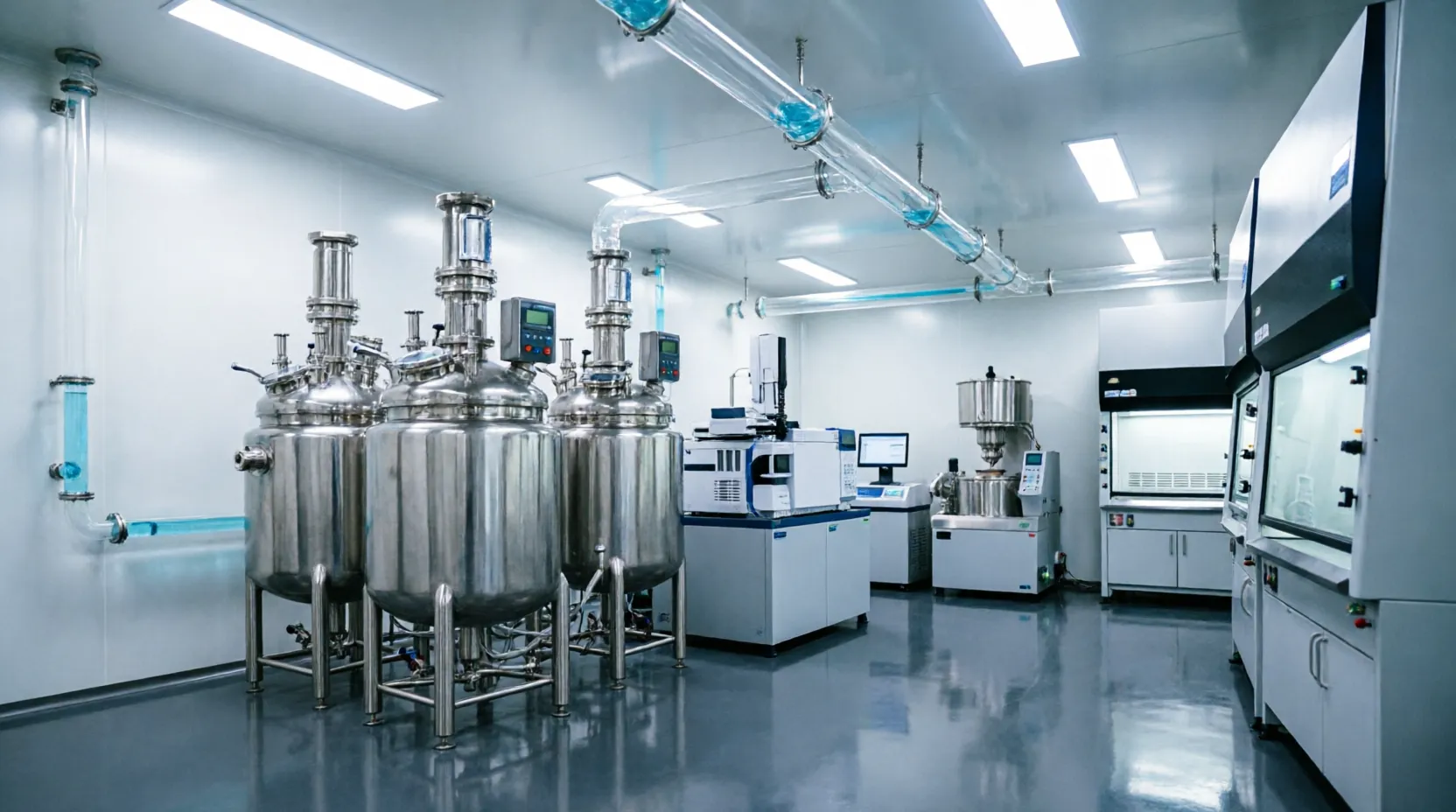
Psyence Biomedical is a Nasdaq-listed biopharmaceutical enterprise focused on developing nature-derived neuroplastogen therapeutics targeting mental health conditions, including opioid use disorder. PsyLabs is a federally licensed active pharmaceutical ingredient developer operating an ISO 22000 and Good Manufacturing Practice compliant facility dedicated to compound purification and global distribution.
The realignment of corporate ownership directly addresses a central operational bottleneck in the regulated botanical drug space: establishing reliable, pharmaceutical-grade supply lines that meet stringent clinical standards. To execute its operational strategy within the United States, Psyence Biomedical has formed a dedicated local subsidiary, Texas Ibogaine Research Corporation, headquartered in Texas. This entity will coordinate upcoming regulatory, clinical, and development frameworks aimed at evaluating ibogaine formulations for addiction treatment.
The convergence of clinical research and specialized manufacturing highlights growing commercial interest in botanical neuroplastogens as potential medical therapies. By consolidating cross-ownership with an ingredient supplier, Psyence Biomedical mitigates supply chain vulnerabilities prior to submitting formal clinical trial applications. Texas has increasingly positioned itself as a supportive jurisdiction for state-backed botanical compound studies, providing a regulatory testing ground for early-stage life sciences firms. Investors and market participants in the novel therapeutics space are monitoring how effectively vertically integrated models can navigate federal regulatory pathways and complex clinical validation processes.