GERMANY; ISRAEL —Ramon.Space, a specialized space computing infrastructure provider, has closed a USD 124 million Series B financing round. The investment was spearheaded by growth equity firm PSG, alongside strategic backing from Micron Technology, Senvest, Phoenix Financial, StageOne, Deep Insight, and Grove Ventures. The capital injection is designated for scaling manufacturing and accelerating the global deployment of advanced onboard processing systems.
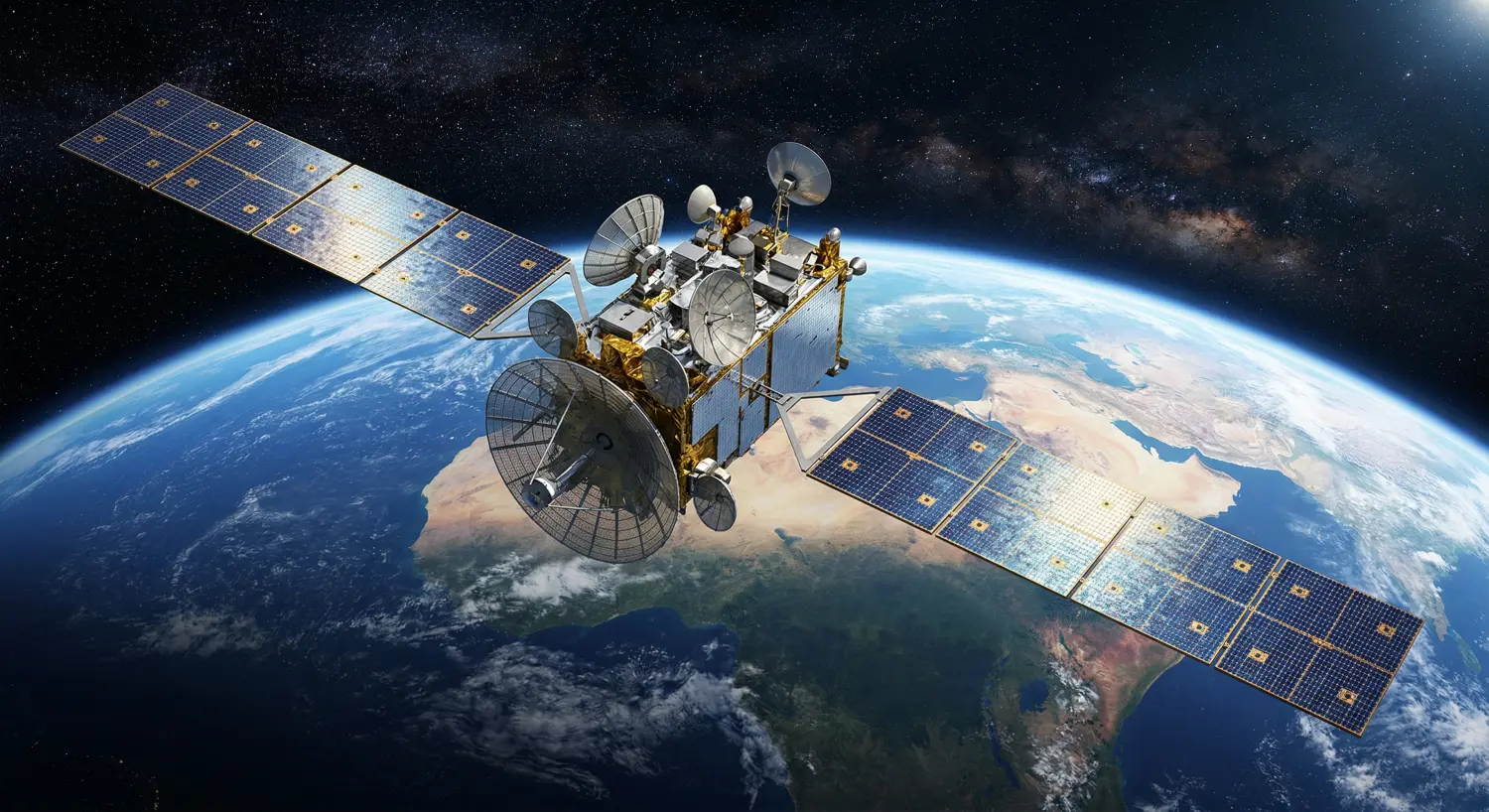
Ramon.Space develops software-defined digital processors that deliver Earth-grade computing, storage, and networking capabilities within the harsh conditions of space. The enterprise maintains operational offices across the United States, United Kingdom, Germany, and Israel, supporting both commercial and government orbital missions with radiation-tolerant hardware.
This development underscores a critical shift in the space economy, where data processing is migrating from ground stations to orbital edge environments. As satellite networks grow in complexity and artificial intelligence applications demand lower latency, the ability to execute heavy computational workloads directly in space eliminates bandwidth bottlenecks and enhances real-time decision-making for Earth observation and communications networks.
The aerospace and technology sectors stand to benefit significantly from this maturation of space-based infrastructure. Defense contractors, telecommunications operators managing mega-constellations, and remote sensing enterprises will gain access to more resilient and scalable data management solutions. Furthermore, this trend aligns with broader national security objectives to maintain technological superiority and data sovereignty in increasingly contested orbital domains.
For investors and industry stakeholders, this financing validates the commercial viability of orbital data centers and edge computing in space. The involvement of a major semiconductor player like Micron Technology signals growing supply chain integration between terrestrial hardware manufacturers and space technology firms. Companies operating in the satellite ecosystem should anticipate increased capital flows toward vendors capable of delivering enterprise-scale, radiation-tolerant computing nodes to meet surging global demand.