
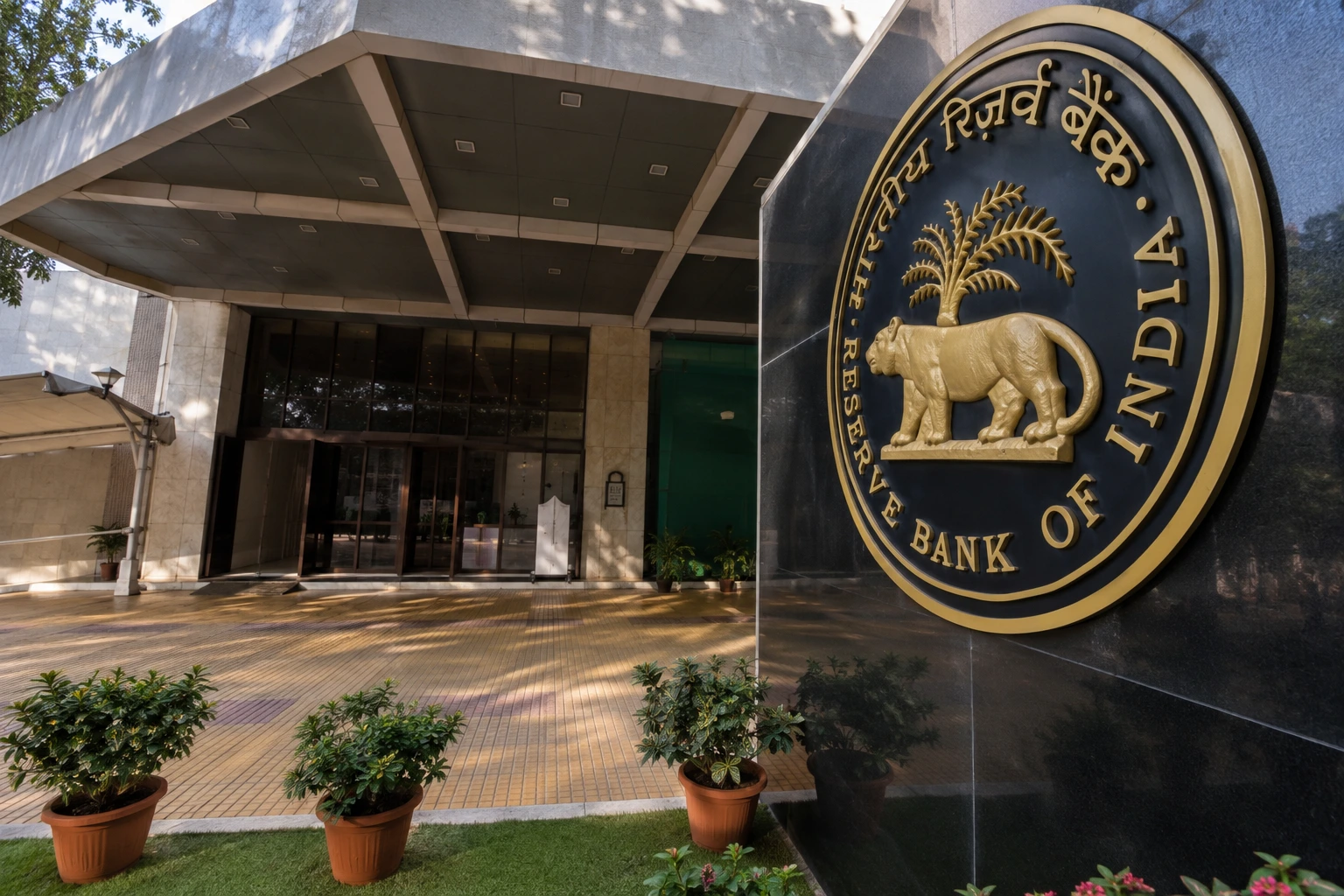
The Reserve Bank of India has extended the implementation deadline for its revised capital market exposure and acquisition financing framework by three months to July 1, 2026, providing financial institutions and market intermediaries additional time to align with the new regulatory compliance parameters.
The Reserve Bank of India (RBI) has extended the transition window for financial institutions adopting its updated capital market exposure framework. Initially scheduled for enforcement on April 1, the implementation deadline for the revised guidelines has been officially deferred by three months, establishing a new compliance timeline of July 1, 2026. According to official disclosures, the extension was granted following formal representations from commercial banks, market intermediaries, and industry associations seeking operational clarity and additional preparation time to adjust internal systems to the structural changes.
This regulatory adjustment is a critical development for India's corporate finance landscape, particularly regarding how domestic expansions are leveraged. By adjusting the operational timeline, the central bank prevents sudden disruptions in liquidity flows and compliance bottlenecks that could have arisen from an immediate enforcement. The core updates focus on expanding the scope of bank-financed corporate buyouts, standardizing credit limits against equity instruments, and shifting toward a principles-based regulatory oversight model for market intermediaries.
The policy changes carry direct structural implications for the banking sector and corporate entities engaged in consolidation activities. Under the clarified rules, the scope of acquisition finance explicitly encompasses mergers and amalgamations, provided the target entity is a non-financial corporation. Furthermore, the updated framework introduces strict synergy verification requirements for banks when financing the acquisition of holding or parent companies, ensuring that capital deployment translates into verifiable operational linkages across subsidiaries. The framework also grants corporate borrowers the flexibility to utilize bank finance to fund both domestic and cross-border subsidiaries tasked with acquiring target operations.
For institutional investors, corporate boards, and banking executives, the deferred timeline offers a vital window to restructure capital allocation strategies and compliance workflows. By permitting acquisition financing to flow through multiple tiers of corporate structures, the central bank is effectively streamlining the funding mechanism for large-scale corporate restructurings and international expansions. The Reserve Bank of India operates as the nation's central banking authority, responsible for regulating the monetary policy, overseeing commercial banking institutions, and maintaining financial stability across the domestic economy.
About GlobeNewsInfo
GlobeNewsInfo.com is a business news platform providing latest updates on global business developments, projects, and contract opportunities across diverse sectors and regions. The platform is designed to serve as a trusted source of information for companies, investors, and professionals worldwide.