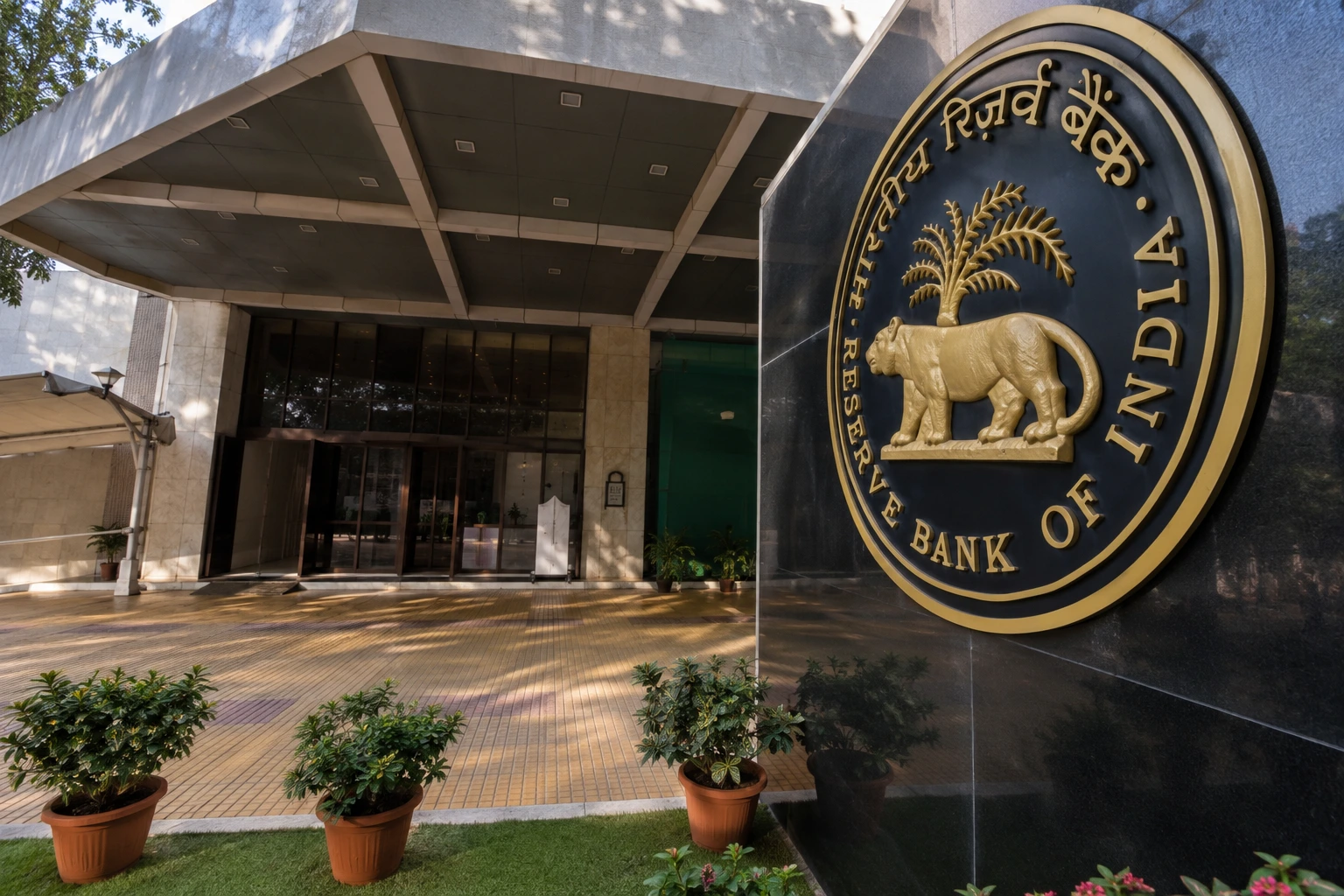
INDIA —In response to persistent price pressures, the Monetary Policy Committee of the central bank elevated the key repo rate to 5.50% from 5.25%, marking its first policy tightening move since 2023. The central bank also formally transitioned its monetary framework to a stance of calibrated tightening. Headquartered in Mumbai, the Reserve Bank of India (RBI) serves as the nation's central monetary authority, tasked with maintaining price stability, regulating the banking sector, and fostering sustainable macroeconomic expansion.
The decision comes amid a continuous ten-month escalation in domestic consumer prices, with retail inflation reaching 4.8% in August—surpassing the official medium-term target of 4.0%. Elevated global commodity expenses, compounded by supply bottlenecks along key international trade corridors and weather-induced agricultural headwinds, have elevated baseline price projections. Despite these external headwinds, domestic macroeconomic metrics remain robust, prompting an upward adjustment of the national annual growth forecast to 7.1%.
Higher borrowing costs will directly affect commercial lending rates, expanding interest margins for banking institutions while increasing financing expenses across capital-intensive sectors such as real estate, automotive, and infrastructure development. Energy-dependent industries and agrarian supply networks face compounding pressures due to import dependency and potential food production deficits. Simultaneously, debt capital markets experienced immediate adjustment, reflected in higher government bond yields following the policy announcement.
For international institutional investors and corporate treasuries, the monetary tightening aligns domestic policy with broader international central banking trends aimed at curbing sticky inflation. While higher yields bolster sovereign debt appeal, elevated capital costs may lead enterprises to re-evaluate capital allocation strategies and defer non-essential expansion plans. The central bank's shift indicates that future policy adjustments will prioritize inflation containment over short-term liquidity expansion.