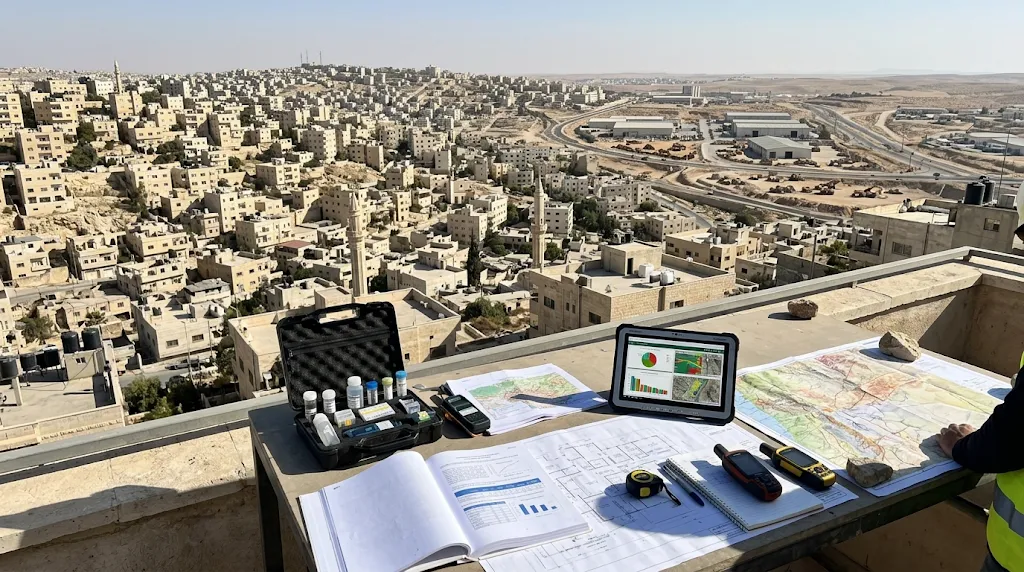
JORDAN; PALESTINIAN TERRITORY —A new cross-border technical program aimed at strengthening environmental impact assessment capabilities across the Levant has officially commenced in Amman, bringing together environmental authorities and civil society institutions from Jordan, Palestine, and Syria. The three-day initiative combines specialized training modules with operational field visits to build technical proficiency in evaluating the ecological footprints of proposed commercial and public works.
Backed by the Global Environment Facility (GEF) Small Grants Program and implemented by the United Nations Development Program (UNDP), the project is spearheaded locally by the Jordan Environment Society. The Jordan Environment Society is a non-governmental organization dedicated to environmental advocacy, sustainable resource management, and ecological education across the kingdom. Operating alongside it, the United Nations Development Program serves as the global development network of the United Nations, channeling multilateral funding into sustainable infrastructure and institutional capacity building.
This coordinated effort arrives as Levant economies seek to balance post-conflict reconstruction, industrial expansion, and resource scarcity with stricter ecological safeguards. By embedding standardized environmental evaluation protocols within non-governmental organizations, multilateral donors and regional ministries are effectively expanding external oversight mechanisms. Strengthening third-party monitoring reduces the likelihood of regulatory bottlenecks later in the project lifecycle while addressing shared transboundary environmental risks.
Representatives from Jordan’s Ministry of Environment, the Palestinian Environment Quality Authority (EQA), and Syria’s Ministry of Local Administration and Environment participated in the rollout, underscoring high-level institutional alignment on regulatory enforcement. Officials emphasized that modernizing legislative frameworks and tightening facility compliance monitoring are essential prerequisites for sustainable economic growth. Enhanced public participation and technical rigor during early-stage project reviews are expected to reshape how regional authorities approve land use, water allocation, and industrial zoning.
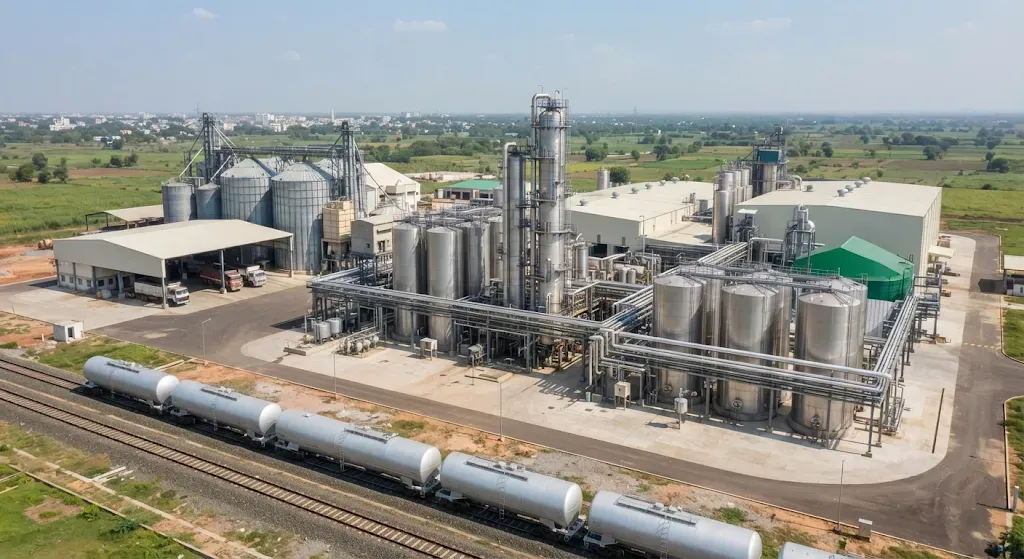
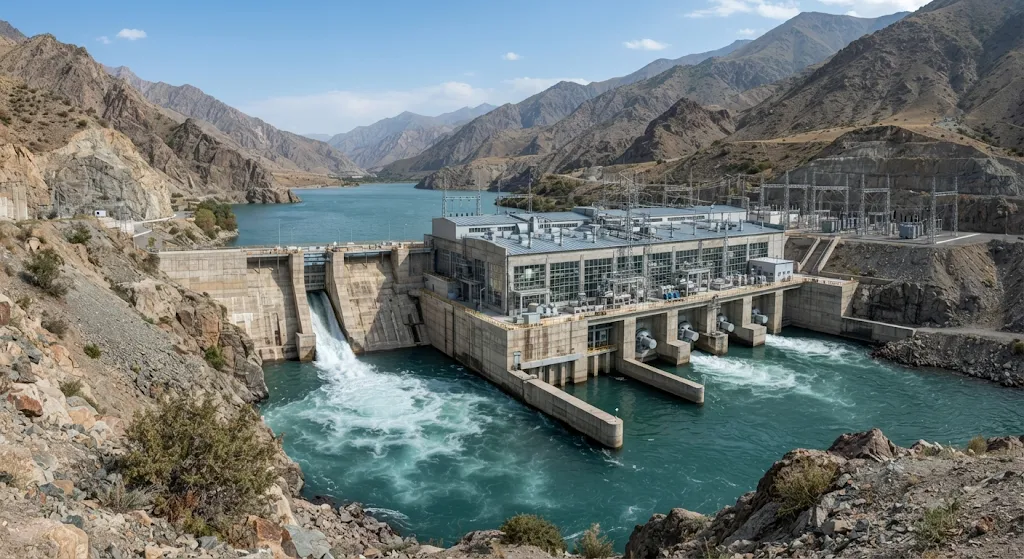
For infrastructure developers, energy firms, and institutional investors operating across Jordan, Palestine, and Syria, the initiative signals a more rigorous permitting environment. Companies planning capital-intensive projects in construction, manufacturing, or utilities should anticipate heightened scrutiny from both state regulators and newly empowered civil society watchdogs. Integrating comprehensive environmental impact mitigation early into feasibility studies and engineering designs will become critical to securing project approvals, maintaining social license to operate, and qualifying for international development financing.