SWEDEN —Rejlers is continuing its engineering consultancy and design management work for a large correctional infrastructure project in Sweden, with responsibilities covering electrical and telecommunications systems, structural engineering and coordination across multiple technical disciplines. The assignment is being carried out on behalf of NCC, which is delivering the development under a design-and-build arrangement in collaboration with Specialfastigheter.
The current phase builds on Rejlers' involvement during the project's preliminary development and scheme design stages, when the company acted as lead consultant. Its earlier scope included ventilation, heating and plumbing, electrical and telecommunications installations, structural engineering, acoustics, moisture protection, fire sprinkler systems, lifts, ground source energy and overall design coordination. The continued engagement is intended to maintain technical consistency and manage interfaces between the different engineering disciplines as the design progresses.
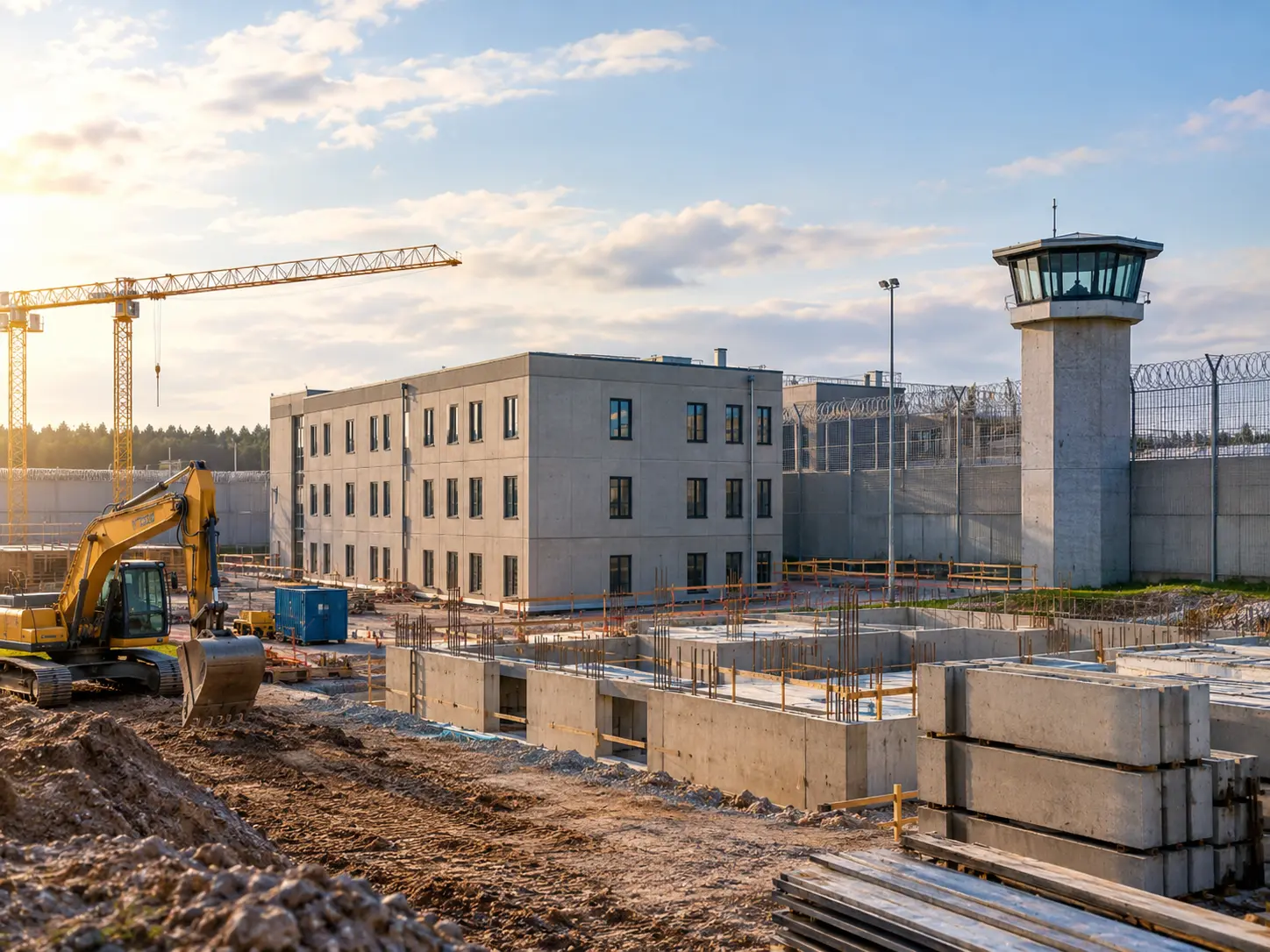
The planned facility will cover approximately 110,000 square metres and comprise a remand centre, multiple prison buildings, facilities for the Swedish Prison and Probation Service's National Transport Unit, and a transfer centre. Once completed, the complex is expected to accommodate more than 800 inmates and around 600 employees. It will operate under Sweden's security class 2 classification, with additional security provisions incorporated into the facility's design.
The development addresses growing demand for correctional capacity in Sweden. The country's existing prison and remand infrastructure currently provides approximately 13,000 places, while the Swedish Prison and Probation Service has established a target of increasing capacity to 20,000 places by 2035. The expansion requirement is creating demand for new correctional buildings, associated technical infrastructure and specialist engineering services.
The project has implications for Sweden's construction, engineering and public infrastructure sectors, particularly companies involved in secure institutional buildings, building systems integration and complex design-and-build delivery. Electrical, telecommunications, structural and security-related engineering will be important elements in ensuring that the facility meets its operational requirements.
For Rejlers, the continued assignment extends its role beyond preliminary consultancy into subsequent design development and multidisciplinary coordination. NCC remains responsible for project delivery under the design-and-build model, while Specialfastigheter is involved in the development of the facility. The project also reflects the wider investment requirements facing Sweden's correctional infrastructure as authorities work towards the planned increase in detention capacity by 2035.