INDIA —Replus Engitech, a clean energy subsidiary of HEG Advanced Materials, has entered into a strategic memorandum of understanding with Indus Towers to deploy advanced Battery Energy Storage System solutions across the Indian telecommunications network. Under the terms of the agreement, the battery manufacturer will allocate one point five gigawatt-hours of dedicated production capacity over a two-year period specifically tailored for telecom infrastructure applications. Indus Towers functions as one of the largest telecom tower operators in the domestic market, providing critical passive infrastructure to multiple mobile network operators. HEG Advanced Materials and its subsidiaries specialize in the manufacturing and integration of advanced chemistry cells, lithium-ion battery systems, and emerging energy storage technologies.
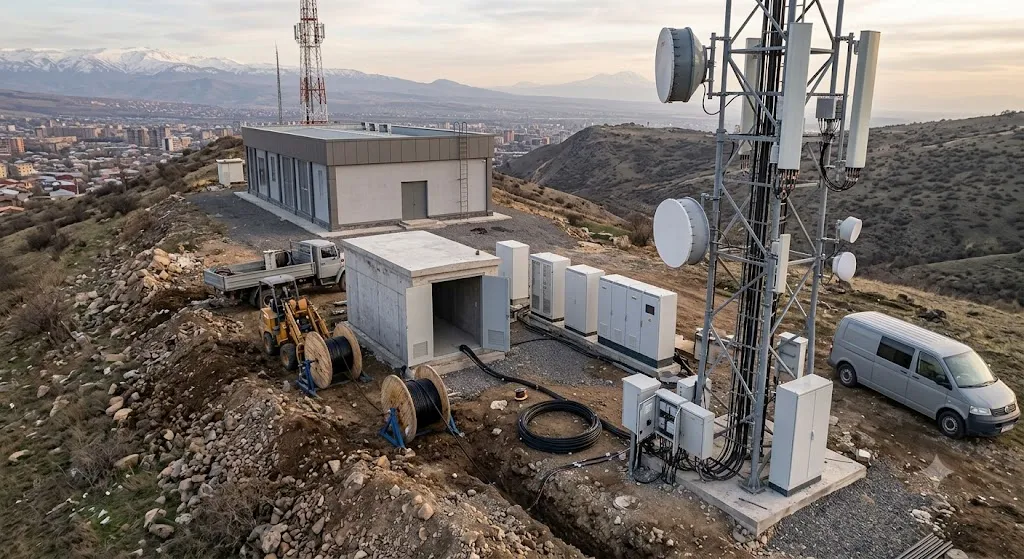
This collaboration addresses a critical operational requirement within the telecommunications sector, which relies heavily on uninterrupted power supply to maintain network uptime. Historically, telecom infrastructure has depended on diesel generators and conventional lead-acid batteries to manage grid outages. By integrating specialized energy storage systems, tower operators can significantly enhance energy efficiency, reduce operational expenditures, and lower their carbon footprint. The partnership plans to look beyond standard lithium-ion applications, evaluating alternative architectures such as sodium-ion batteries. These emerging chemistries offer distinct advantages for stationary storage applications, including improved thermal stability and lifecycle performance, which are essential for remote or challenging environmental conditions.
The development reflects a broader industrial shift toward localized supply chains and sustainable energy integration in heavy infrastructure. As telecommunications networks expand to support high-speed data transmission and ubiquitous connectivity, the associated power demands are escalating rapidly. Securing a dedicated domestic supply of advanced battery systems shields infrastructure operators from global supply chain volatility and aligns with national objectives to bolster indigenous manufacturing capabilities. This move sets a benchmark for other telecom providers to transition away from fossil-fuel-dependent backup power, accelerating the greening of the wider communications industry.
For business leaders and infrastructure investors, this agreement highlights the growing convergence between the clean energy and telecommunications sectors. By securing forward production capacity, Indus Towers mitigates procurement risks and establishes a predictable pipeline for its network modernization initiatives. Simultaneously, the arrangement provides Replus Engitech with a substantial, captive demand anchor, facilitating economies of scale in its manufacturing operations. This synergy not only validates the commercial viability of advanced energy storage in non-automotive sectors but also signals lucrative opportunities for ancillary industries involved in grid integration, battery management software, and lifecycle asset management.