
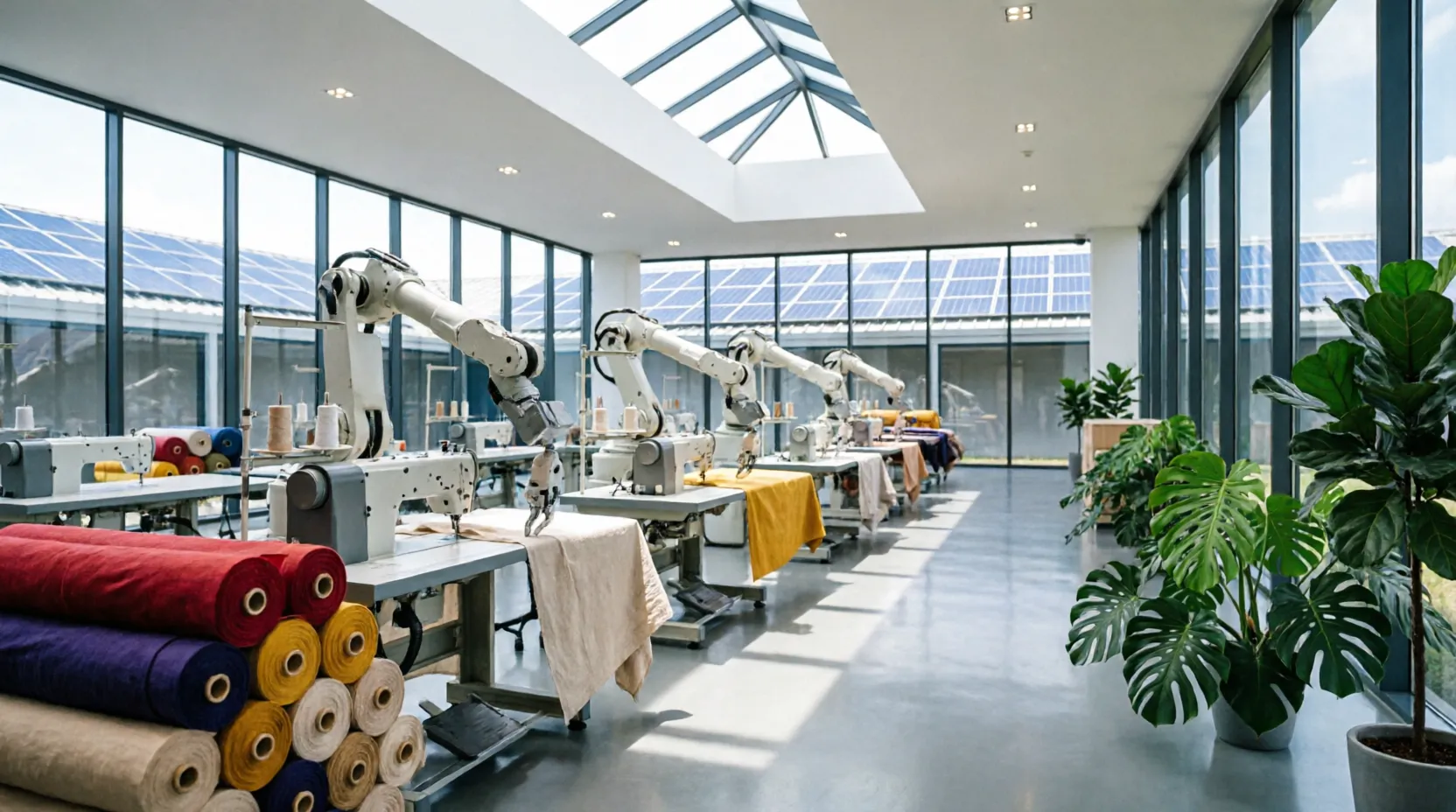
Indian textile firm RSWM and Spain-based Noize Design Studio have formed a 74:26 joint venture, LNJ NDS9 Global, to establish an Industry 5.0 green garment manufacturing facility in India. Supported by an initial investment of INR 1.86 billion, the facility will produce up to 1.5 million garments monthly.
Indian textile manufacturer RSWM has entered into a joint venture agreement with Spain-headquartered apparel design firm Noize Design Studio to set up an advanced garment production platform in India. Operating under the entity LNJ NDS9 Global, the enterprise is owned 74% by RSWM and 26% by Noize Design Studio. The venture entails an initial outlay of INR 1.86 billion to construct an automated manufacturing plant centered on sustainable production principles. Under the agreement, RSWM will manage operations, supply chain, procurement, and facility maintenance, while Noize Design Studio will oversee design, market analysis, product conceptualization, and international client relations.
The project will be executed across two distinct phases to establish a high-volume manufacturing footprint. Phase one focuses on denim apparel creation with a monthly output capacity of 0.5 million pieces. The subsequent expansion will add 1 million units per month across denim and activewear lines, elevating total facility output to 1.5 million garments monthly. The plant incorporates artificial intelligence, digital workflow systems, and automated machinery alongside rooftop solar energy installations to maintain low operational emissions.
This capital deployment represents a broader strategic shift within the Indian textile sector toward vertically integrated, technology-driven garment exporting. RSWM, the flagship arm of the LNJ Bhilwara Group, operates 12 industrial plants producing yarn, fabrics, and recycled fibers exported to more than 70 international markets. Noize Design Studio, based in Barcelona, provides design, trend forecasting, and merchandising services across Asia, Europe, and North America. The combined entity aims to capture expanding global demand for sustainably produced clothing by linking design capabilities directly with large-scale domestic manufacturing.
From an industry perspective, the establishment of automated, green-certified production hubs aligns with global supply chain diversification and stringent international ESG compliance standards. By transitioning from traditional yarn and fabric supply toward high-value finished apparel manufacturing, domestic producers can secure higher operating margins and expand exposure to western retail brands. Furthermore, integrating solar energy and digital supply network tools reduces exposure to volatile grid costs and carbon tariffs in major export destinations. For international buyers, localized design-to-delivery ecosystems in India present an alternative sourcing base that balances cost efficiency, technological integration, and rapid production turnaround times.
About GlobeNewsInfo
GlobeNewsInfo.com is a business news platform providing latest updates on global business developments, projects, and contract opportunities across diverse sectors and regions. The platform is designed to serve as a trusted source of information for companies, investors, and professionals worldwide.