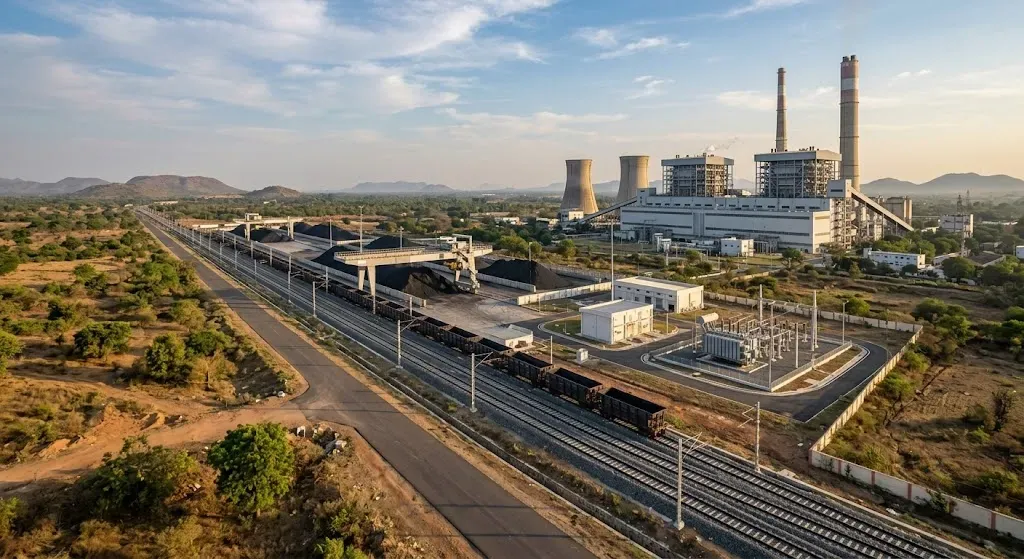
INDIA —Rail Vikas Nigam Limited has formally established a strategic partnership with Damodar Valley Corporation through a newly signed memorandum of understanding (MOU). The agreement targets the collaborative development, modernization, renovation, and construction of essential railway infrastructure. Specifically, the initiative focuses on bolstering freight connectivity to power generation facilities and captive coal extraction zones managed by the energy enterprise. Engineering scopes under this arrangement encompass advanced material handling installations, including rapid loading systems, coal handling plants, silos, and sophisticated retractable overhead electrification networks. Rail Vikas Nigam Limited is a prominent Indian public sector undertaking specializing in railway infrastructure project execution, capacity creation, and financial resource mobilization. Damodar Valley Corporation operates as a key statutory public enterprise under the central government, driving multi-purpose river valley development and power generation across eastern India. This cooperative framework is structured to unfold within the ordinary parameters of regular commercial operations, establishing a streamlined channel for executing critical industrial logistics projects.
The strategic alliance directly addresses long-standing logistical bottlenecks plaguing heavy industrial transport, particularly in the movement of thermal coal and power generation raw materials. By modernizing and expanding rail connectivity lines directly into critical fuel source zones, the partnership aims to optimize turnaround times for freight rakes and minimize transit inefficiencies. Upgrading industrial rail heads with mechanized loading infrastructure minimizes manual dependencies and accelerates loading cycles, translating into substantial operational efficiencies for state-backed energy generation units. Furthermore, the integration of advanced electrification networks ensures seamless interoperability across challenging industrial terrains, reducing downtime associated with locomotive transitions.
Heavy engineering contractors, railway component manufacturers, and logistics operators stand to gain significantly as project execution phases commence across designated industrial corridors. The policy implications highlight a concerted governmental push toward inter-agency synergy, leveraging public sector competencies to streamline core infrastructure supply chains. For energy producers and coal logistics providers, enhanced rail infrastructure guarantees more reliable fuel supply security, mitigating generation risks tied to transportation bottlenecks. Regional economies surrounding major industrial and mining hubs in eastern India are positioned to benefit from improved industrial throughput and modernized transport corridors.
Market participants and institutional investors are likely to view the memorandum as a steady operational development reinforcing medium-term revenue visibility for the participating entities. Because the cooperation falls within normal business operations, it underscores baseline demand for specialized railway construction and electrification services without introducing speculative volatility. Investors tracking public sector undertakings in the infrastructure and power sectors should monitor subsequent contract awards and capital allocation announcements arising from this framework. The strategic alignment reinforces market confidence in continuous infrastructure upgrades designed to support national industrial capacity and energy security goals.