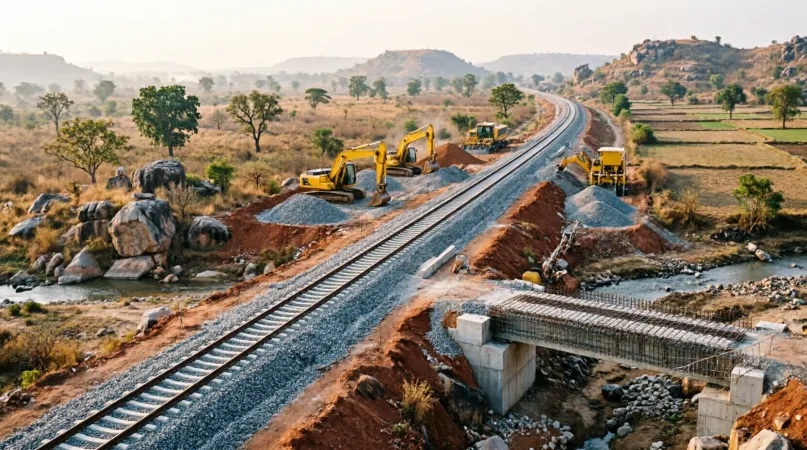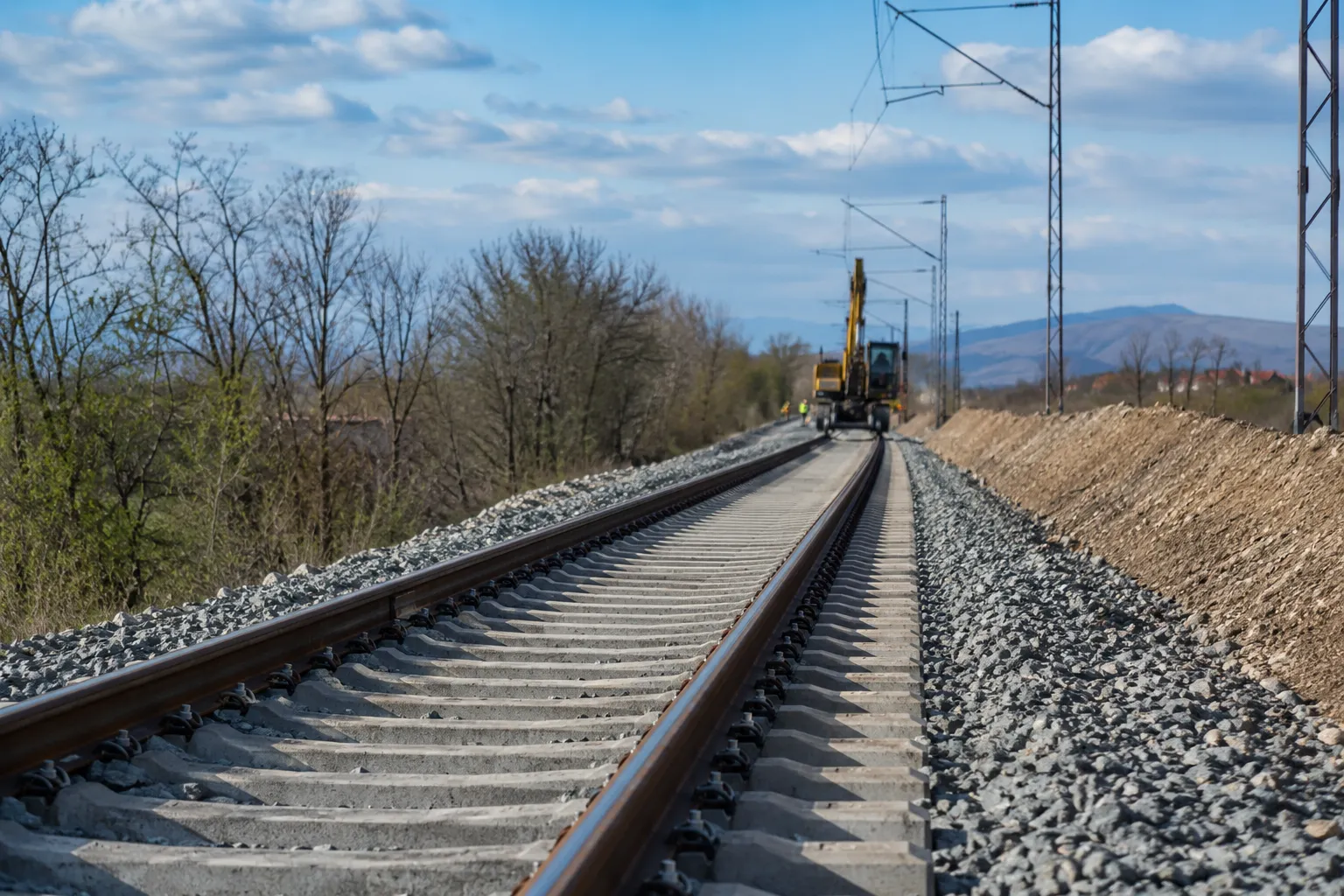
INDIA —State-run infrastructure firm Rail Vikas Nigam Limited has advanced construction on the 125-kilometer Rishikesh-Karnaprayag broad-gauge railway line in Uttarakhand, reaching 78 percent overall completion toward a targeted December 2029 deadline. The ₹370 billion infrastructure project, initially sanctioned in 2010, spans five mountainous districts including Dehradun, Tehri Garhwal, Pauri Garhwal, Rudraprayag, and Chamoli. Technical execution has achieved 97 percent of total tunnel excavation, completing 101 kilometers of main tunneling and 95 kilometers of escape tunneling across 28 separate underground structures. In addition, construction crews have completed 11 of the 19 major bridges alongside five kilometers of supporting access roads. Rail Vikas Nigam Limited is a public sector enterprise under the Ministry of Railways executing mega-railway engineering projects across India. The Ministry of Railways is the government body governing the national rail transport network.
Constructing heavy rail infrastructure in the Garhwal Himalayas represents a significant civil engineering effort designed to replace vulnerable mountain road routes with resilient transport channels. By placing the majority of the alignment underground, the project minimizes surface environmental disruption while mitigating landslide risks that routinely disrupt regional highway traffic. Establishing a direct rail corridor connecting Rishikesh to key Himalayan locations like Devprayag and Karnaprayag provides reliable transport access for local populations and millions of annual pilgrims traveling along the Char Dham religious circuit.
Beyond regional transit, the railway line carries strategic geopolitical implications by enhancing defense logistics toward India's northern border regions. Expanding rail transport into high-altitude zones strengthens national security infrastructure, allowing efficient movement of personnel and defense supplies. At the policy level, the project aligns with national initiatives to expand capital expenditure on transit networks, proving the operational feasibility of executing large-scale underground engineering in complex mountain topographies.
For investors, logistics providers, and hospitality businesses, the completed railway link will transform the economic landscape of Uttarakhand. Direct rail access from major urban hubs such as New Delhi will drive commercial hospitality investments and tourism services in alpine districts. Furthermore, the rail link provides bulk freight transport options, lowering freight costs for consumer goods, construction materials, and local agricultural exports while stimulating regional economic development.