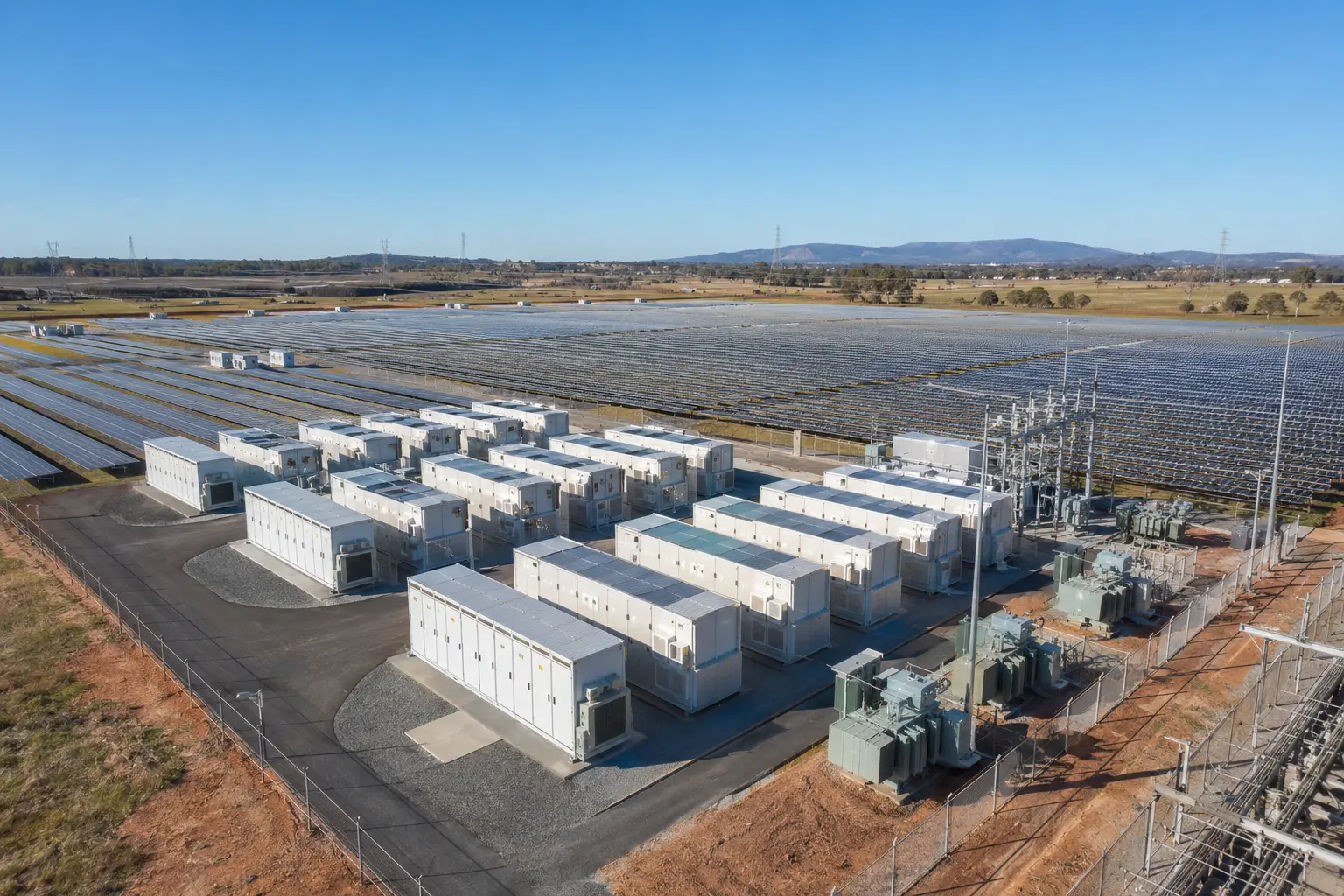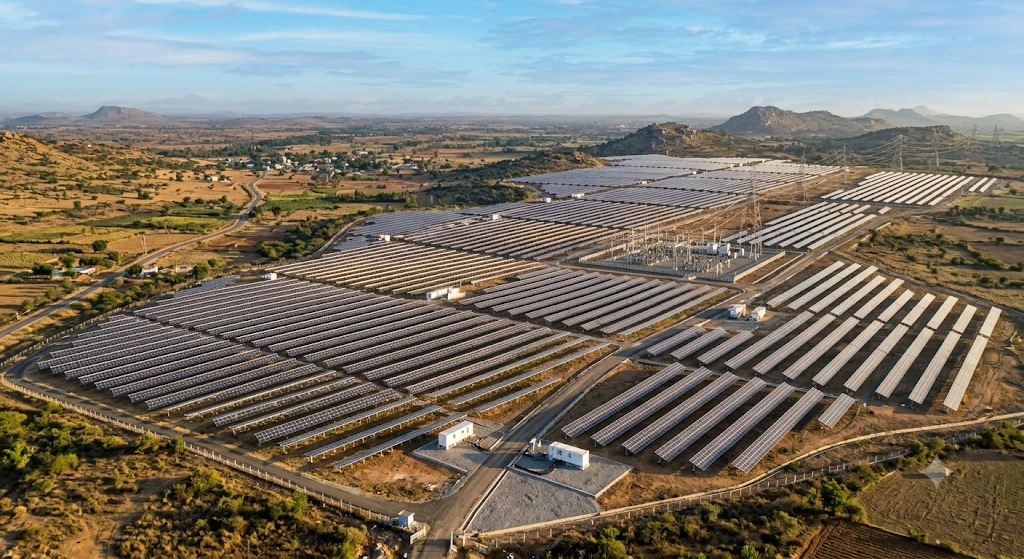
MALAYSIA —Samaiden Sdn Bhd, a fully owned operational unit of Samaiden Group Berhad, has entered into a cooperative framework with Parkland Renewable Energy Sdn Bhd to pursue large-scale renewable generation installations reaching an aggregate capacity ceiling of 1,000 megawatts alternating current across Peninsular Malaysia. Parkland Renewable Energy operates as a joint venture enterprise held 60% by Parkland Berhad alongside a 40% stake maintained by a subsidiary of Hong Kong-listed Xinyi Energy Holdings Limited. The cooperative initiative focuses on establishing green energy assets under the Corporate Renewable Energy Supply Scheme (CRESS), a regulatory framework designed to grant corporate entities direct access to renewable power via third-party grid utilization. Implementation pathways allow for installations to proceed either on a consolidated multi-site basis or through staggered developmental phases, contingent upon preliminary feasibility evaluations, statutory regulatory clearances, and the formal acquisition of commercial electricity offtakers.
Samaiden Group Berhad is an engineering, procurement, construction, and commissioning specialist incorporated in 2013, focusing primarily on solar photovoltaic systems, environmental consulting, and power plant maintenance operations. Parkland Berhad functions as an integrated property and township developer holding active projects across multiple states, alongside expanding interests into renewable energy infrastructure following utility-scale solar participation in Johor. Within the newly established arrangement, Samaiden assumes responsibility for technical engineering assessments, layout designs, and regulatory coordination, while acting as the exclusive engineering contractor pending definitive commercial execution. Concurrently, Parkland Renewable Energy directs efforts toward land procurement, site evaluation, and statutory development approvals.
The deployment of corporate green energy frameworks carries substantial strategic value for regional industrial markets striving to fulfill institutional decarbonization mandates. By utilizing third-party grid access models, commercial consumers can secure clean electricity supplies directly from dedicated generation facilities without relying entirely on standard utility tariffs. For engineering specialists and property developers alike, participation in large-scale power initiatives diversifies revenue streams away from traditional construction cycles into recurring energy income. Furthermore, the collaboration addresses mounting corporate demand for verifiable sustainable power sources, aligning domestic commercial infrastructure with broader national transition goals toward sustainable energy generation.
Realization of the proposed generation assets remains subject to rigorous commercial validation, detailed site due diligence, and final contract execution between the participating entities. The foundational memorandum establishes a 12-month cooperative window for framework structuring without imposing immediate financial commitments or mandatory capital outlays. Future progress depends heavily on securing viable corporate offtakers, establishing optimal revenue-sharing arrangements, and obtaining requisite approvals from relevant regulatory bodies governing national grid access and electricity supply frameworks.