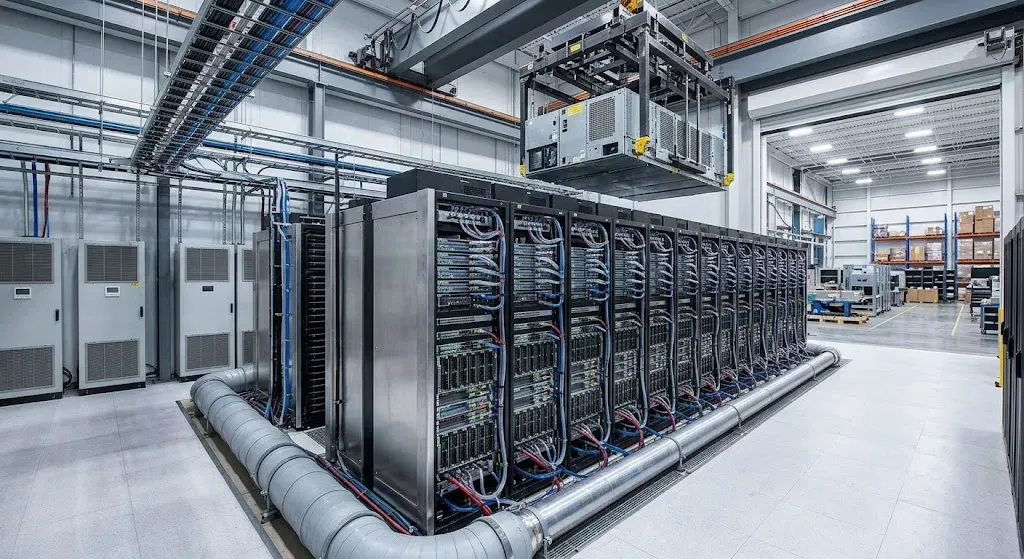
GERMANY —European enterprise technology deployment is seeing a significant shift toward digital sovereignty as Schwarz Group expands its cloud footprint in northern Germany. The retail conglomerate's digital arm plans to develop a 240-megawatt data center facility in the Dummerstorf industrial zone, targeting operational completion by 2033 with potential long-term capacity expansion up to one gigawatt by 2045. Schwarz Group, headquartered in Neckarsulm, operates major international retail chains Lidl and Kaufland alongside IT division Schwarz Digits, while the state government of Mecklenburg-Vorpommern acts as the strategic public partner driving sovereign administrative technology adoption.
This strategic move addresses growing public and private sector demand across the European Union for localized cloud architecture operating strictly under German and European data privacy frameworks. By establishing domestic hosting infrastructure, the initiative provides scalable alternatives to non-European hyperscalers. The deployment directly impacts sovereign public administration, enterprise cloud computing, and municipal energy planning, establishing high-capacity infrastructure suited for intensive artificial intelligence processing and enterprise workloads.
In parallel with the hardware buildout, the state government of Mecklenburg-Vorpommern will integrate localized cloud services across municipal administration. Initial deployments by late 2026 will transition administrative tasks—including building permit workflows and public school IT environments—onto secure, sovereign cloud platforms. This infrastructure model is positioned as a standardized blueprint for broader adoption across German state and federal institutions seeking compliant digital transition strategies.
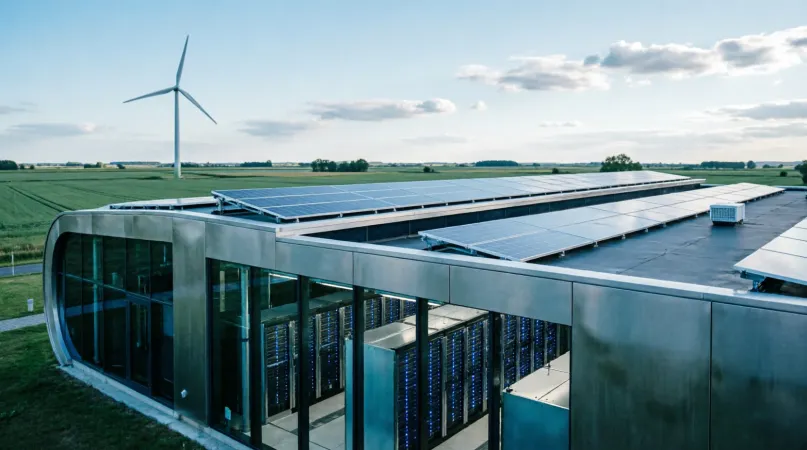
The investment carries substantial implications for energy networks and industrial sustainability. Located near extra-high-voltage power grids, the facility leverages northern Germany's high concentration of renewable onshore and offshore wind power. Furthermore, an agreement with local utility providers enables the capture and redirection of facility waste heat into municipal district heating networks, demonstrating how large-scale computing infrastructure can integrate into sustainable regional energy systems without compromising performance requirements.