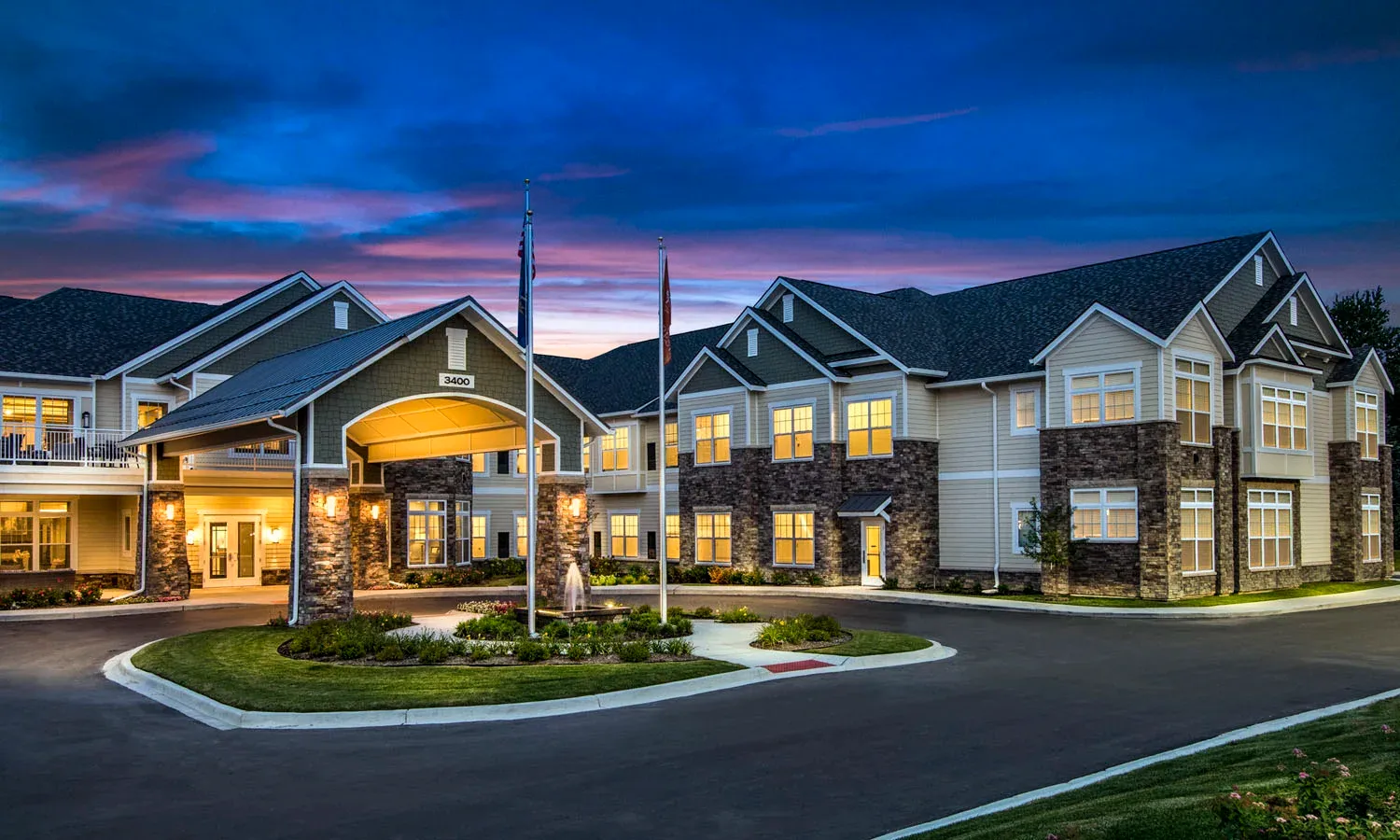
UNITED STATES OF AMERICA —A major shift in capital allocation is underway in the healthcare real estate sector as asset owners trade traditional net-lease healthcare facilities for operational senior living models. Through a series of transactions totaling $200 million, a major senior housing real estate investment trust has acquired four senior living communities in Minnesota comprising 453 units of independent living, assisted living, and memory care. Funding for the expansion was primarily driven by the $167 million divestment of a 13-property skilled nursing portfolio in Texas, supplemented by short-term credit line draws scheduled for prompt repayment via upcoming asset sales.
This strategic rotation underscores a broader movement within the healthcare REIT industry to increase exposure to senior housing operating property structures, which offer direct participation in property revenue and net operating income growth. The newly acquired assets carry an average age of nine years, delivering an anticipated first-year cap rate of roughly 7% and low-to-mid-teens unlevered internal rates of return. Operating operations for the Minnesota properties have been assumed by Lifespark, further scaling an existing partnership. Based in Westlake Village, California, LTC Properties is a publicly traded real estate investment trust specializing in healthcare and senior housing assets, maintaining a portfolio of approximately 180 properties across the United States.
For the healthcare real estate industry, this transformation reflects shifting operator economics and investor appetite for modern, higher-margin residential senior care assets over capital-intensive nursing care centers. The platform's senior housing operating segment now accounts for 38% of annualized net operating income, spanning 43 facilities across 12 operator partnerships. Expanding operational platforms in senior care allows real estate owners to capture upside potential from demographic trends and post-pandemic occupancy recovery while reducing exposure to government reimbursement risks tied to skilled nursing facilities.
Institutional investors and healthcare providers are closely monitoring this portfolio restructuring as real estate trusts build scalable growth engines. By reinvesting capital from lower-margin medical facilities into modern senior living spaces, real estate owners position themselves for enhanced long-term yield. Continued consolidation and capital redeployment in regional healthcare markets signal strong institutional demand for high-quality, mid-aged senior housing assets backed by established operational operators.