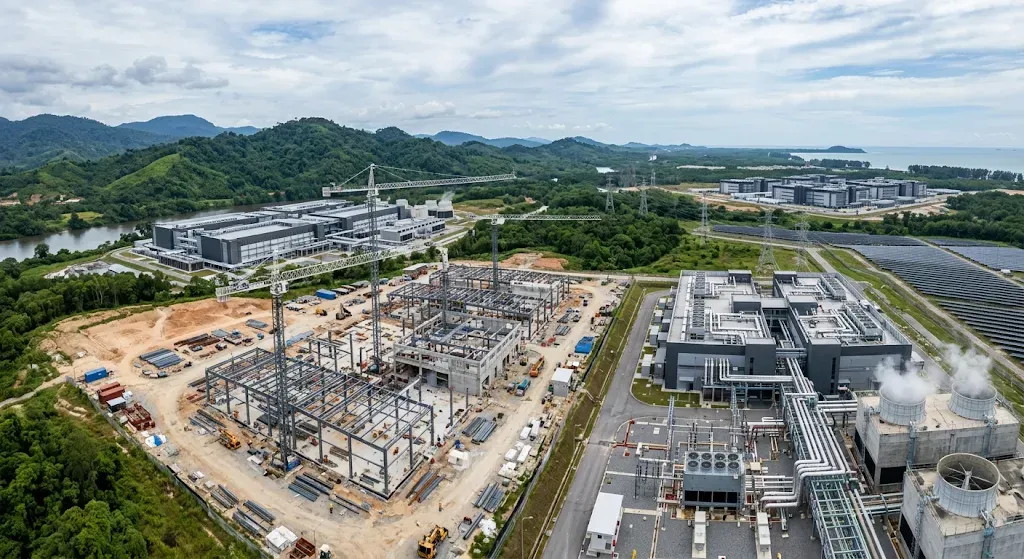
MALAYSIA —SoftBank Group Corp., Grab Holdings Limited, and Petroleum Sarawak Berhad have established a joint framework to inject USD 1.85 billion in initial seed capital toward constructing massive artificial intelligence computing facilities across Malaysia. The capital deployment allocates USD 1 billion for the Sarawak project and USD 850 million for Peninsular Malaysia. The collaborative blueprint outlines a multi-year trajectory scaling toward a long-term goal of five gigawatts or more in total compute capacity, designed to cater to burgeoning regional and global technological workloads.
Headquartered in Tokyo, SoftBank Group Corp. is an investment holding enterprise focusing on technology sectors including artificial intelligence, robotics, clean energy, and telecommunications. Based in Singapore, Grab Holdings Limited operates a prominent digital platform offering multi-sector services spanning deliveries, mobility, and digital financial solutions across several Southeast Asian nations. Petroleum Sarawak Berhad functions as Sarawak's state-owned energy company, managing upstream petroleum resources and contributing to regional industrial growth.
This capital commitment addresses a critical supply gap within Southeast Asia, where per capita artificial intelligence consumption lags significantly behind North American benchmarks. By establishing large-scale computing hubs, the participating entities intend to mitigate regional digital bottlenecks and provide domestic enterprises, governmental bodies, and international corporations with reliable high-performance data processing resources. The undertaking directly supports Malaysia's overarching national digitalization roadmaps and strategic goals to emerge as a primary regional technology cluster.
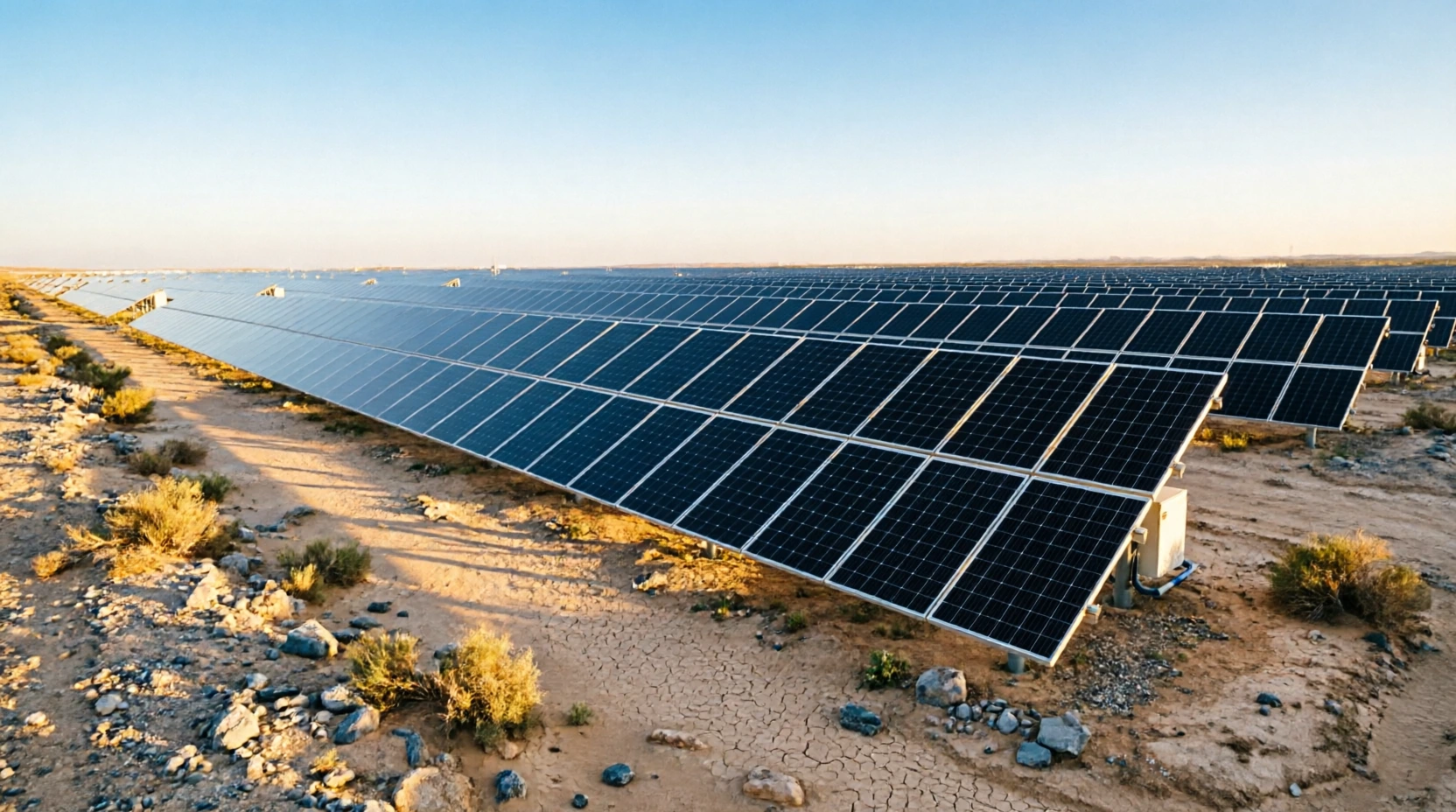
The development introduces stringent operational parameters, mandating that the facilities adhere to local renewable energy guidelines alongside high-efficiency architectural standards aimed at minimizing water consumption and grid dependency. Beyond immediate computing infrastructure development, the partnership plans to explore advanced manufacturing opportunities, creating high-value engineering and technical employment openings. These initiatives align closely with industrial modernization policies intended to upgrade national workforce capabilities and accelerate advanced technological adoption.
Corporate investors and financial markets face new strategic avenues as hyperscalers and third-party capital providers are invited to participate in subsequent funding rounds. The structured rollout relies on milestone-based capital deployment and long-term equity financing at the project level, mitigating upfront exposure while establishing foundational digital assets. For regional enterprises, proximity to domestic compute capacity reduces latency and operational friction, fostering localized algorithm development and deployment across commercial ecosystems.