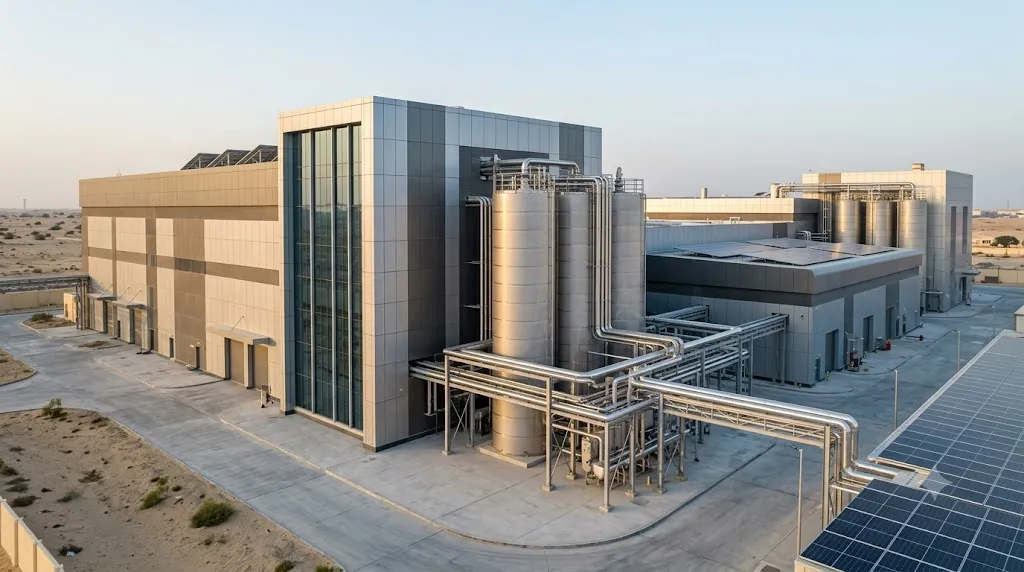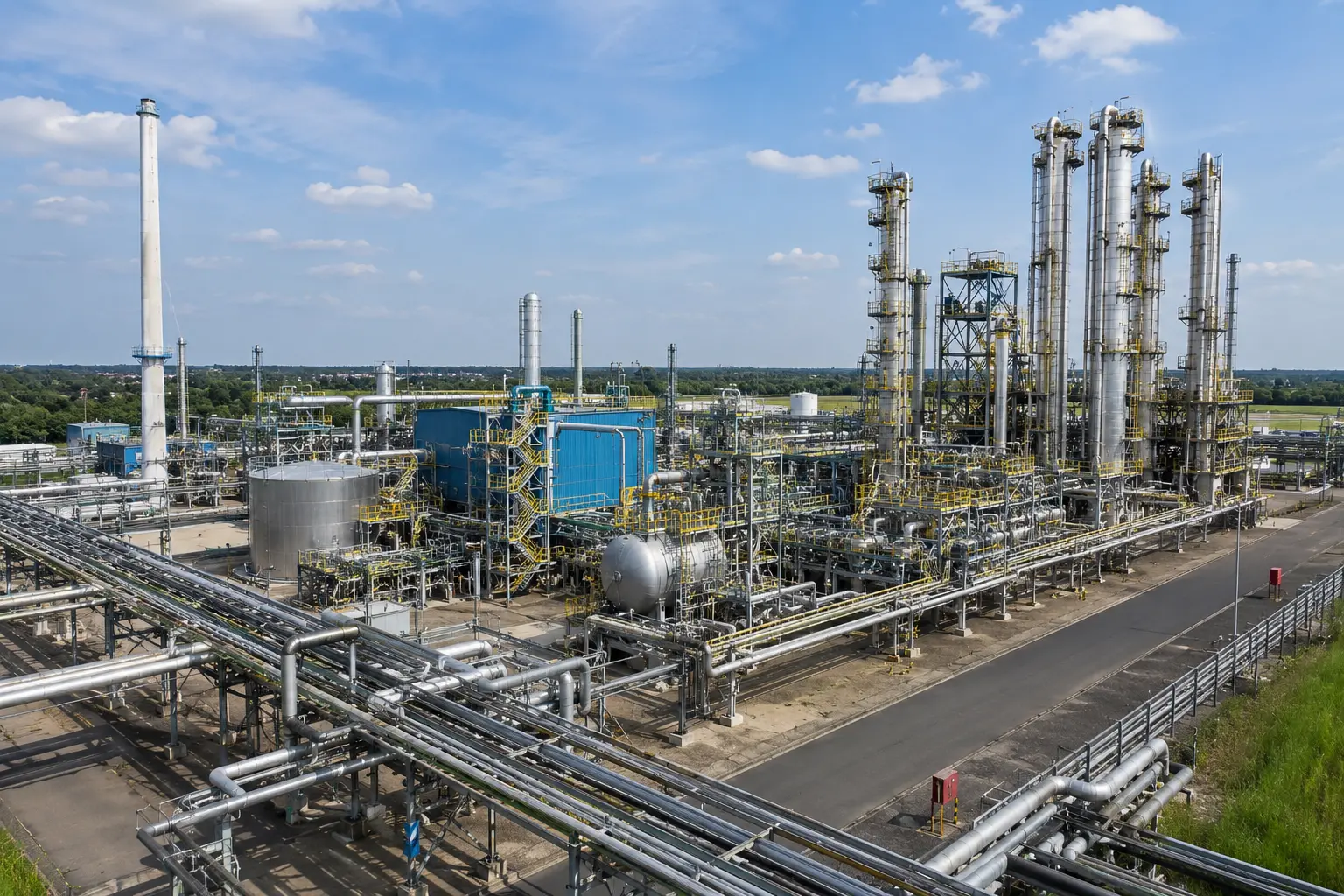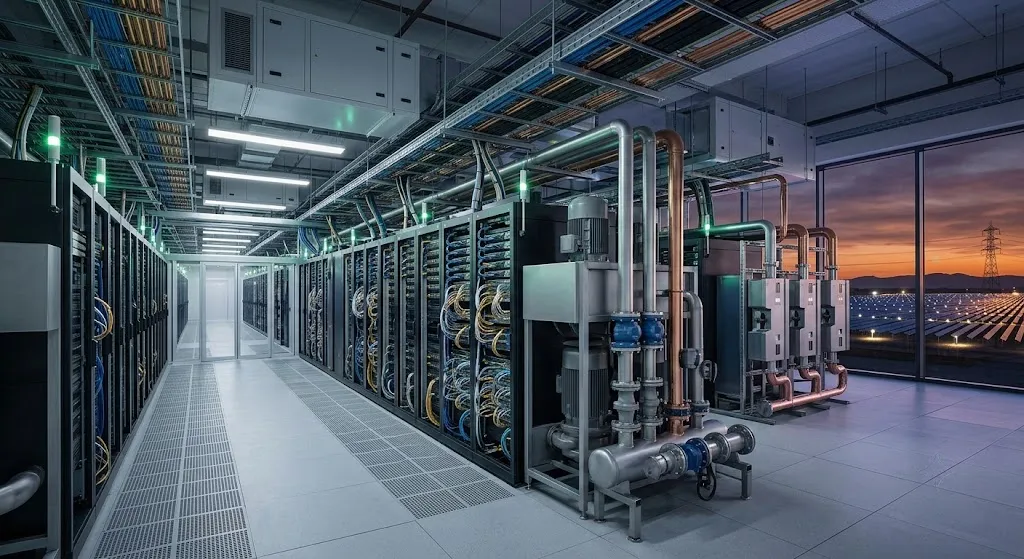
KOREA (SOUTH); UNITED STATES OF AMERICA —A collective investment of USD 1 billion from Samsung Electronics and five of its key financial and industrial affiliates has been committed to Helix Digital Infrastructure, a specialized firm established by global asset management firm KKR. Launched in mid-2026 under the leadership of former Amazon Web Services head Adam Selipsky, Helix is designed to build out and manage full-stack computing assets including hyperscale facilities, power distribution systems, transmission networks and fiber-optic backbones. Samsung Electronics is contributing USD 500 million, while Samsung C&T, Samsung SDS, Samsung SDI, Samsung Life Insurance, and Samsung Fire & Marine Insurance are supplying the remainder alongside co-investors including NVIDIA, Vistra, and the Kuwait Investment Authority (KIA).
Samsung Group is a multinational conglomerate headquartered in South Korea, spanning advanced electronics, heavy construction, financial services, and information technology. Its primary semiconductor arm, Samsung Electronics, ranks among the world's largest manufacturers of memory chips and integrated technology components.
This capital injection highlights a major strategic pivot among major technology consortiums to tackle critical bottlenecks in digital transformation. Power supply availability and specialized thermal management have rapidly displaced basic hardware availability as the primary operational constraints in scaling artificial intelligence compute capacity. By directly taking a stake in foundational power generation and utility infrastructure, hardware leaders are working to secure guaranteed access to future facilities while ensuring commercial outlets for their own component portfolios.
The joint venture fundamentally connects the industrial supply chain with institutional infrastructure finance. Power generation providers, engineering contractors, specialized component suppliers, and digital operators are forming integrated capital structures to accelerate facility development. This collaborative approach directly impacts the energy, heavy engineering, data infrastructure, and semiconductor sectors, particularly within regions experiencing rapid hyperscale expansion across North America and East Asia.
For enterprise operators and technology investors, the formation of multi-sector consortiums signals a change in how large-scale computing projects are capitalized and constructed. Companies capable of offering combined hardware, engineering, and energy solutions are positioned to capture greater value across the data ecosystem. Furthermore, as sovereign entities and hyperscalers compete for limited grid access, vertical integration across power and computing infrastructure is emerging as a critical requirement for long-term operational resilience.