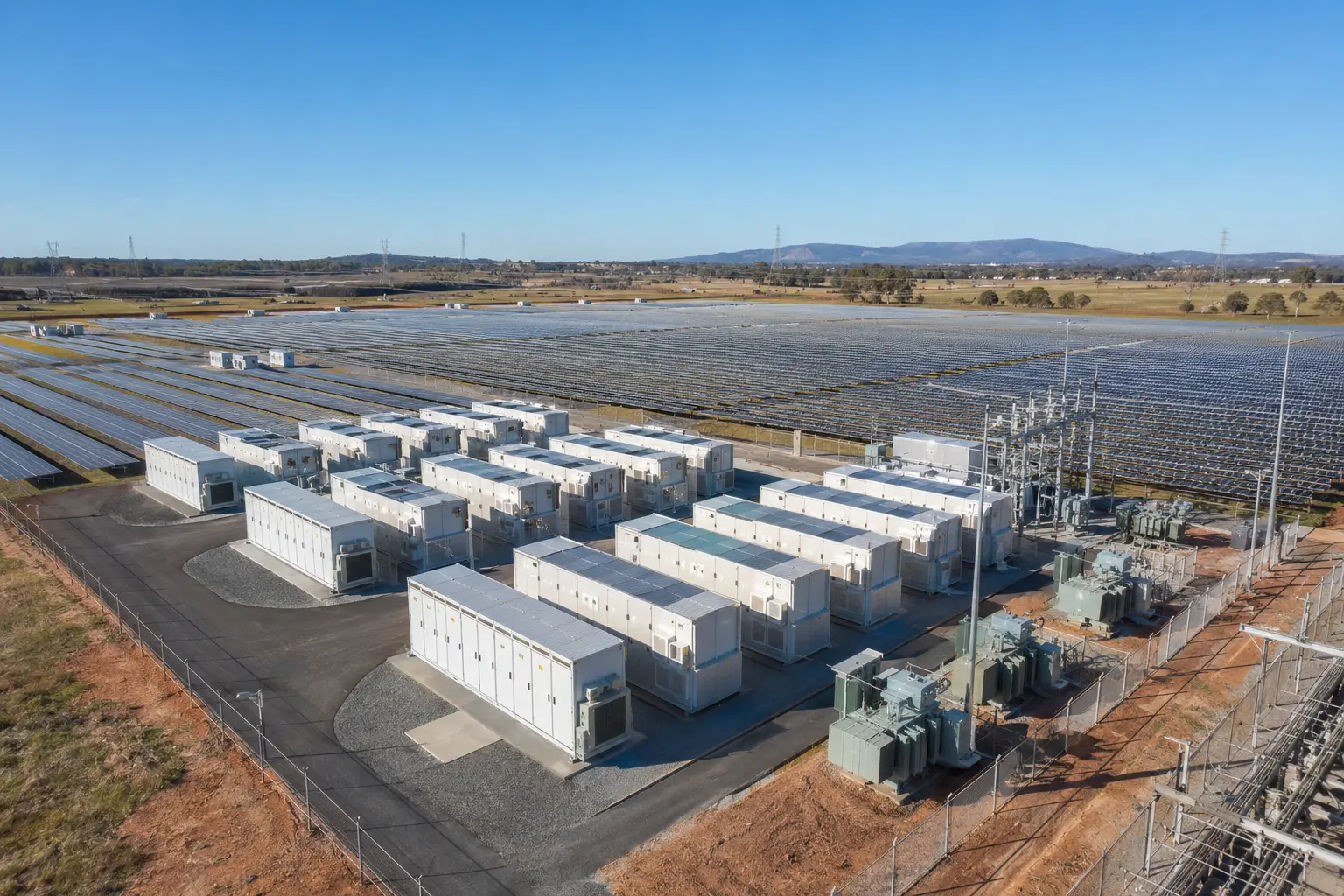
TUNISIA —Société Tunisienne de l'Electricité et du Gaz (STEG) has finalized a EUR 50 million capital injection to deploy a hybrid power facility featuring a 50 megawatt-alternating-current solar photovoltaic station paired with a 10 megawatt, 20 megawatt-hour battery storage system. Located in Beni Mhira within the Tataouine governorate, the project includes a 1.2 kilometer high-voltage transmission line to link the assets into the existing national grid infrastructure. Société Tunisienne de l'Electricité et du Gaz operates as Tunisia's principal state-owned utility responsible for the generation, transmission, and distribution of electricity and natural gas throughout the country.
Financial backing for the initiative is divided between a EUR 30 million sovereign-guaranteed loan from the European Bank for Reconstruction and Development (EBRD) and a EUR 20 million concessional loan provided by the Climate Investment Funds through its Clean Technology Fund under the Global Energy Storage Program. This blended finance structure lowers deployment costs for the national operator while validating commercial frameworks for large-scale energy infrastructure in emerging North African markets.
The integration of battery storage addresses growing technical bottlenecks associated with intermittent renewable generation. As additional photovoltaic capacity connects to the national network, operators face increased operational volatility that threatens grid reliability. Short-duration battery systems provide essential frequency regulation, load-shifting capabilities, and rapid-response power dispatch, enabling the national grid to absorb higher volumes of green energy without compromising stability.
This deployment establishes a regulatory and operational precedent for future renewable energy integration across North Africa. For commercial lenders, equipment manufacturers, and engineering firms, the project signals expanding opportunities in hybrid renewable infrastructure. Additionally, the initiative advances regional decarbonization mandates by reducing reliance on imported fossil fuels while building internal technical expertise for managing large-scale storage fleets.