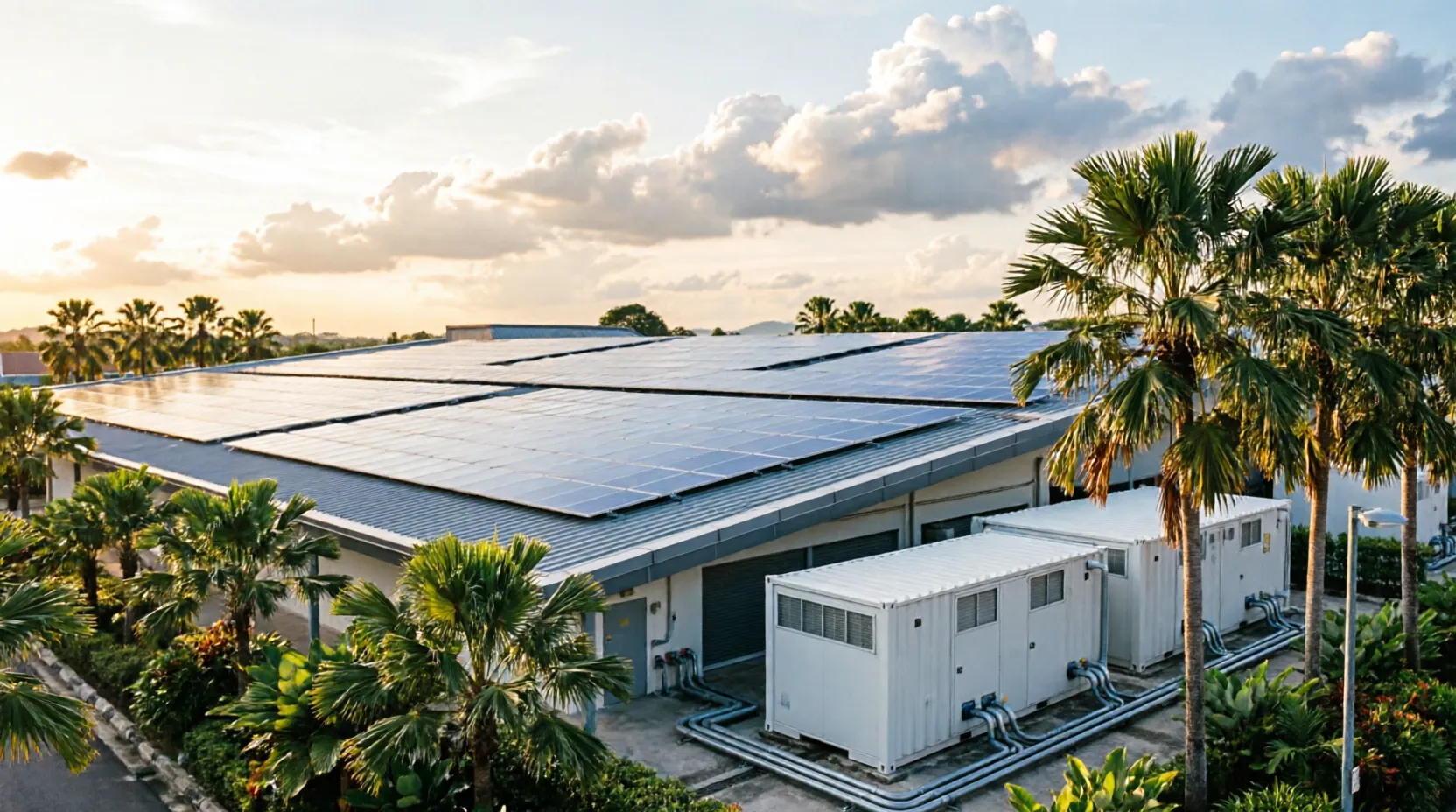
CHINA —Gigasun has entered into a 20-year electricity purchase agreement with a logistics enterprise to build and operate a rooftop photovoltaic installation with an expected capacity of roughly 6.8 megawatts in China's Guangdong Province. Project execution is scheduled to begin in the fourth quarter of 2026, requiring an estimated capital outlay of 26.4 million SEK. Electricity sales from the asset are projected to generate about 3.4 million SEK annually, representing roughly 68 million SEK in cumulative revenue over the contract duration, while cutting carbon dioxide emissions by nearly 3,300 metric tons per year.
Gigasun AB is a Sweden-headquartered renewable energy company that finances, builds, owns, and manages commercial rooftop solar installations across China through local operating subsidiaries. Its model eliminates upfront installation costs for host facilities in exchange for long-term power offtake agreements, targeting an eventual medium-term portfolio of 1,000 megawatts. Operating entirely without government subsidies demonstrates that commercial and industrial solar generation in southern China can achieve bankability on merchant and corporate power economics alone. Lower debt and financing expenses are enabling operators to underwrite projects that previously faced tighter return thresholds, while normalizing solar irradiation conditions following a softer third quarter support revenue predictability.
The agreement connects distributed renewable power generation directly with the logistics sector, which operates expansive warehouse roofs and faces growing pressure to control electricity expenses and lower supply-chain emissions. Guangdong remains a major industrial and trade hub where high commercial power demand and substantial rooftop availability make on-site generation attractive. For corporate energy buyers and power providers alike, the structure reflects a broader shift away from state-backed tariff support toward bilateral power sales and decarbonization compliance.
For project developers and infrastructure investors, lower funding costs widen the pipeline of commercially viable distributed assets and raise the value added per megawatt deployed. At the same time, long-dated 20-year contracts expose sponsors to counterparty performance, local grid dispatch dynamics, and weather variability over multi-decade horizons. Logistics operators and industrial landlords weighing similar arrangements can lock in long-term electricity pricing and sustainability metrics without committing balance-sheet capital, making behind-the-meter solar a practical lever for managing operational costs and environmental targets.