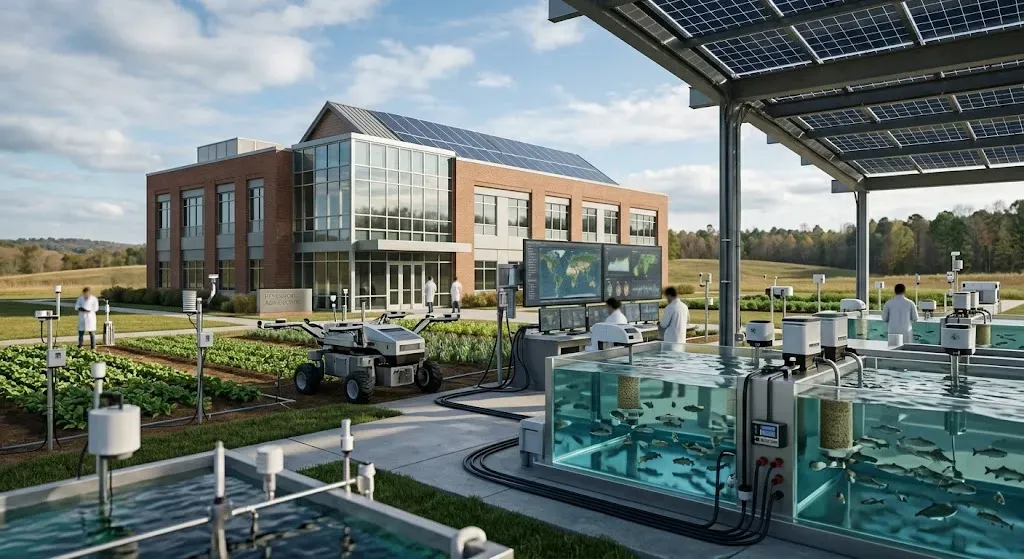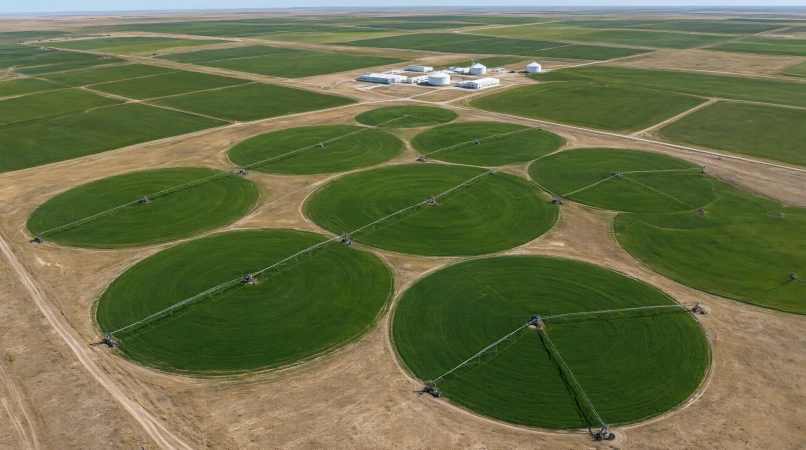
TURKEY; UZBEKISTAN —Tashkent and Ankara are advancing a coordinated policy push to upgrade Central Asian food production capabilities through shared technical expertise and capital deployment. Officials from Uzbekistan’s Ministry of Agriculture met with representatives from Türkiye’s Cooperation and Coordination Agency to establish priority intervention areas for a new project pipeline scheduled for 2027. The talks centered on modernizing traditional agrarian operations, expanding yield capabilities in crop production, and improving cross-border supply chains for fruits, vegetables, livestock, and commercial fisheries.
This cross-border collaboration reflects growing strategic emphasis on regional food security and modernized land management amid shifting climate conditions and supply constraints. Türkiye’s official development hand, the Turkish Cooperation and Coordination Agency (TIKA), delivers technical assistance, infrastructure support, and institutional capacity-building across developing markets, with extensive operational history in agricultural and socioeconomic development. By pairing Turkish technological practices with Uzbek agricultural resources, the initiative aims to boost national self-sufficiency while creating stable trade pathways for high-value agricultural commodities.
The policy alignment will directly impact agribusiness operators, technology vendors, and farming cooperatives across both nations. Enhancing scientific and technological inputs within local farming ecosystems creates commercial entry points for irrigation management systems, advanced seed technologies, specialized livestock breeding protocols, and automated processing equipment. Regional logistics networks stand to gain from standardized quality controls and enhanced yield stability, facilitating higher throughput for cross-border food trade.
For corporate entities and agribusiness investors, the focus on technical integration signals long-term policy support for private-sector participation in Central Asia's agricultural value chains. Institutional backing for crop optimization and cold-chain infrastructure reduces investment risks in secondary processing and distribution networks. As formal project parameters are finalized ahead of the 2027 implementation cycle, commercial enterprises specializing in ag-tech integration, animal husbandry, and sustainable land management will find expanded opportunities to deploy solutions across the region.