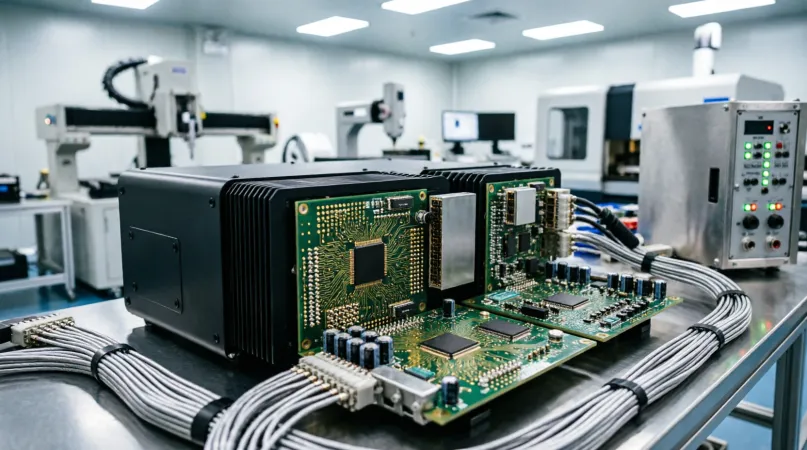
TAIWAN —Taiwanese technology manufacturers are preparing to direct an estimated $20 billion in new capital commitments toward the United States, targeting key infrastructure and advanced manufacturing capabilities. This influx of capital complements previous enterprise commitments, including a major $265 billion multi-phase manufacturing footprint planned by Taiwan Semiconductor Manufacturing Company in Arizona. The Ministry of Economic Affairs of Taiwan serves as the primary government body responsible for shaping the island’s economic policies, supporting industrial development, and managing foreign trade relations.
Rising global implementation of artificial intelligence frameworks has heightened the demand for advanced microchips and high-performance hardware components. Concurrently, public initiatives in the United States, notably the CHIPS and Science Act, aim to reduce reliance on single-region supply nodes by encouraging local microchip fabrication. Taiwanese enterprises are increasingly deploying capital abroad to establish resilient manufacturing ecosystems, align with major technology clients, and mitigate risks associated with geopolitics and international supply chain disruptions.
This ongoing capital flow accelerates the expansion of North America's advanced electronics and microchip manufacturing ecosystem. The addition of specialized operations supports local workforce development, incentivizes ecosystem suppliers to build adjacent regional operations, and enhances domestic capacity for cutting-edge computing hardware. However, technology firms expanding globally face complex integration challenges, including high capital expenditure burdens, regulatory compliance across multiple jurisdictions, and intense competition for skilled engineering talent.
For market participants and institutional investors, the persistent movement of hardware manufacturing capacity into North America signals a broader structural shift in technology infrastructure capital expenditure. Companies operating within key support sectors—such as industrial real estate, specialized equipment manufacturing, utilities, and raw materials supply—are likely to see sustained demand. Organizations that position themselves to support global supply chain diversification will remain central to high-tech manufacturing development.