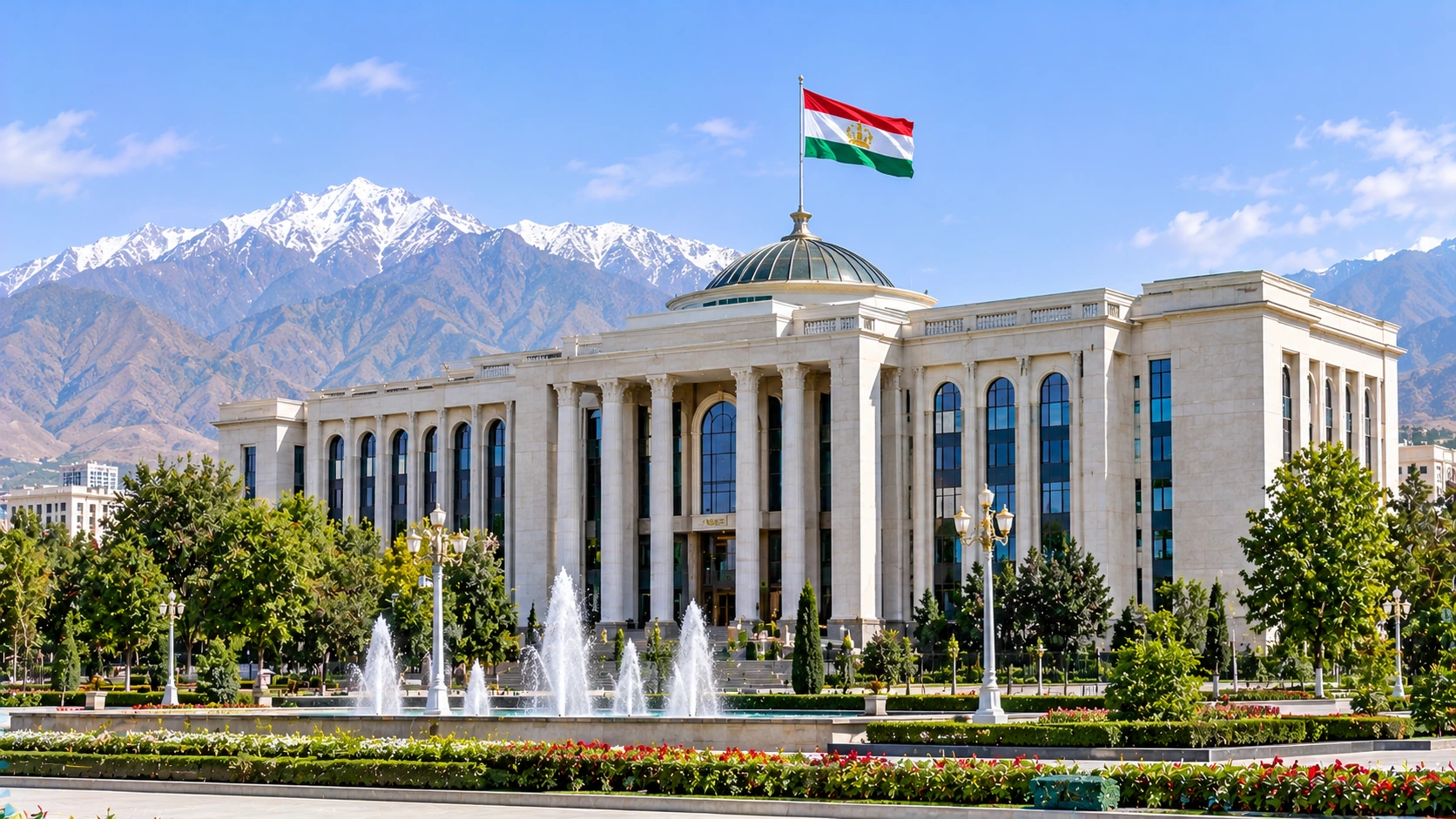
TAJIKISTAN —International capital flows into Central Asia's environmental infrastructure may accelerate following high-level bilateral talks between Tajikistan and the Asian Infrastructure Investment Bank (AIIB) on the sidelines of the 31st UN Climate Change Conference (COP31) in Baku. Bahodur Sheralizoda, Chairman of the Committee for Environmental Protection under the Government of Tajikistan, met with AIIB Vice President Ajay Bhushan Pandey to establish financing frameworks for joint ecological initiatives. The discussions centered on deploying the multilateral lender's financial instruments to fund large-scale environmental upgrades across the landlocked nation.
This diplomatic engagement highlights a strategic pivot by Dushanbe to bridge domestic infrastructure deficits using international climate finance rather than relying solely on constrained state budgets. By targeting solid waste management modernization and ecological park development, the government aims to convert its untapped natural assets into structured economic drivers. For multilateral development banks, backing bankable environmental projects in emerging Eurasian economies aligns directly with global climate adaptation mandates and regional sustainability targets.
The Committee for Environmental Protection serves as Tajikistan's primary executive body responsible for formulating state ecological policy, regulating natural resource management, and overseeing environmental compliance. Meanwhile, the Asian Infrastructure Investment Bank is a multilateral development bank headquartered in Beijing with over 100 members, dedicated to financing sustainable infrastructure and productive sectors across Asia to improve social and economic outcomes.
Policy alignment between Dushanbe and the AIIB is expected to reshape regulatory and procurement frameworks within Tajikistan's municipal and environmental sectors. Upgrading solid waste handling systems requires comprehensive institutional strengthening, modern sorting and recycling facilities, and updated regulatory standards for municipal utilities. Concurrently, prioritizing eco-tourism infrastructure will likely prompt public-private partnership models and streamlined land-use policies around protected natural zones to attract sustainable hospitality operators.
For private sector enterprises, engineering contractors, and institutional investors, these talks signal an emerging pipeline of sovereign-backed tenders and co-financing opportunities. International waste-management technology providers, environmental engineering firms, and sustainable tourism developers stand to benefit as AIIB capital de-risks early-stage project execution in Tajikistan. Market participants monitoring Central Asian infrastructure should anticipate formal project appraisals and procurement notices as both parties transition from bilateral dialogue to active program implementation.