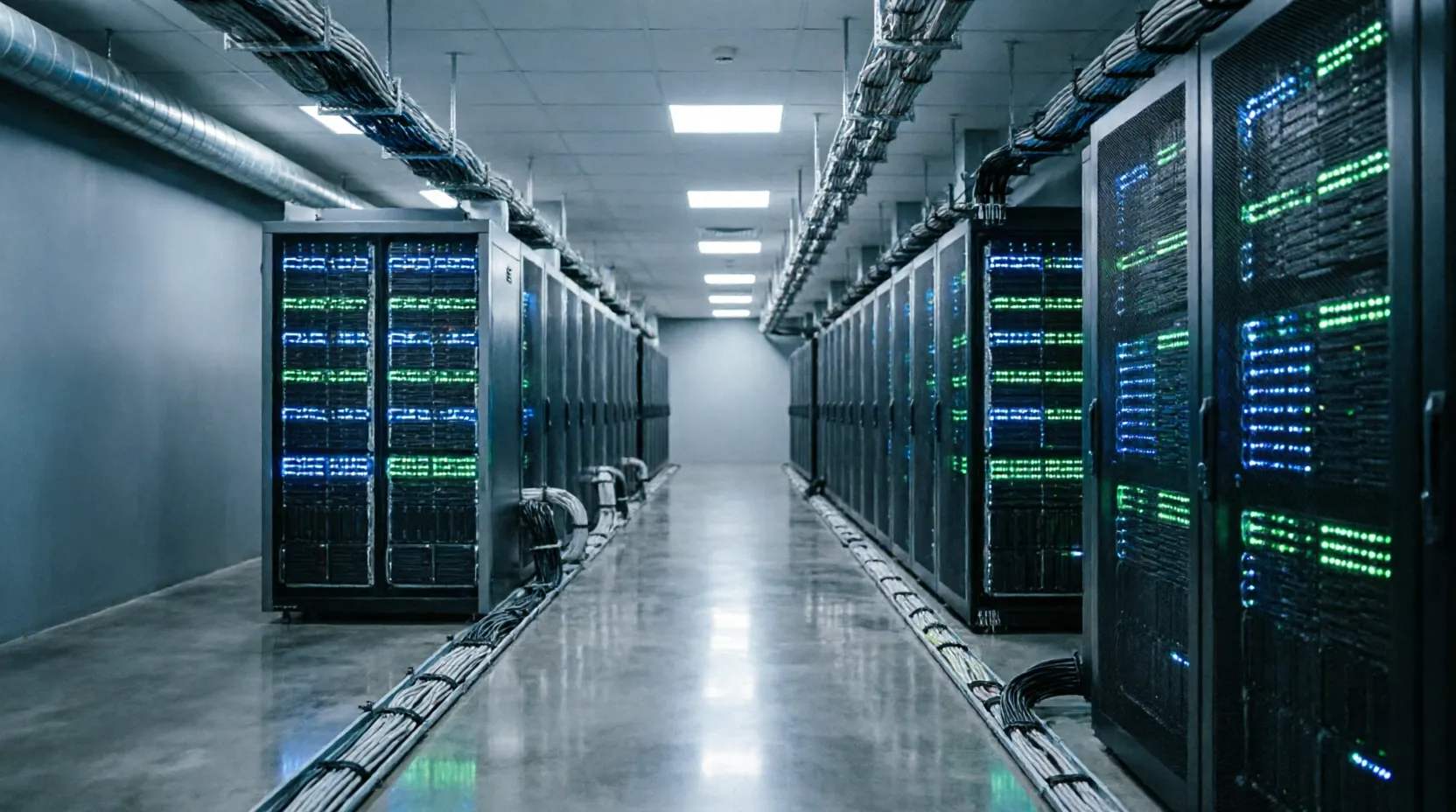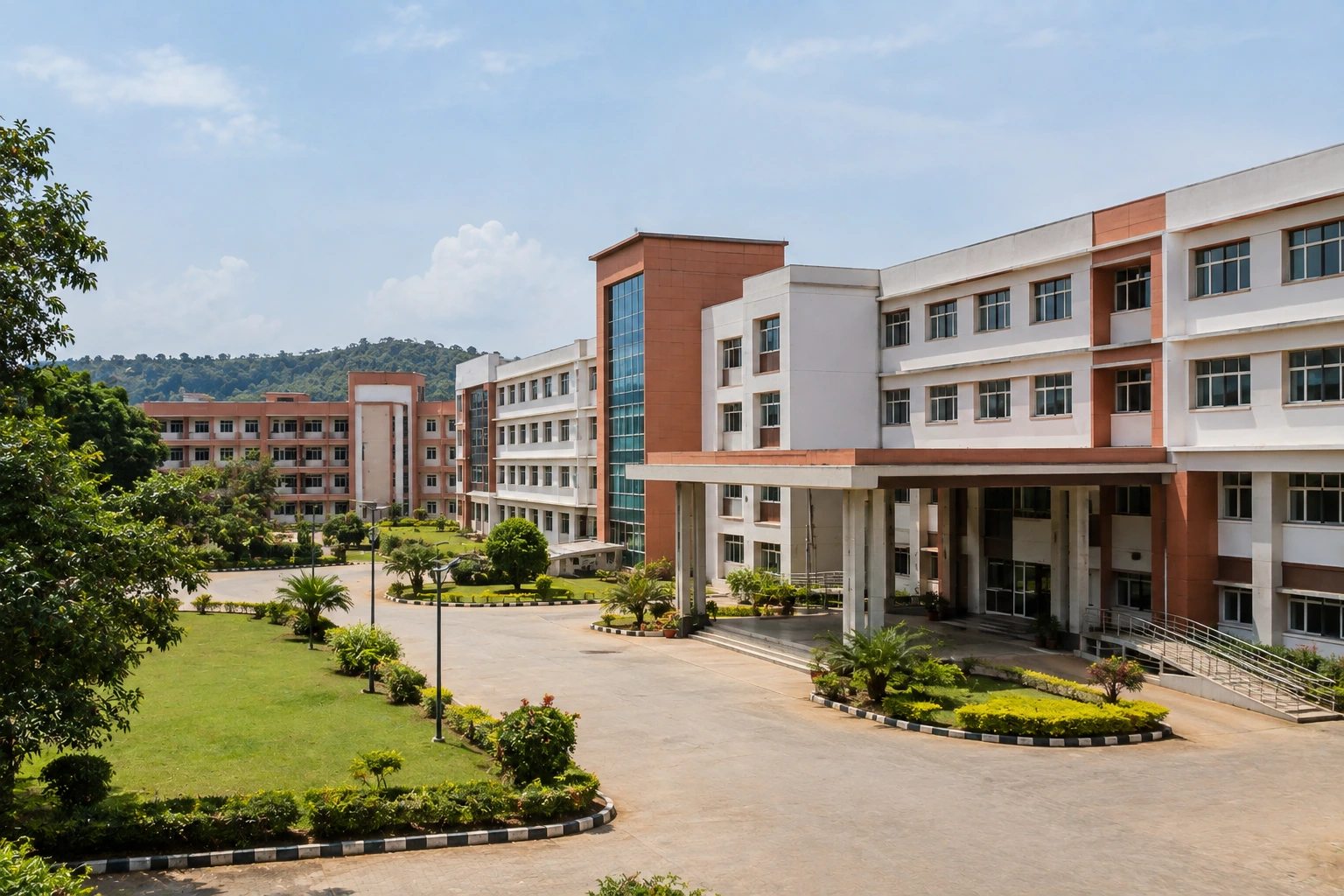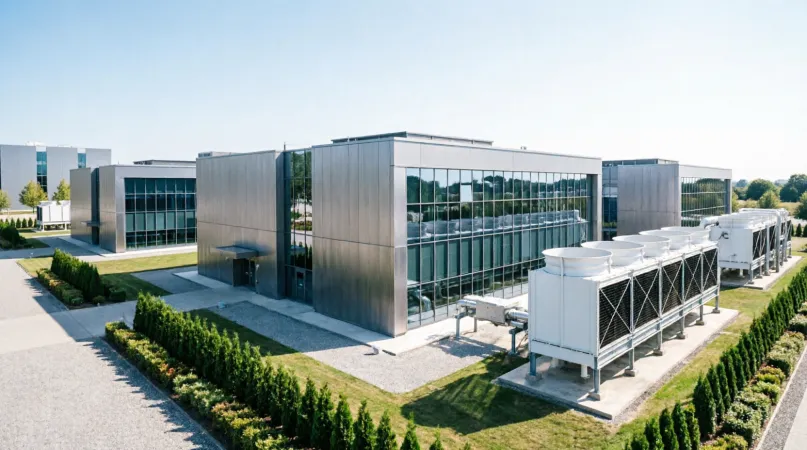
INDIA —TCS HyperVault, a subsidiary of IT services leader Tata Consultancy Services (TCS), plans to allocate INR 700 billion toward building a gigawatt-scale artificial intelligence data center infrastructure in Hyderabad, Telangana. The project has secured 264 acres within Bharat Future City to establish high-density compute facilities designed for artificial intelligence training, inference, and advanced computing applications. Initial operational phases are scheduled to become functional within 18 to 24 months, with total completion targeted by mid-2028.
This development addresses the critical shortage of high-performance computing infrastructure in South Asia as demand for generative AI and large language model workloads continues to accelerate globally. Equipped with advanced liquid cooling capabilities, next-generation GPU hardware, and power densities exceeding 170 kW per rack, the campus provides scalable digital infrastructure required by global cloud providers, enterprise software developers, and research institutions. TCS is a multinational information technology services, consulting, and business solutions organization headquartered in India, operating across multiple global markets and enterprise technology segments.
The investment strengthens Telangana's strategic initiative to positioning itself as a primary regional destination for digital infrastructure and advanced technology services. The state government has positioned the project as part of its long-term strategy to expand its digital economy to USD 1 trillion by 2034 through policy continuity and infrastructure development. The initiative is expected to generate approximately 7,000 direct and indirect employment opportunities across specialized technical, engineering, electrical, and facility management roles.
From an enterprise perspective, the development underscores growing capital deployment into physical hardware layers necessary to support frontier AI deployment. Organizations operating in hyper-scale cloud provision, chip design, and automated software deployment stand to gain localized server capacity with optimized latency for regional operations. The project highlights a broader trend among major technology service providers integrating infrastructure management directly into their broader artificial intelligence capabilities.