AUSTRALIA; GERMANY —Australian radiopharmaceutical company Telix Pharmaceuticals Limited has entered into a definitive agreement to acquire 100% of Germany-based ITM Isotope Technologies Munich SE in a deal valued at $1.65 billion upfront. The consideration comprises $1.25 billion in Telix equity shares, the assumption of $302 million in net debt, and $96 million covering seller transaction fees and management equity rollovers. The transaction agreement also includes up to $700 million in additional contingent milestone payments linked to regulatory approvals and commercial sales targets for ITM's lead therapeutic candidate, ITM-11. Upon completion, expected by the end of 2026 subject to regulatory and shareholder approvals, existing Telix shareholders will hold approximately 76.3% of the combined entity, while ITM shareholders will retain 23.7%.
Telix Pharmaceuticals Limited is an ASX- and Nasdaq-listed biopharmaceutical company headquartered in Melbourne, Australia, specializing in the development and commercialization of diagnostic and therapeutic radiopharmaceuticals. ITM Isotope Technologies Munich SE is a privately held biotechnology enterprise based in Munich, Germany, focused on manufacturing medical radioisotopes and developing targeted radiopharmaceutical therapies for oncology indications.
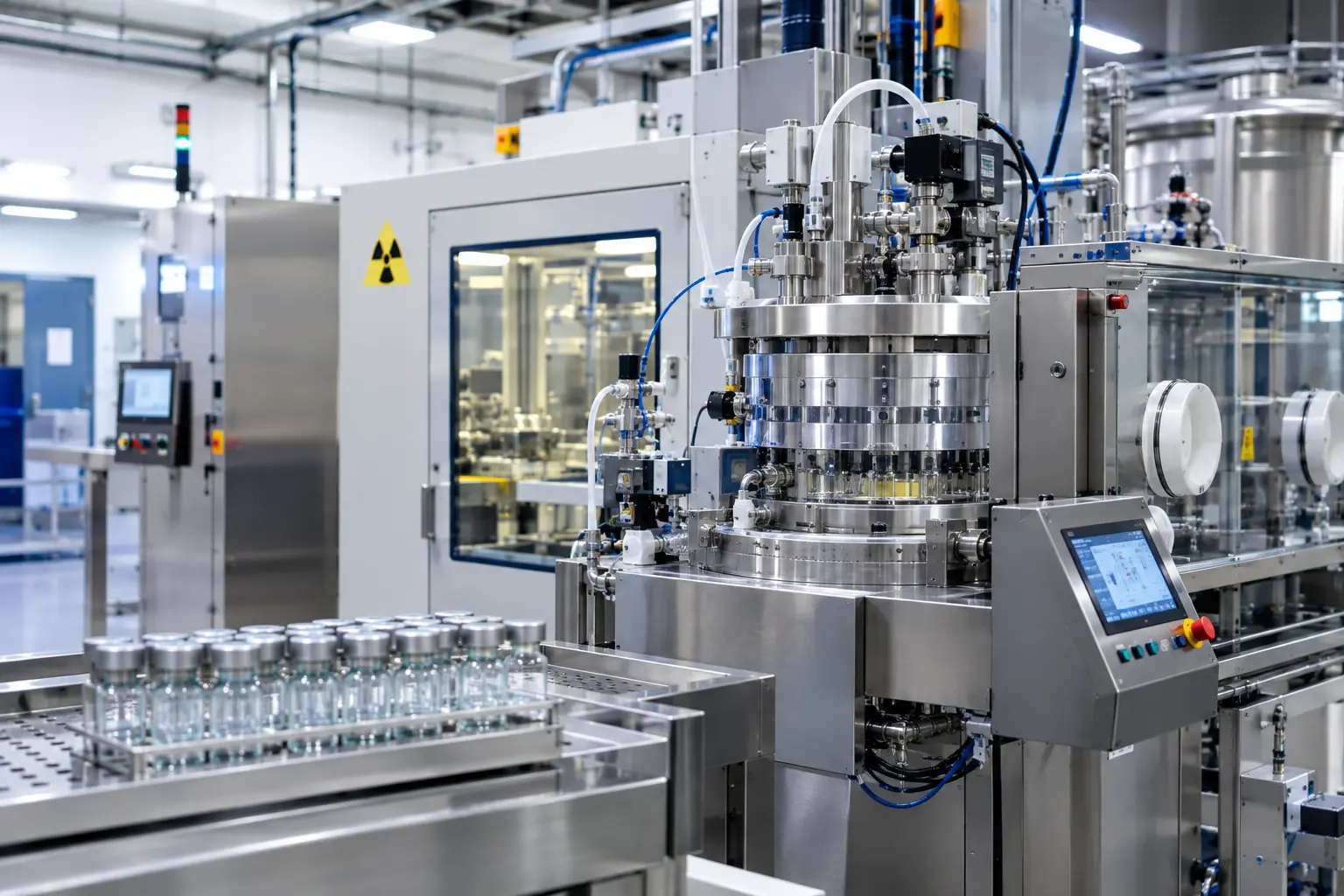
The combination creates a vertically integrated radiopharmaceutical producer with expanded manufacturing and distribution capabilities spanning more than 65 countries. ITM generated $273 million in revenue in 2025, driven by expanding global demand for lutetium-177 and radioisotopes used in nuclear medicine. By unifying isotope supply chains with Telix's commercial precision medicine platform and clinical pipeline, the acquisition addresses critical supply chain bottlenecks in radioisotope sourcing and enhances late-stage therapeutic candidate development, including ITM-11 for neuroendocrine tumors.
This transaction underscores ongoing consolidation across the nuclear medicine sector as pharmaceutical developers seek direct control over specialized isotope production infrastructure. For healthcare investors, biotechnology companies, and oncology specialists, securing proprietary manufacturing capacity is becoming an essential prerequisite for commercial success in targeted radioligand therapy. The deal positions the merged firm to capture growing market share in a global radiopharmaceutical sector projected to expand rapidly over the next decade.