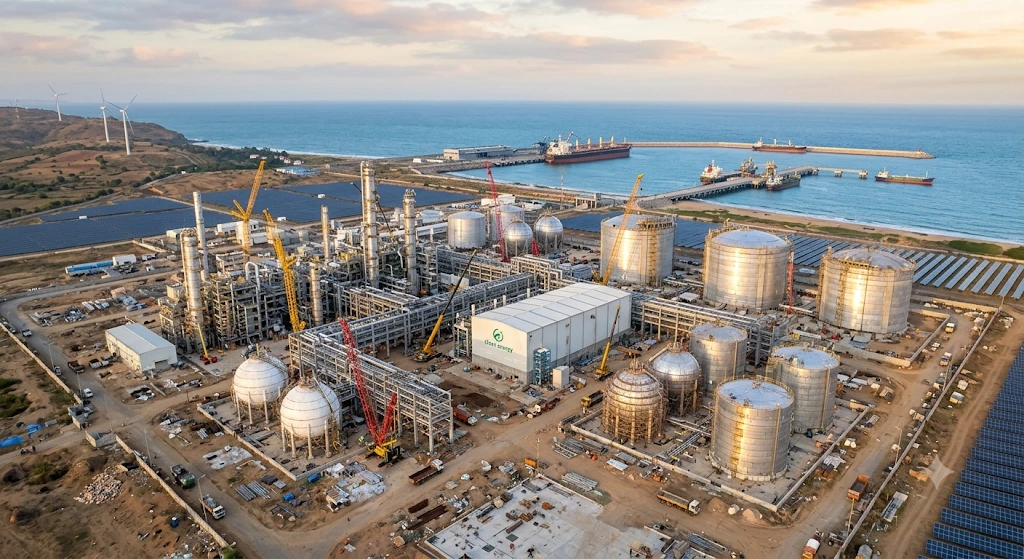
INDONESIA —State-owned enterprise Pupuk Indonesia has awarded a technology licensing contract to Denmark-based energy transition solutions provider Topsoe for a large-scale fertilizer infrastructure initiative in the eastern region of the country. Through its operational subsidiary Pupuk Kalimantan Timur, the Indonesian conglomerate will deploy Topsoe's proprietary SynCOR Ammonia technology, basic engineering design, and specialized equipment for a new industrial complex located in West Papua. The facility is designed to deliver a continuous ammonia output capacity of 2,500 metric tonnes per day, serving as the core feedstock required for regional urea fertilizer production.
Headquartered in Denmark, Topsoe operates as a prominent global provider of advanced industrial catalysts and processing technologies designed for conventional and clean fuel production, chemical manufacturing, and emissions control. The enterprise manages extensive operations worldwide, serving diverse industrial sectors focused on energy resiliency and sustainability targets. Its counterpart, Pupuk Indonesia, functions as a major state-owned holding enterprise overseeing multiple fertilizer manufacturing complexes across the archipelago, maintaining a leading production footprint within the regional agricultural sector.
This industrial collaboration addresses pressing regional logistics challenges by establishing localized production capabilities in eastern territories where fertilizer supply has historically required extensive domestic transport. By utilizing oxygen-fired autothermal reforming processes that achieve a low steam-to-carbon ratio, the selected technology significantly lowers natural gas feedstock requirements compared to conventional methods. This efficiency gain yields noticeable per-tonne operational cost reductions for large-scale fertilizer manufacturers while supporting broader national objectives regarding domestic food security and industrial decentralization.
The agreement carries significant operational implications for the agricultural chemicals sector, establishing a technological benchmark for energy-efficient nitrogenous fertilizer production in developing markets. For regional stakeholders, the initiative shifts reliance away from long-distance supply chains, lowering exposure to international feedstock price volatility. Furthermore, the partnership reflects a broader strategic pivot among major state-backed industrial players toward deploying advanced chemical processing technologies to enhance global competitiveness and expand high-value manufacturing portfolios.
Project stakeholders anticipate reaching a formal final investment decision by 2027, with full commercial commissioning and operational startup targeted for 2030. Continued progression relies on maintaining alignment between regional development schedules, regulatory approvals, and sustained capital expenditure allocations within the domestic petrochemical sector.