ESTONIA; FINLAND —Tornator has finalized a new EUR 200 million three-year secured green bank loan agreement aimed at reinforcing its liquidity position and backing ongoing forest capital deployment. The facility forms an essential component of the company’s broader autumn 2026 debt restructuring strategy, following a EUR 300 million secured green bond offering executed in September and the upcoming redemption of a EUR 350 million green bond maturing in mid-October. An initial tranche of EUR 100 million will be drawn down immediately to facilitate bond repayment and fund timberland operations through the remainder of the year. The remaining capacity stays accessible until late March 2027 to cover capital expenditure requirements for upcoming expansion projects. Arranged by Danske Bank, OP Corporate Bank, and SEB, the debt carries a Baa3 rating with a stable outlook from Moody’s Ratings.
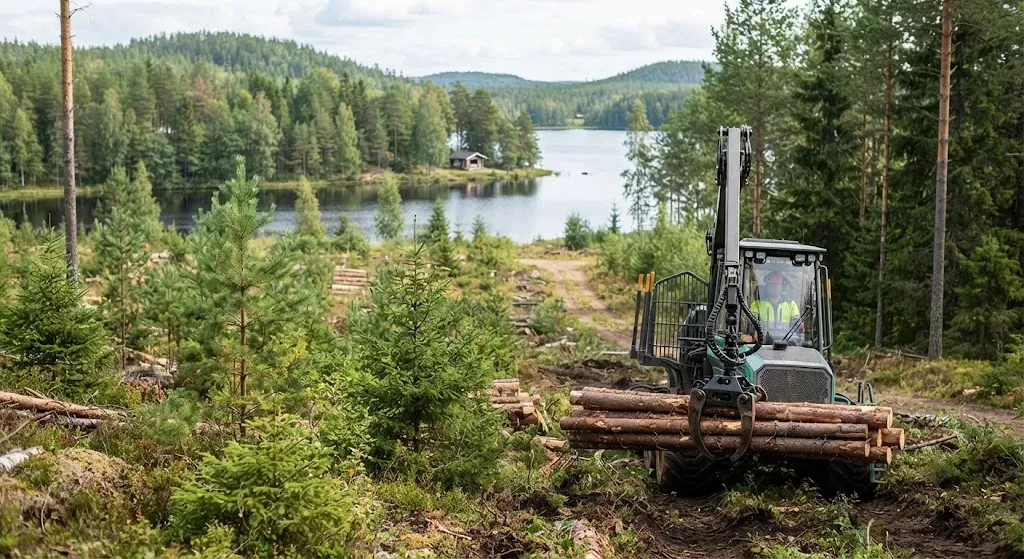
Tornator is a major European sustainable forestry manager holding timberland properties across Finland, Estonia, and Romania. The enterprise generated approximately EUR 232 million in revenue during 2025 while maintaining a balance sheet valuation of nearly EUR 4 billion. Primarily owned by Finnish institutional investors, the entity employs around 190 internal staff and supports an estimated 1,600 full-time equivalent roles across regional forestry ecosystems.
Securing long-term sustainability-linked banking facilities underlines growing corporate preference for green debt structures within primary resource industries. The transaction highlights robust capital markets appetite for sustainable real asset collateral, enabling commercial forestry managers to extend maturity profiles while maintaining liquidity buffers despite macroeconomic volatility. Strategic liquidity reserves ensure operational resilience for timber producers navigating fluctuations in global wood products demand and changing climate resilience mandates.
For institutional investors and forestry supply chain participants, the debt package demonstrates structural financing stability among major Nordic timberland operators. Securing flexible drawdowns through early 2027 enables continuous acquisition and development of forestry holdings across Northern and Eastern Europe. This strategic flexibility positions regional timber suppliers to satisfy rising industrial demand for sustainable wood fiber, carbon offset management, and biodiversity conservation ventures across European markets.