TUNISIA —Tunisia has secured two loan agreements totaling approximately $240 million from the African Development Bank (AfDB) to modernize state-managed utilities and chemical manufacturing facilities. The funding comprises a €111.5 million loan allocated to the national water utility, Société Nationale d’Exploitation et de Distribution des Eaux (SONEDE), alongside a $110 million facility granted to the state-owned Tunisian Chemical Group. Both financial instruments carry sovereign guarantees from the Tunisian government.
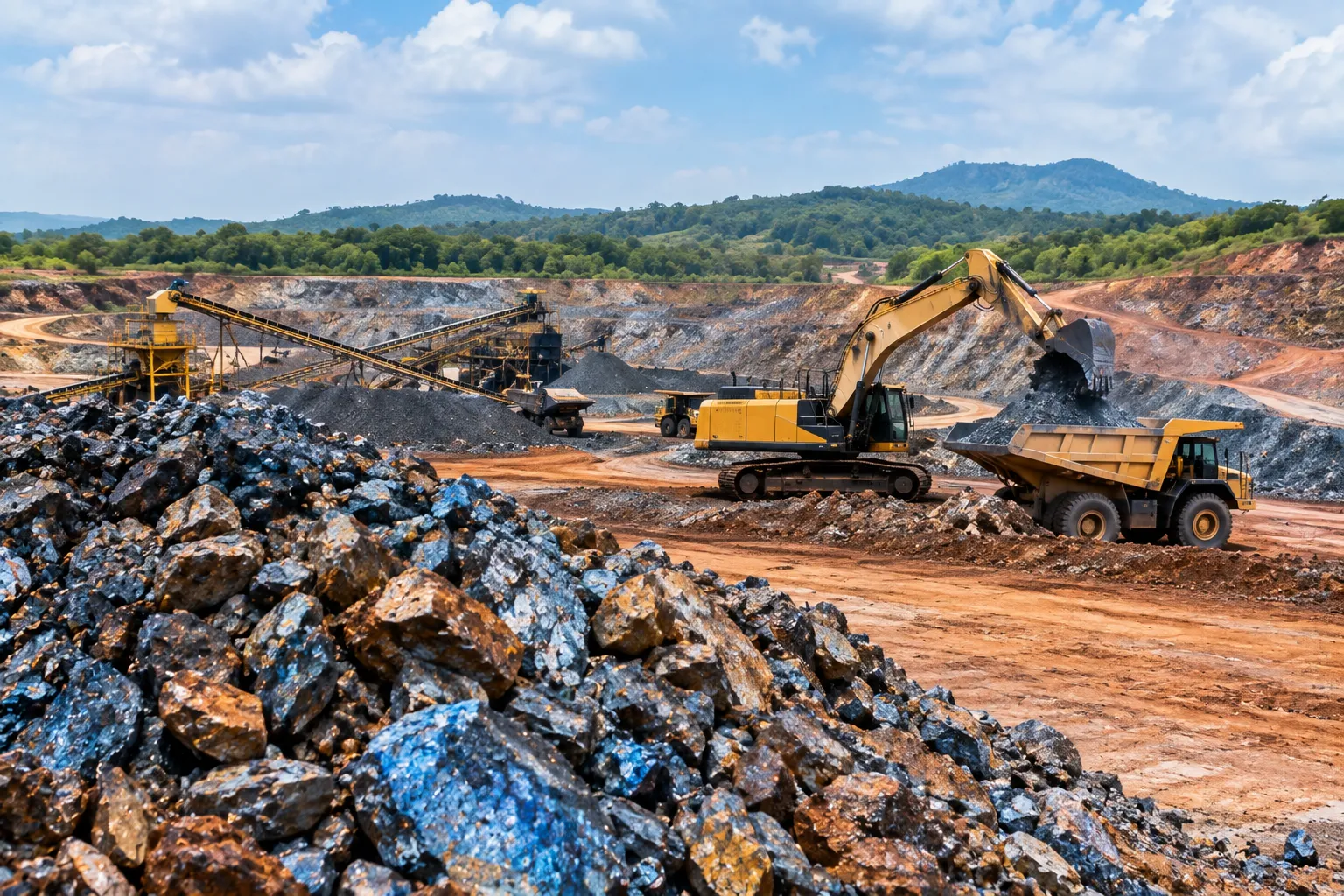
Société Nationale d’Exploitation et de Distribution des Eaux (SONEDE) operates as Tunisia's primary public water utility, tasked with managing drinking water supply across urban and rural regions. Tunisian Chemical Group is a state enterprise focused on processing phosphate rock into derivative products like fertilizers and phosphoric acid. The African Development Bank (AfDB) is a multilateral development finance institution committed to fueling economic development and social progress across African member nations.
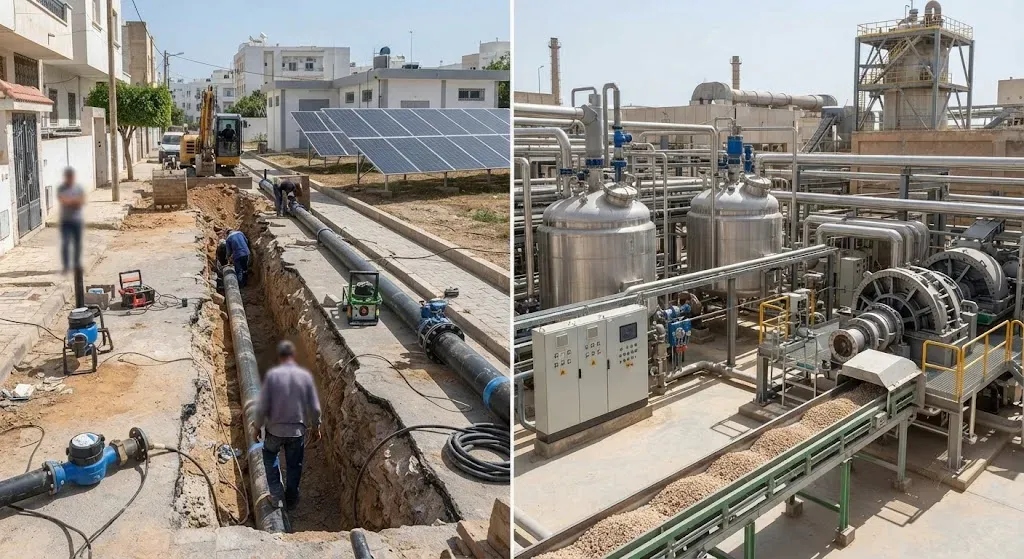
The utility initiative addresses urban water management in Greater Tunis, serving nearly 2.9 million residents. Capital deployment includes rehabilitating 25 km of primary transmission pipelines, 113 km of distribution networks, and three distribution facilities, alongside deploying advanced leak-detection apparatus. Energy optimization measures integrate 17 MW of solar generation capacity, pressure-breaking energy recovery turbines, and electromechanical overhauls. Furthermore, digital transformation efforts will introduce 120,000 smart meters for roughly 500,000 end-users, backed by automated remote management platforms.
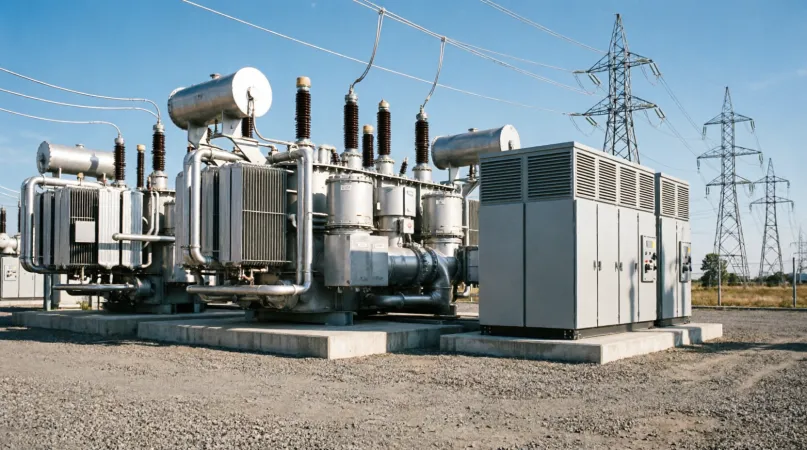
Concurrently, the chemical sector intervention targets facility upgrades across operations in Gabès, Skhira, and M’Dhilla. The project focuses on atmospheric emission control, critical asset rehabilitation, and operational efficiency improvements. A major circular energy component in Gabès involves steam recovery systems designed to generate 23 MW of captive power capacity.
These capital injections align directly with Tunisia's 2026-2030 Development Plan, prioritizing resource security, industrial decarbonization, and environmental remediation. For private sector investors and industrial operators, the projects signal expanding opportunities in digital utility systems, renewable integration technologies, and EPC services, while strengthening basic infrastructure reliability across North Africa.