UNITED KINGDOM; UNITED STATES OF AMERICA —The Nuclear Liabilities Fund (NLF) has selected Brookfield's Investment Solutions Group to direct an initial $1 billion investment mandate tailored toward multi-decade compounding. The fund's capital will be deployed globally across private equity, infrastructure, real estate, energy, and private credit strategies through fund commitments, direct assets, and co-investments.
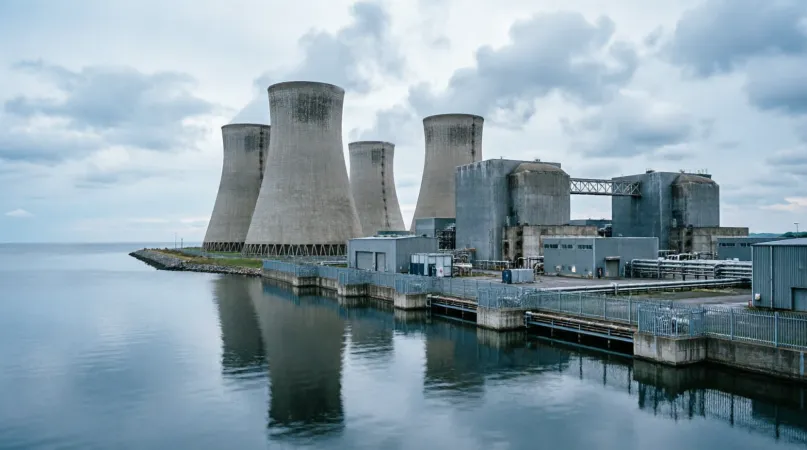
NLF, created in 1996, is an independent ring-fenced fund responsible for meeting the future liabilities of decommissioning eight nuclear power stations in the United Kingdom. With decommissioning timelines extending into the next century and roughly £3 billion in costs paid out to date, the asset pool requires long-term capital preservation and steady compounding to shield taxpayers from future financial liabilities.
By structuring a capital allocation framework where investment proceeds are routinely reinvested rather than distributed, the agreement establishes an alignment between asset strategy and long-term liabilities. This structure mitigates short-term market volatility and allows capital to remain deployed across full market cycles, directly supporting the financial sustainability of nuclear clean-up efforts in the UK.
Brookfield Asset Management Ltd. is a global alternative asset manager headquartered in New York, overseeing more than $1 trillion in assets under management across real assets, credit, and essential service businesses. Managing the partnership via its specialized institutional solutions branch, the manager provides custom multi-asset strategies targeting large-scale institutional liabilities.
This institutional partnership highlights a growing reliance among public and sector-specific reserve funds on private market managers to bridge long-duration funding gaps. Institutional allocations toward diversified real asset portfolios and private debt continue to serve as key mechanisms for sovereign and state-backed funds balancing extended, non-discretionary liabilities against macroeconomic fluctuations.