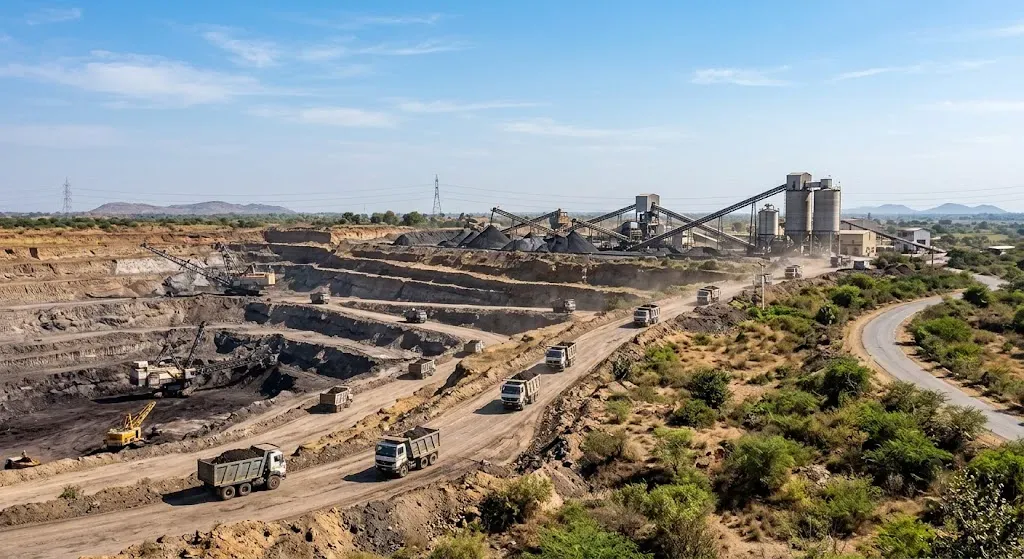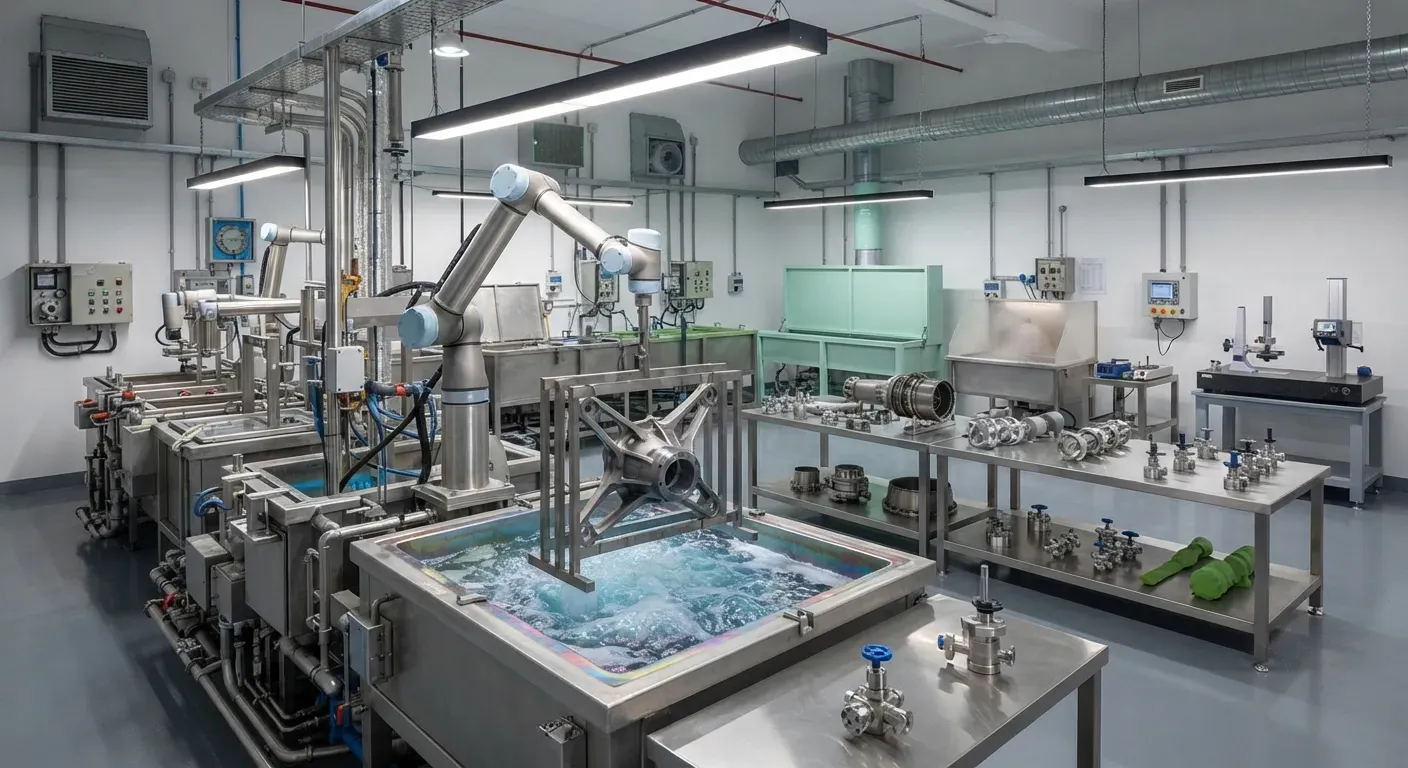
INDIA —Unimech Aerospace and Manufacturing has committed approximately ₹450 million to acquire a 76% equity stake in Visakhapatnam-based Aurai Technologies, marking its entry into surface engineering, electroplating, and specialized metal finishing. The transaction will be executed through Unimech's wholly owned subsidiary, Hobel Bellows, alongside Innomech Aerospace Toolings, with funding structured around roughly ₹162 million in equity from Hobel Bellows and the remainder financed through debt. Subject to closing conditions, Aurai Technologies will operate as a subsidiary of Hobel Bellows and a step-down subsidiary of Unimech, centered on a facility in Visakhapatnam.
Headquartered in Bengaluru, Unimech Aerospace and Manufacturing supplies precision components, assemblies, tooling, and complex manufacturing solutions to global original equipment manufacturers and Tier-1 suppliers. Its portfolio spans aerospace, defence, energy, semiconductor, and industrial sectors across North America, Europe, and Asia. Aurai Technologies focuses on surface treatment, electroplating, and specialized metal processing from its base in Andhra Pradesh.
Bringing post-machining surface treatment in-house addresses a common bottleneck in precision engineering, where specialized coatings, corrosion protection, and metal finishes often require external vendors. Controlling these downstream steps can shorten lead times, tighten quality oversight across critical assemblies, and capture value that otherwise leaves the group. Utilizing debt alongside subsidiary equity also allows the group to deploy capital into adjacent capabilities without relying solely on parent-level cash reserves.
Within the manufacturing ecosystem, specialized surface engineering supports aerospace structures, defence hardware, energy equipment, and industrial machinery that face harsh operating environments. Establishing the processing hub in Visakhapatnam aligns with coastal industrial activity in eastern India, where port access and defense-oriented manufacturing clusters support heavy engineering and metal treatment operations. For component makers and OEMs, integrated finishing capacity reduces handoff friction across multi-stage production.
For industrial operators and investors, the transaction illustrates how precision manufacturers are broadening their footprint along the value chain to defend margins and deepen customer integration. Execution risks remain tied to completing conditions precedent, commissioning or scaling specialized plating operations, managing debt servicing costs, and meeting strict qualification standards required by global industrial and aerospace customers.