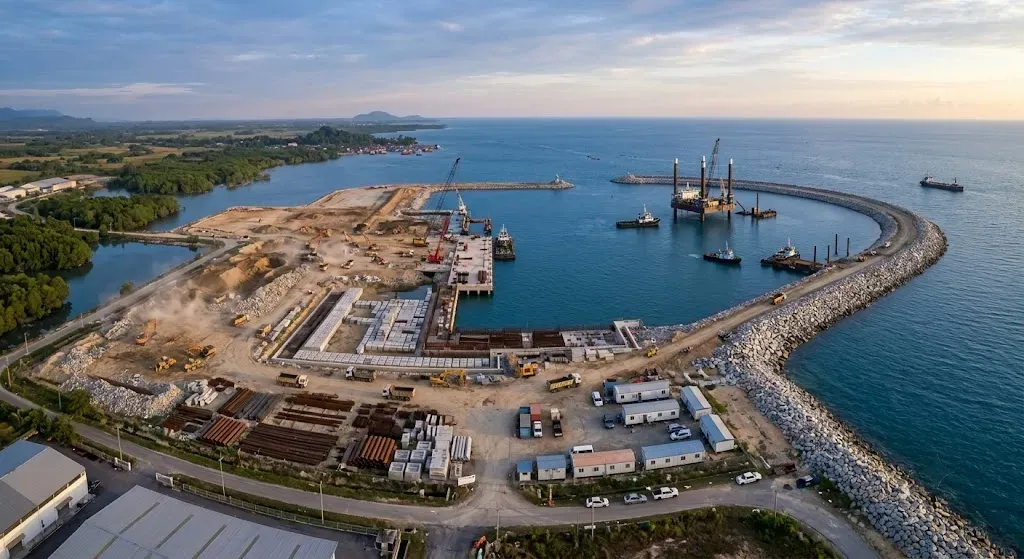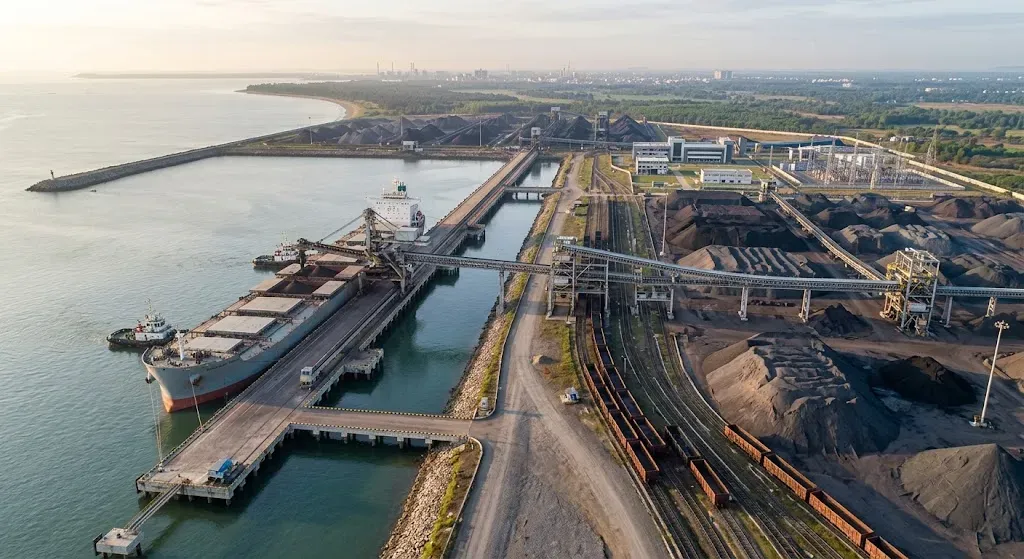
UNITED STATES OF AMERICA —The US Department of Transportation has allocated approximately USD 498 million to 35 port infrastructure projects spanning 19 states, covering coastal facilities, Great Lakes gateways, and inland river ports. The funding is being delivered through the Maritime Administration’s Port Infrastructure Development Program, with projects selected to improve cargo operations, infrastructure resilience, and the movement of goods through the national maritime network.
Individual awards address different operational constraints across the port system. In Alaska, the City of Whittier will receive USD 50.59 million to replace the DeLong Dock, add a seasonal floating dock and dock manager building, and acquire cranes, a tug, and a barge. Port Everglades in Florida has been allocated USD 30.75 million to strengthen its liquid bulk terminal against physical threats and severe weather, while widening the vessel slip to accommodate larger ships and protect fuel-handling operations.
Other grants target cargo efficiency and specialized facilities. The Red Wing Port Authority in Minnesota will use USD 10.16 million to rebuild its barge-loading equipment, conveyors, winch, and dust collection systems, while raising loading infrastructure above the Mississippi River floodplain. North Carolina State Ports Authority’s Morehead City facility will receive USD 11.25 million for a heavy-lift cargo deck, crane rail and on-dock rail extensions, alongside security and optical cargo-tracking technology. In Texas, Port Freeport will receive USD 9.41 million to replace an aging bulk rice loader and expand vessel berthing space.
Technology and local commercial infrastructure are also included. The Port of Corpus Christi Authority has been allocated USD 7.15 million for digital-twin technology, sensors, LiDAR, sonar, cameras, and transponders to improve monitoring across pipeline, rail, road, and waterway assets. Rockport Harbor in Maine will receive USD 698,750 to construct a fixed timber pier supporting seafood transfers between vessels and trucks. The wider programme includes additional projects not detailed in these examples.
The investment is intended to address infrastructure bottlenecks that can increase cargo handling times, shipping costs, and supply-chain disruption. Improvements to berth capacity, loading equipment, rail access, and operational monitoring may help ports accommodate larger vessels, move freight more efficiently, and maintain operations during flooding or severe weather. The grants also affect local economies through construction activity, port employment, and support for industries dependent on reliable maritime freight, including energy, agriculture, manufacturing, and seafood.
The Maritime Administration, an agency within the US Department of Transportation, administers federal maritime programmes, including port infrastructure grants. Its Port Infrastructure Development Program supports improvements at publicly and privately operated port facilities. For port authorities and freight operators, the awards provide public capital for long-lived assets that may strengthen operational capacity and resilience, while supporting the broader US objective of maintaining reliable domestic and international shipping connections.