UNITED STATES OF AMERICA —The United States Department of Energy (DOE) has introduced a USD 237 million financial initiative under the Grid Supply Chain Alternatives to Lead Energy Dominance (Grid SCALED) Program, designed to reinforce the domestic manufacturing base for critical electrical grid components. The DOE is a cabinet-level federal agency responsible for advancing national energy policy, nuclear security and technological innovation. Operating under a broader programme with a total authorization of USD 375 million, the allocation is divided into two primary funding streams: up to USD 50 million for the refurbishment and reuse of existing grid infrastructure, and up to USD 187 million to accelerate the integration of alternative, domestically sourced materials and subcomponents.
This development addresses a critical vulnerability in the national infrastructure, where heavy reliance on international suppliers has historically exposed the grid to geopolitical disruptions and supply chain bottlenecks. By incentivizing domestic production and material substitution, the initiative is projected to retain an estimated $50 million annually within the local economy while delivering approximately $125 million in yearly cost reductions for utility providers. These financial efficiencies are essential as electricity demand escalates across residential and commercial sectors.
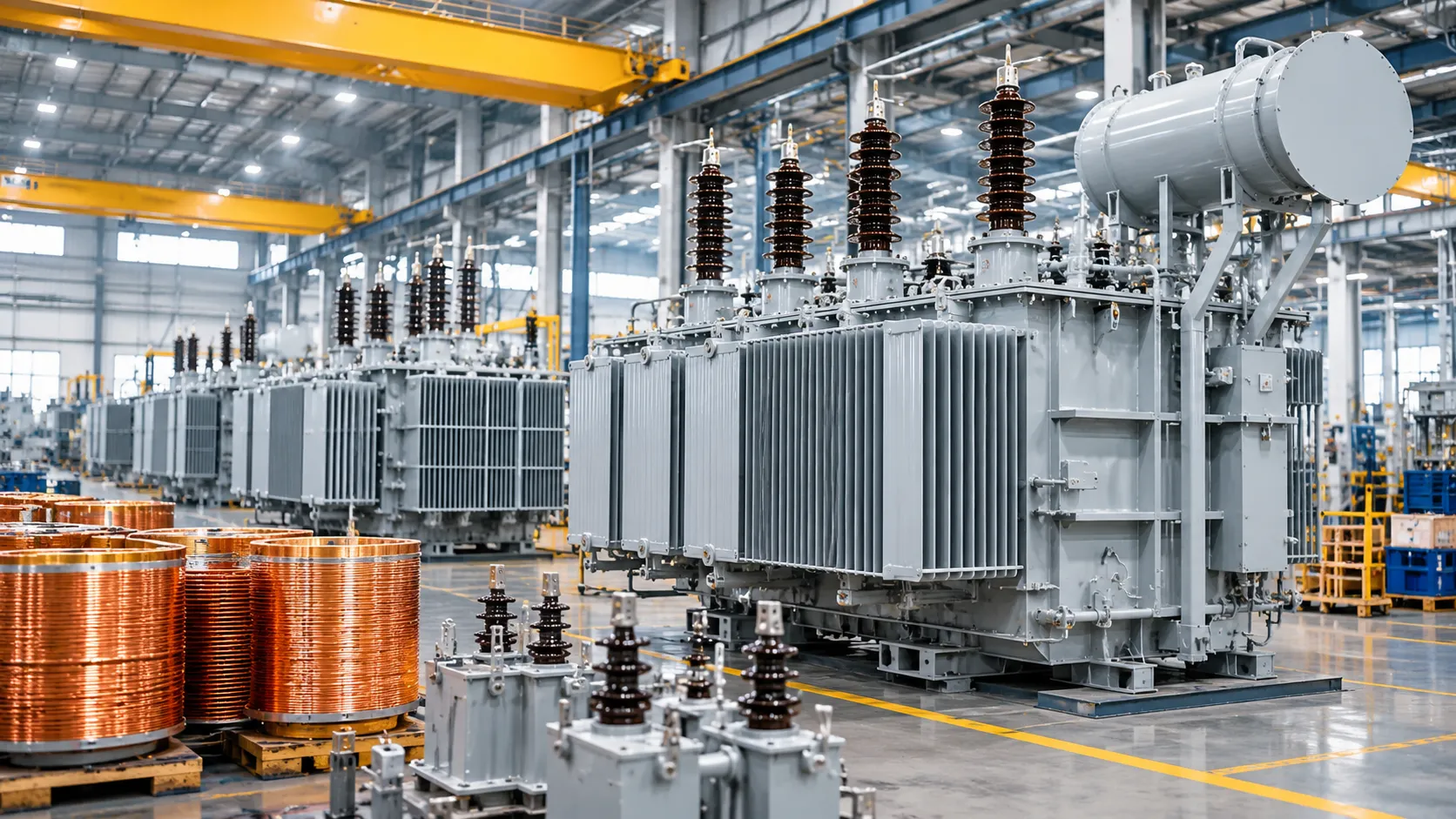
The policy shift directly impacts the electrical equipment manufacturing, utilities, and materials engineering sectors within the United States. Manufacturers of distribution transformers, power transformers, and associated grid hardware will experience heightened demand for compliant, domestically produced alternatives. Furthermore, the regulatory framework encourages a systemic transition away from imported legacy components, establishing a precedent for future federal procurement standards that prioritize supply chain sovereignty and equipment lifecycle extension.
For investors and corporate strategists, this funding signals a tangible market shift toward localized industrial capabilities. Companies capable of rapidly scaling the production of alternative grid materials or refurbishment services are positioned to capture significant market share ahead of the February 2027 application deadline. The anticipated follow-on funding rounds in 2027, which will target next-generation technologies such as solid-state transformers, further indicate a long-term federal commitment to modernizing the national energy architecture through strategic public procurement.