GERMANY; JAPAN —Universal Quantum, a United Kingdom-based developer of trapped-ion quantum computing systems, has closed a Series A financing round exceeding USD 100 million. The investment was co-led by DCVC and Firgun Ventures, alongside a syndicate of institutional and sovereign investors including EDBI, Artal, and Main Sequence. This transaction represents the largest Series A capital raise completed by a quantum technology enterprise headquartered in the UK.
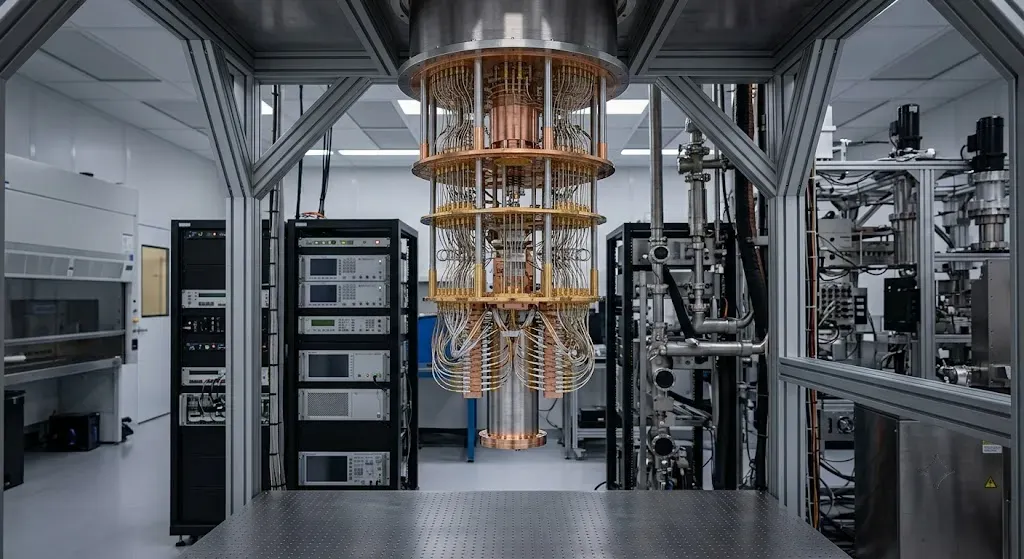
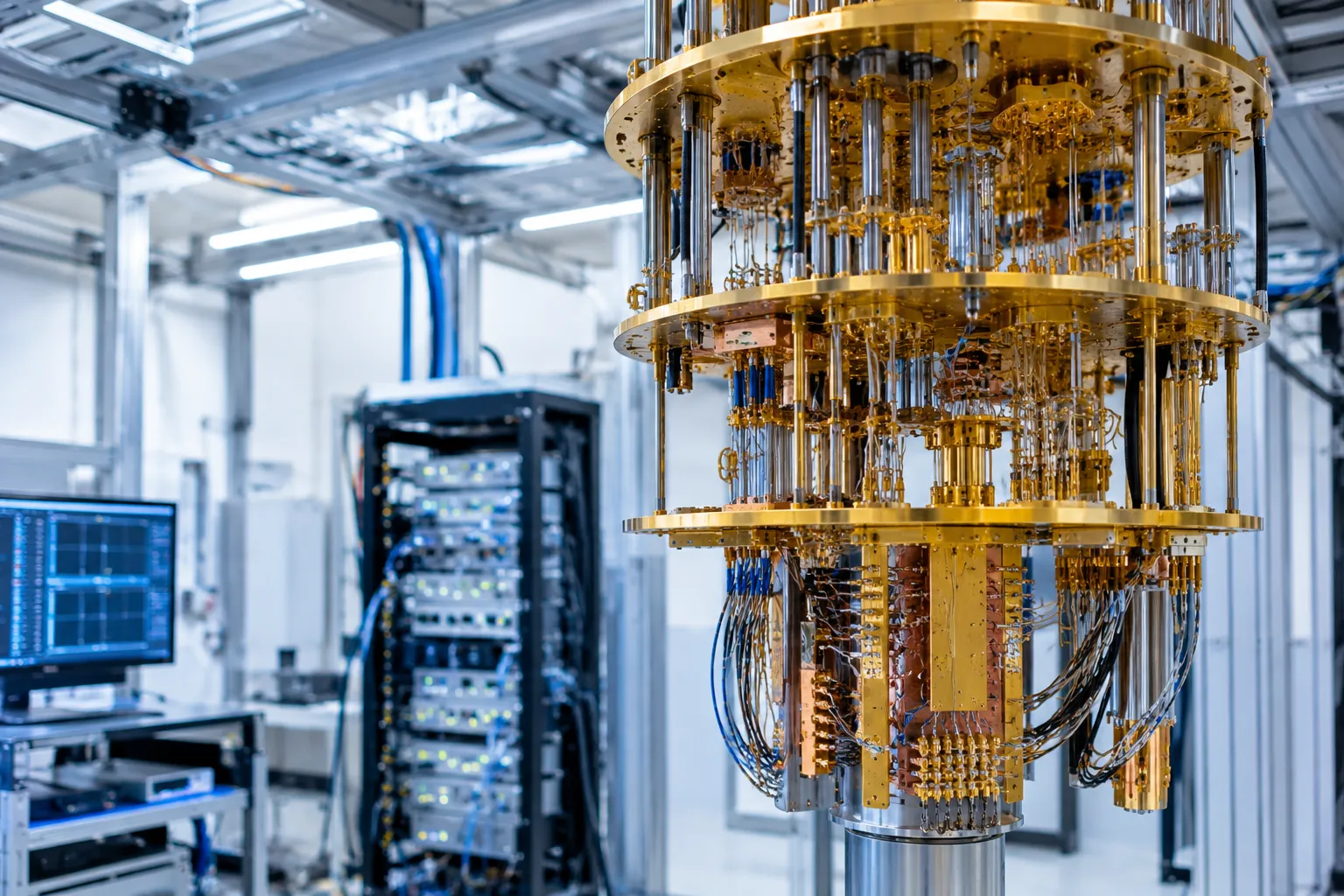
The newly acquired capital is allocated to accelerate the global deployment and commercialization of the firm’s modular quantum architecture. By utilizing proprietary interconnect technology to tile advanced quantum chips, the company intends to circumvent the engineering limitations of conventional photonic interconnects and extensive cooling infrastructure. This methodology is engineered to achieve the high-fidelity qubit volumes required for fault-tolerant, utility-scale computational operations.
This financing milestone reflects a broader shift in the deep technology sector, where sovereign and institutional capital is increasingly directed toward ventures with validated engineering roadmaps and active commercial agreements. Universal Quantum is currently executing a USD 77 million contract with the German Aerospace Center, providing early revenue validation. Furthermore, the company is establishing its first research and development facility outside Europe in Singapore, complementing existing operational hubs in Germany, the United States, and Japan.
For end-user industries such as pharmaceuticals, financial services, and advanced manufacturing, the realization of scalable quantum infrastructure presents a strategic avenue for resolving complex computational challenges beyond the capacity of classical systems. Universal Quantum is a quantum computing developer founded by academics from the University of Sussex, specializing in modular trapped-ion architecture. The company has grown into a global operation with over 100 technical personnel, positioning it to capitalize on a market projected to reach USD 100 billion in annual value by 2035.