KENYA; UNITED STATES OF AMERICA —The Government of Kenya has designated a United States-led investment group as the preferred bidder for the Mrima Hill rare earth and niobium asset in Kwale County. The selected joint venture will enter exclusive negotiations to obtain a prospecting license. This marks the first time the East African nation has allocated a mining concession through a transparent international competitive bidding process. The framework outlines a three-year timeline to complete feasibility studies, confirm historical resource estimates, and establish domestic refining capabilities.
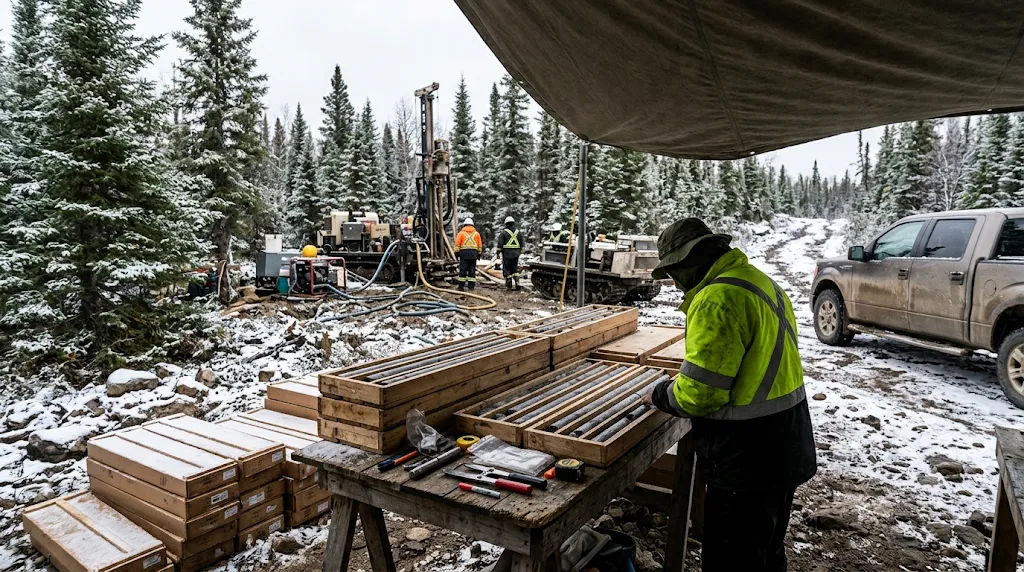
The winning consortium integrates operational expertise in mine construction with advanced metallurgical separation technologies. A primary partner is a North American mining enterprise focused on revitalizing historical silver and base metal operations in Idaho, which will oversee exploration for the East African asset. The collaboration intends to deploy proprietary chromatography-based refining methods to process extracted materials locally, ensuring higher-value separated products enter the market rather than raw unrefined ore.
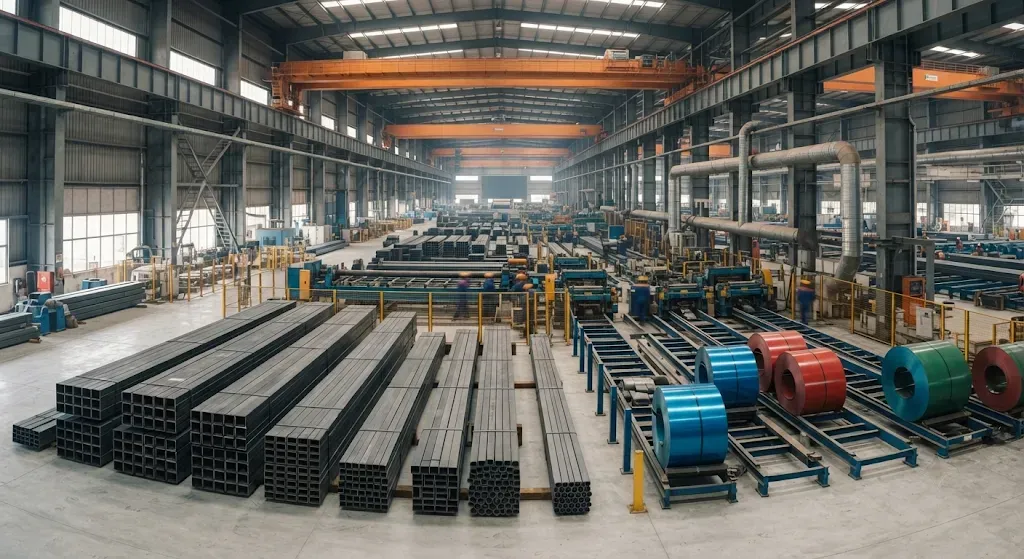
This allocation represents a significant shift in global critical mineral supply chain dynamics. Currently, processing capacity for rare earth elements and niobium remains heavily concentrated in Asian jurisdictions. By establishing a new extraction corridor between East Africa and Western markets, the initiative addresses supply vulnerabilities for defense, automotive, and renewable energy sectors. Niobium and specific heavy rare earth oxides are classified as high-risk materials due to their indispensable role in manufacturing permanent magnets and electric vehicle powertrains.
From a policy perspective, the transaction aligns with broader diplomatic efforts to diversify resource procurement and foster industrialization in emerging markets. The proponents are pursuing non-dilutive federal financing mechanisms designed to support strategic investments on the African continent. Furthermore, the mandate to refine materials within the host country establishes a precedent for resource nationalism and value-addition policies across the region. Authorities will now evaluate environmental baselines and radiological safety protocols before granting final permits.
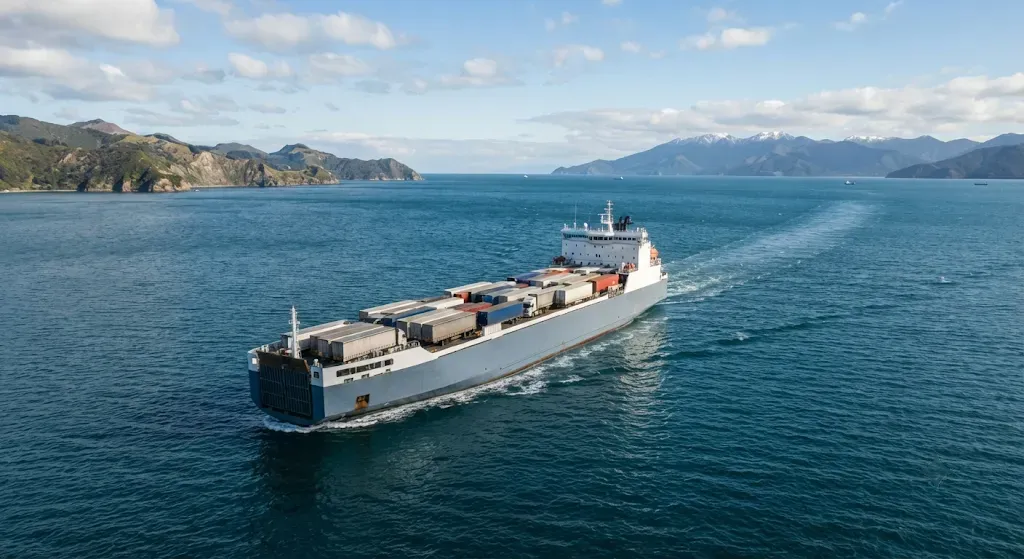
For market participants, the successful tender introduces a potential new source of separated magnet metals into the global trading system within the next half-decade. The coastal proximity of the deposit, situated near major deep-water maritime infrastructure, significantly reduces logistical friction compared to landlocked alternatives. Investors will monitor upcoming confirmation drilling and metallurgical test work to validate historical geological models. If milestones are met, the development could alter pricing dynamics and provide manufacturers with a geopolitically secure supply of essential technology metals.