UNITED STATES OF AMERICA —Major contract actions announced by the U.S. federal government reveal a broad capital allocation strategy aimed at bolstering military infrastructure, operational readiness, and strategic technological infrastructure. The primary beneficiary of this procurement cycle is the U.S.
Department of War, the primary federal executive department charged with coordinating and supervising all agencies and functions of the government directly related to national security and the armed forces. Strategic investments span key defense branches, with heavy emphasis on naval air facility upgrades, next-generation strike weapons development, submarine systems, and specialized tactical aviation procurement.
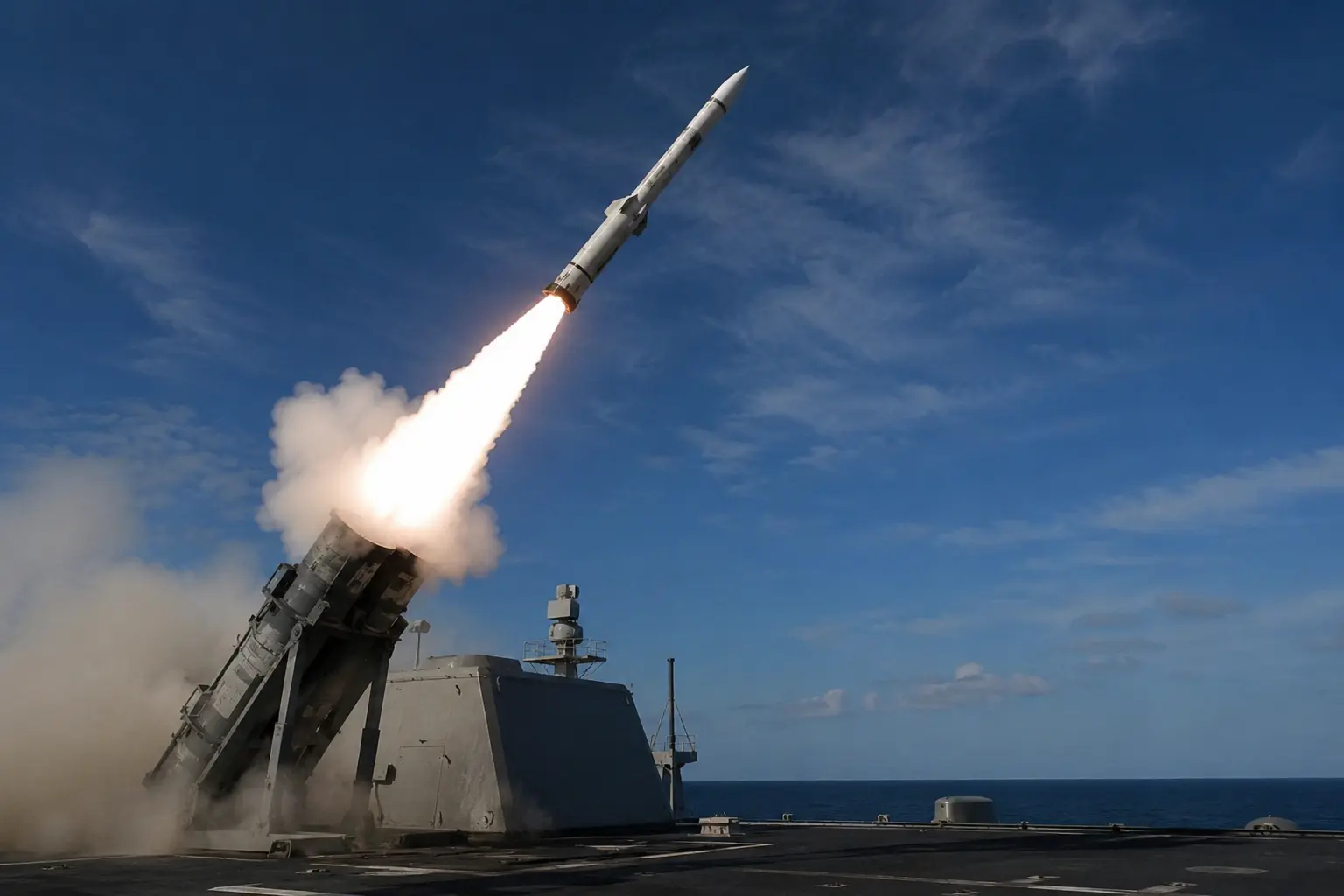
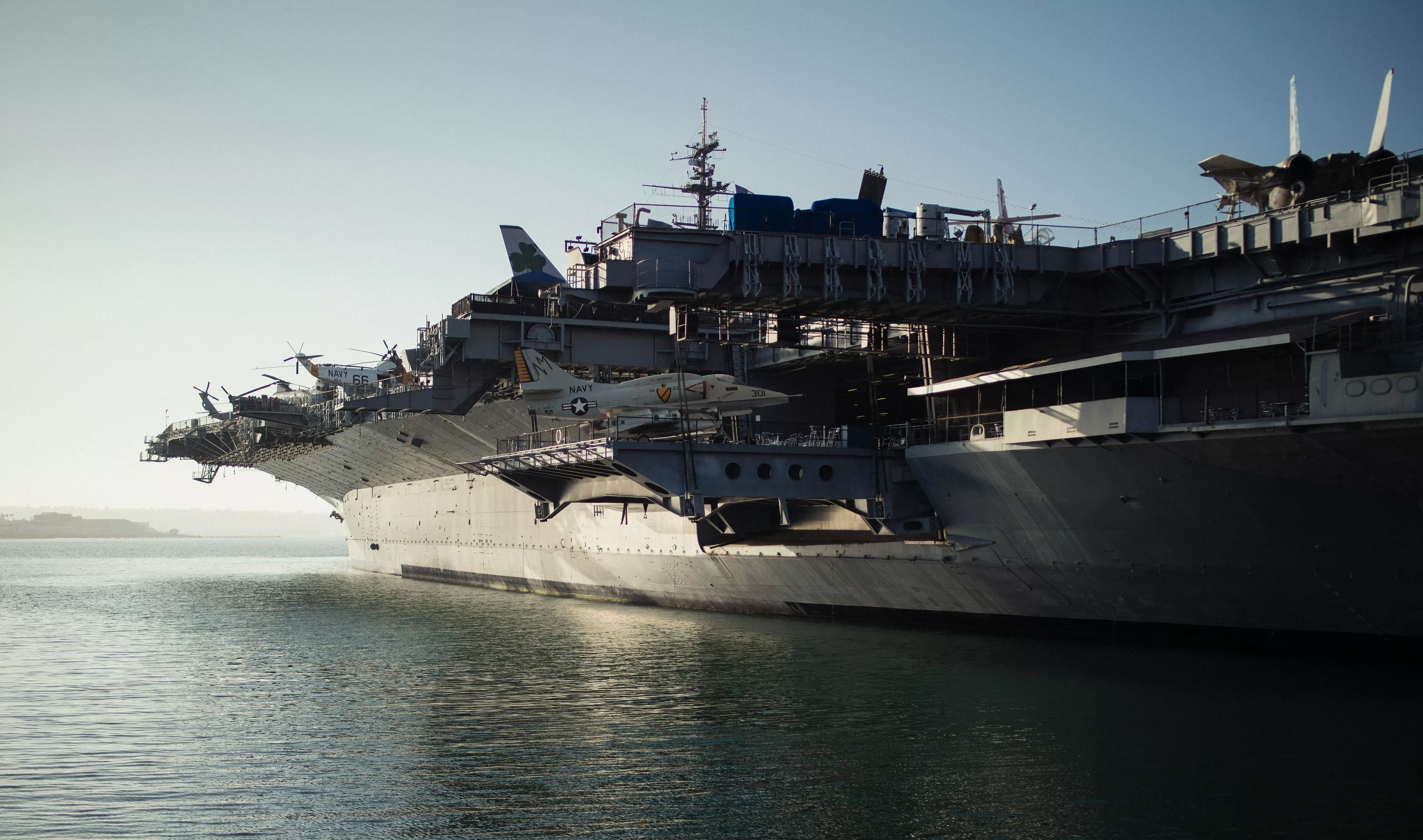
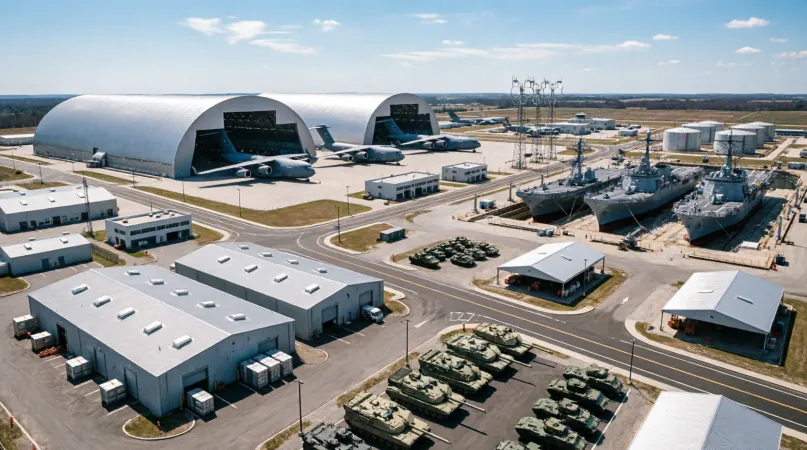
Among the major infrastructure awards, Consigli Construction secured $364.87 million for facilities development at Marine Corps Air Station Cherry Point in North Carolina, while BL Harbert International received $207.92 million for maintenance hangar construction at Marine Corps Air Station Beaufort in South Carolina. In strategic systems, JRC Integrated Systems received a $47.39 million modification for engineering support on the Nuclear-armed Sea-Launched Cruise Missile program, and General Dynamics NASSCO gained $26.84 million for maintenance work on the USS Gerald R. Ford aircraft carrier. Aviation supply capabilities were simultaneously boosted through a $234.46 million Army contract modification awarded to Lockheed Martin's Sikorsky unit for 16 UH-60M Black Hawk helicopters, alongside significant Air Force training device sustainment contracts awarded to Boeing for $112.41 million.
These contract distributions highlight a deliberate policy shift toward modernizing defense infrastructure and securing multi-year defense supply chains. Capital allocations prioritized high-tech systems engineering, durable infrastructure expansion, and operational readiness. Regionally, the funding flow provides significant economic stimulus across defense manufacturing hubs and military construction centers in North Carolina, South Carolina, Virginia, Connecticut, and Missouri, while strengthening industrial defense partnerships across the domestic private sector.
For defense contractors and industrial equipment suppliers, these awards demonstrate sustained federal spending in long-term fleet readiness, aerospace modernization, and specialized military construction. Private defense vendors, engineering firms, and logistics providers stand to gain from recurring, multi-year maintenance and operational service obligations. Investors and corporate decision-makers can anticipate continued strong revenue visibility for prime military contractors holding long-term systems sustainment and defense procurement contracts.