UNITED STATES OF AMERICA —Capital allocation across the United States energy and digital infrastructure sectors faces significant regulatory recalibration following the passage of comprehensive permitting reform legislation by the U.S. Senate on November 19, 2026. Approved by a 62-33 margin, the Bipartisan American Affordability and Jobs Act of 2026 compresses federal review timelines for power generation plants, high-voltage transmission lines, pipelines, and mining operations while mandating that hyperscale data centers bear the financial cost of their electricity consumption. The bill now advances to the U.S. House of Representatives, which cleared a narrower, industry-aligned counterpart during the previous legislative session.
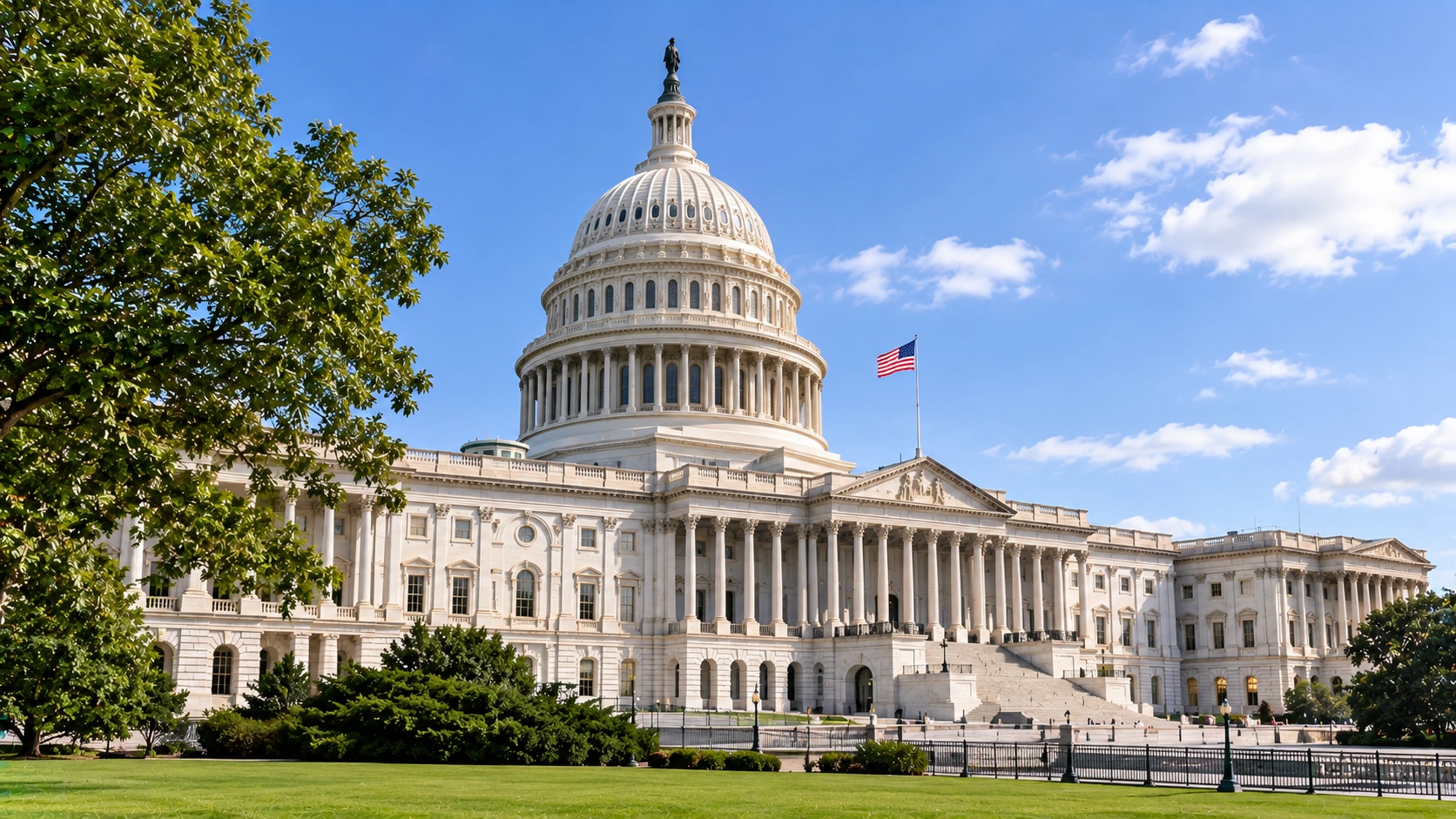
The U.S. Senate, the upper chamber of the bicameral federal legislature in Washington, D.C., exercises constitutional authority over national lawmaking, federal budget approvals, and executive oversight. Spearheaded by bipartisan leaders of the chamber's energy and environment committees, including Republican Senators Shelley Moore Capito and Mike Lee alongside Democratic Senators Martin Heinrich and Sheldon Whitehouse, the measure represents the first major legislative action following recent midterm elections. Fifteen Democrats, including Minority Leader Chuck Schumer, joined the Republican majority to secure passage, whereas Republican Senators Josh Hawley and Mike Rounds dissented.
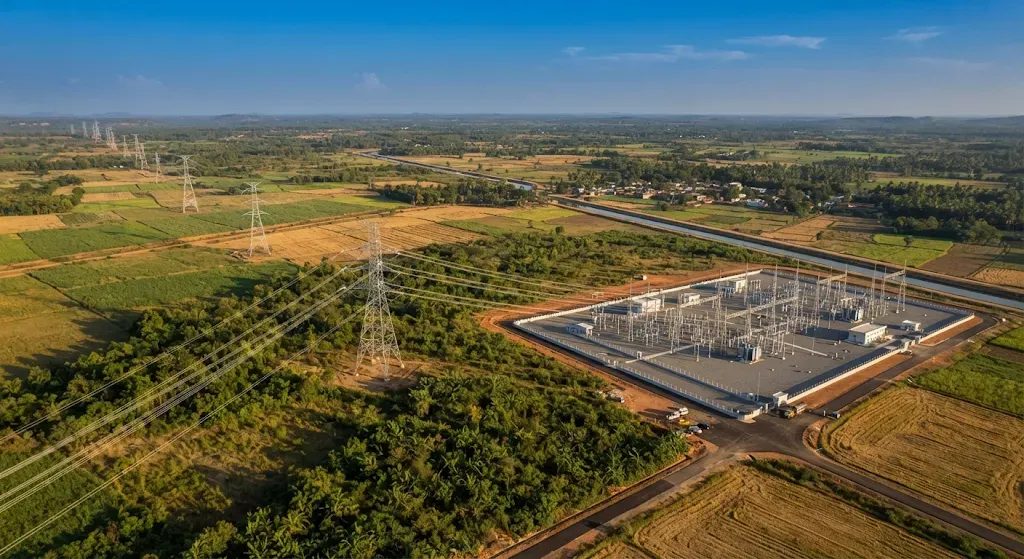
Accelerating project approvals addresses prolonged bottlenecks that have stalled grid expansion and escalated retail utility rates nationwide. Under existing frameworks governed by the National Environmental Policy Act, federal environmental assessments routinely extend beyond five years, inflating financing expenses and delaying commercial operations for a decade or more. By curtailing judicial review windows and modifying compliance mandates under the Clean Water Act and the Endangered Species Act, lawmakers aim to expand domestic energy supply and stabilize electricity pricing for households and industrial consumers.
Both renewable energy developers and traditional oil and gas operators stand to benefit from reduced regulatory friction, as faster interconnection and pipeline approvals unlock stranded capital. Conversely, technology firms and cloud infrastructure operators face higher operating expenditures due to statutory provisions preventing data center power demand from being subsidized by general utility ratepayers. Opposition from conservation organizations, including the Sierra Club and the National Wildlife Federation, alongside tribal leaders from the Oneida Nation and California's 109 federally recognized tribes, signals ongoing friction over ecological safeguards, water quality authority, and sovereign consultation rights.
For institutional investors and corporate strategists, the legislation introduces a dual-track market dynamic. Energy utilities, engineering firms, and transmission developers gain clearer visibility on project execution timelines, potentially lowering risk premiums for grid modernization assets. Simultaneously, data center developers and artificial intelligence infrastructure providers must factor direct power procurement and dedicated grid upgrade costs into site selection models, while monitoring potential legislative amendments or regulatory adjustments once the incoming Congress convenes.