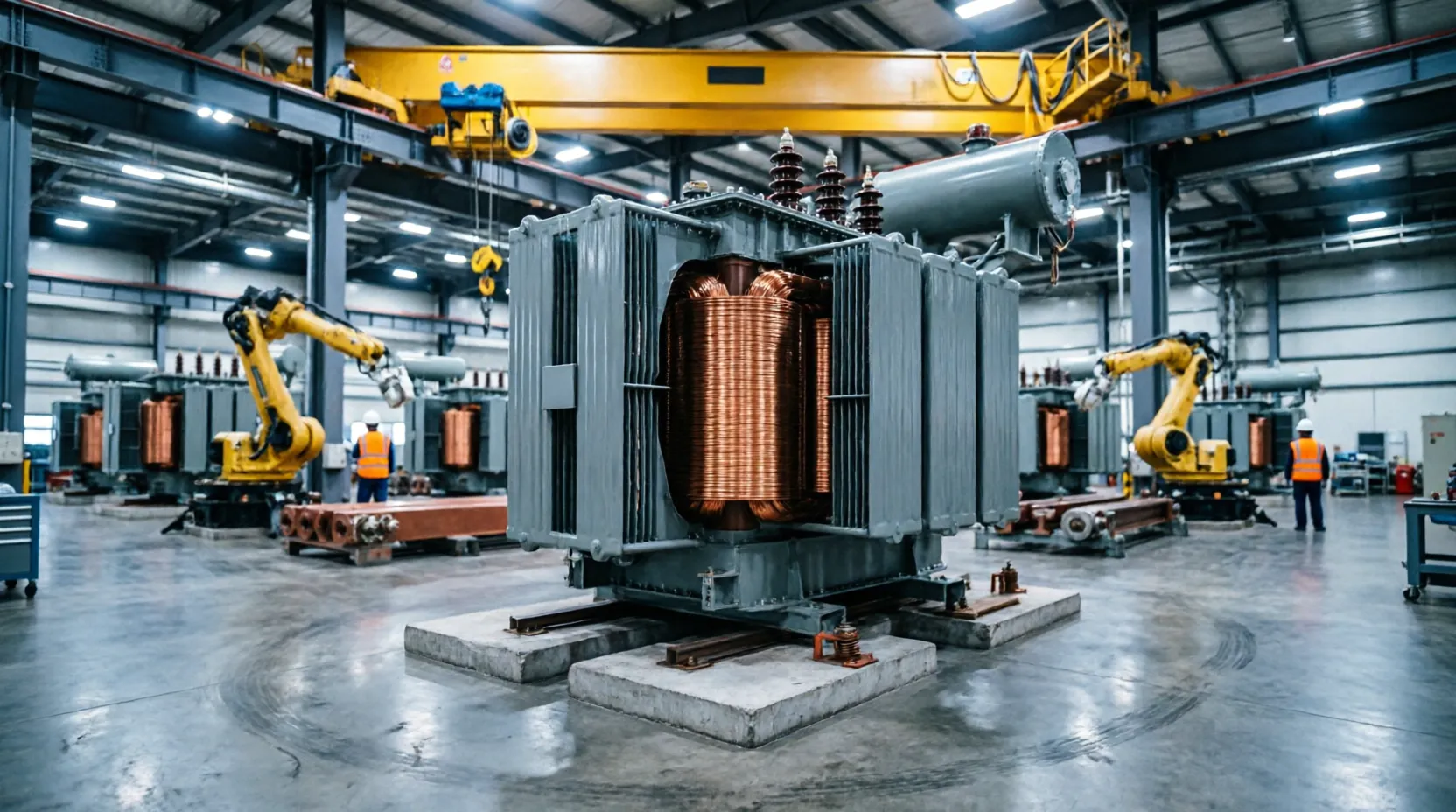
JAPAN; UNITED STATES OF AMERICA —Rising electricity consumption driven by data center operations, advanced manufacturing, and widespread industrial electrification is putting immense pressure on electrical infrastructure, driving an urgent demand for critical grid components. To help ease supply constraints, plans have been unveiled for a $528 million high-capacity transformer manufacturing plant in Gallman, Mississippi. Scheduled to begin operations in 2029, the site will replace a nearby existing facility, doubling regional manufacturing capacity and creating over 700 jobs.
This initiative forms the cornerstone of a broader $1.5 billion domestic manufacturing expansion strategy by energy technology provider Hitachi Energy. Headquartered in Switzerland, Hitachi Energy operates as the global power grid business of Japan-based Hitachi, Ltd., employing approximately 56,000 people across 60 countries and generating around $20 billion in revenue. The company's wider U.S. capital deployment also includes a $457 million transformer facility expansion in Virginia, a $106 million component plant expansion in Tennessee, and a $70 million grid equipment upgrade in Pennsylvania.
The expansion directly impacts electric utilities, grid operators, heavy industrial developers, and technology infrastructure providers who currently face extended lead times for large power transformers. By substantially increasing North American manufacturing capacity, the project strengthens domestic supply chain resilience for critical grid apparatus, reducing reliance on long lead-time imports. It also aligns with federal and state initiatives aimed at expanding energy infrastructure, speeding up permitting processes, and reinforcing national power reliability.
For energy developers and utility investors, increased localized production capacity offers greater supply certainty and potential relief from procurement delays that have stalled power generation and grid interconnection projects. The capital deployment underscores a broader shift toward re-shoring essential capital goods manufacturing, positioning North American suppliers to capture long-term growth as power demand continues its upward trajectory over the coming decades.