UNITED STATES OF AMERICA —Defense supply chain security initiatives advanced as the U.S. government committed $36 million to bolster domestic stockpiles of high-performance refractory metals used in advanced aviation manufacturing.
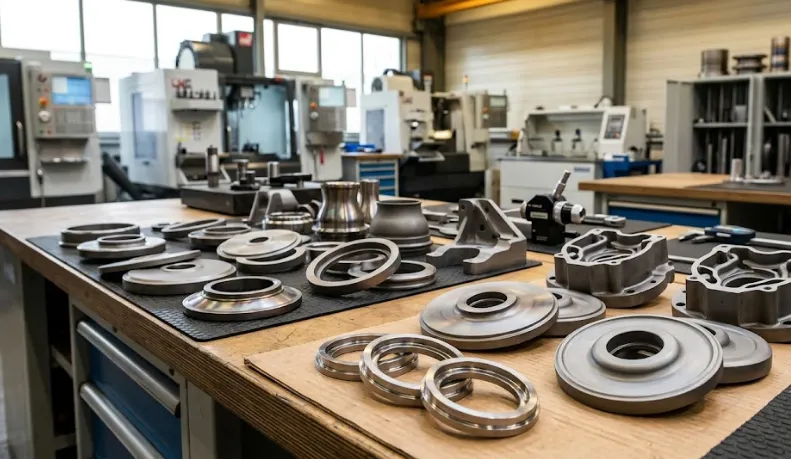
Under the newly issued procurement from the Defense Logistics Agency (DLA) Strategic Materials division, Maine-based Elmet Technologies will supply specialized titanium-zirconium-molybdenum alloy billets, bar stock, ingots, and fine precision wire. These high-temperature materials are vital for producing critical propulsion components in modern military and commercial aircraft.
Refractory metals such as tungsten and molybdenum possess extreme melting points and durability under thermal stress, making them indispensable for aerospace systems. Because global production of these raw materials has historically concentrated outside North America, the procurement reflects a deliberate push by defense officials to insulate domestic defense manufacturing from international supply disruptions.
The award complements broader federal efforts to build end-to-end domestic processing capability, following a major IDIQ framework established earlier in the month to secure upstream tungsten feedstocks. By targeting downstream mill products and precision-engineered forms, the government addresses vulnerabilities across both raw mineral sourcing and high-value component fabrication.
Elmet Technologies, a subsidiary of The Elmet Group, operates as a vertically integrated domestic manufacturer of tungsten and molybdenum products. Operating across facilities in Maine, Michigan, and Ohio, the enterprise manufactures specialized metal components and mill products for aerospace, defense, semiconductor, and medical equipment sectors.
For defense contractors and industrial manufacturers, the contract provides stable domestic availability of essential high-temperature alloys. By expanding state-held reserves of specialized wire and alloy stock, the initiative strengthens the resilience of the defense industrial base against supply chain bottlenecks.