CAMEROON; UNITED STATES OF AMERICA —Cybastion, an American digital infrastructure and cybersecurity provider headquartered in Arlington, Virginia, is launching a major capital project in Cameroon. The enterprise delivers integrated technology solutions, enterprise cloud architecture, and cyber defense frameworks tailored for government entities and emerging markets across the African continent.
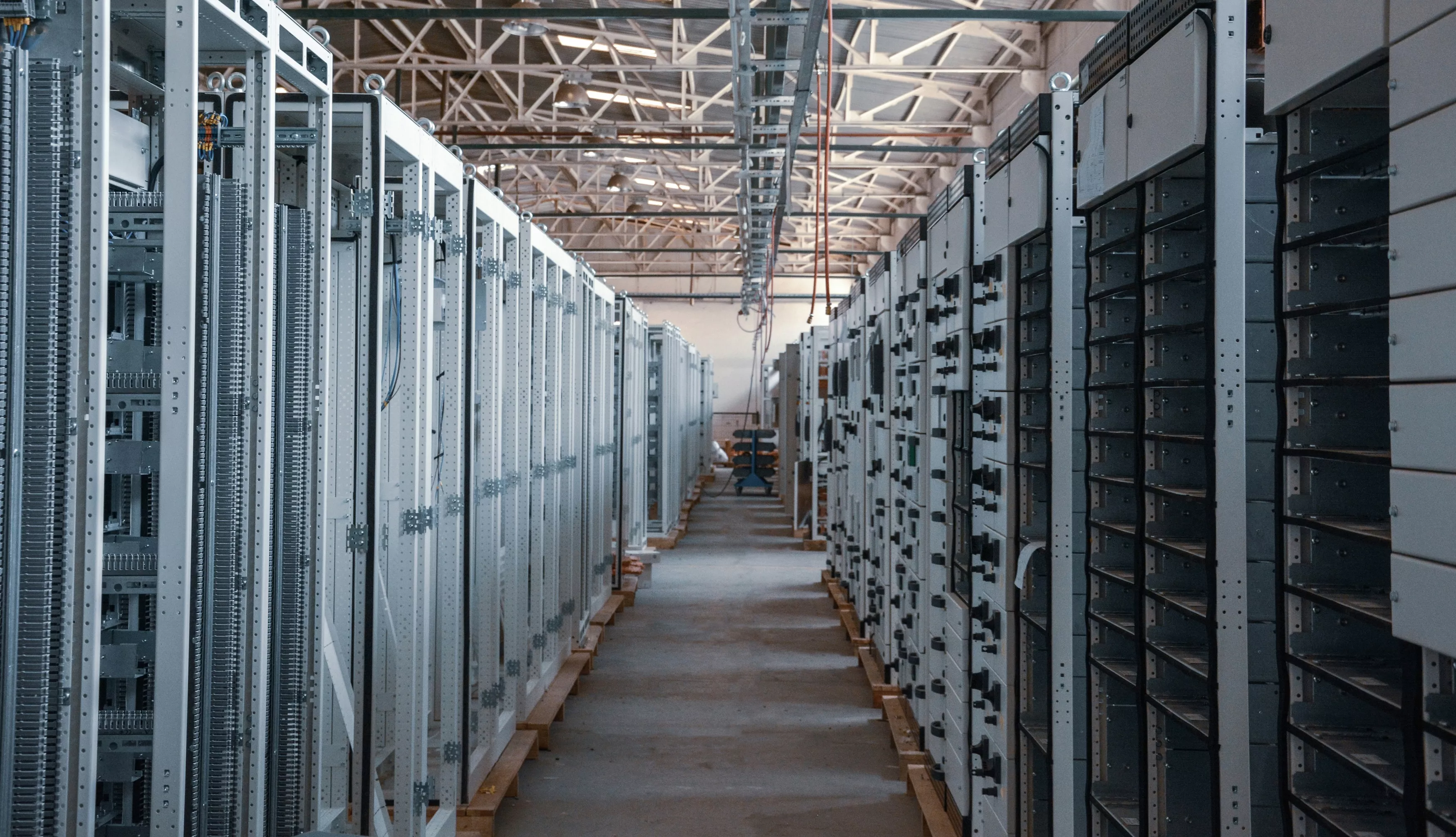
The U.S. technology provider will allocate $75 million to build an artificial intelligence-capable data center alongside an independent power facility in Douala. The project framework combines critical sovereign computing capabilities with dedicated power generation to insulate the facility from local grid fluctuations. Announced during the inaugural U.S.-Cameroon Bilateral Economic and Commercial Dialogue, the commitment forms part of a broader $7 billion bilateral trade and investment showcase targeted at strengthening the region's commercial ecosystem.
Integrating on-site energy production directly with high-density data operations addresses a persistent structural bottleneck across West and Central Africa. Enterprise digital initiatives in the region routinely face operational risks stemming from unreliable utility grids. By co-locating dedicated energy generation with enterprise cloud assets, this initiative establishes a resilient operational model designed to maintain uninterrupted uptime for high-throughput computing and artificial intelligence workloads.
This development signifies an escalating push by international private capital into Central Africa's technology landscape, establishing Douala as a strategic regional hub for digital services. Public sector bodies, financial institutions, and enterprise tech startups stand to gain low-latency sovereign cloud resources, reducing dependence on offshore data centers while supporting local data sovereignty guidelines.
For global investors and technology vendors, the integration of energy infrastructure with digital asset deployment underscores an evolving operational blueprint for frontier markets. The investment demonstrates how private sector engagement, backed by diplomatic trade frameworks, can de-risk infrastructure commitments in high-growth African economies.