THAILAND; UNITED STATES OF AMERICA —Thailand is evaluating the introduction of small modular reactor (SMR) technology into its national grid under a newly established technical assistance agreement between the U.S. Trade and Development Agency (USTDA) and the Electricity Generating Authority of Thailand (EGAT). The USTDA-funded study will evaluate American SMR designs capable of generating approximately 600 megawatts of capacity to assist the Southeast Asian nation in determining optimal site selection, financial projections, and regulatory frameworks required for nuclear integration.
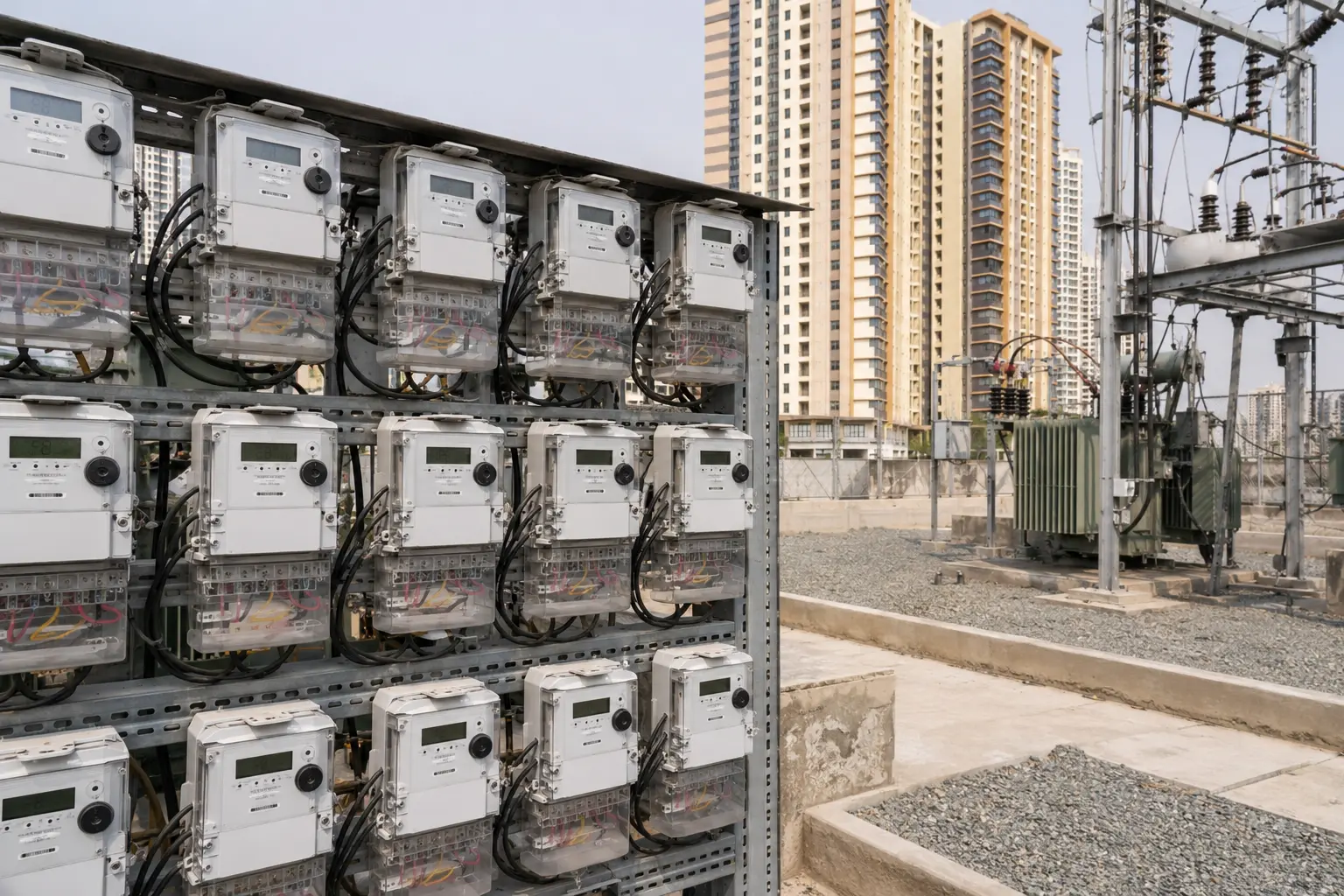
EGAT, a state-owned enterprise managed by Thailand's Ministry of Energy, operates and oversees the country's power generation network and high-voltage transmission system. USTDA is an independent U.S. federal agency tasked with promoting economic growth in emerging economies while advancing U.S. commercial interests abroad through technical feasibility studies and project planning support.
The initiative addresses rising domestic electricity demands across Thailand while advancing broader Indo-Pacific energy security objectives. By deploying SMR technology—which features smaller footprints and lower initial capital expenditure compared to traditional nuclear facilities—Thailand aims to stabilize its electrical infrastructure and accelerate its transition toward low-carbon base-load power.
For global nuclear technology providers, the assessment creates direct strategic entry points into Southeast Asia's emerging civil nuclear sector. The vendor-neutral evaluation encompasses technology offerings from major U.S. developers, including GE-Hitachi, Holtec, Kairos Power, NuScale, TerraPower, Westinghouse, and X-Energy. A successful framework could establish a operational blueprint for neighboring developing economies considering small-scale nuclear deployment to meet grid stability and industrial expansion requirements.