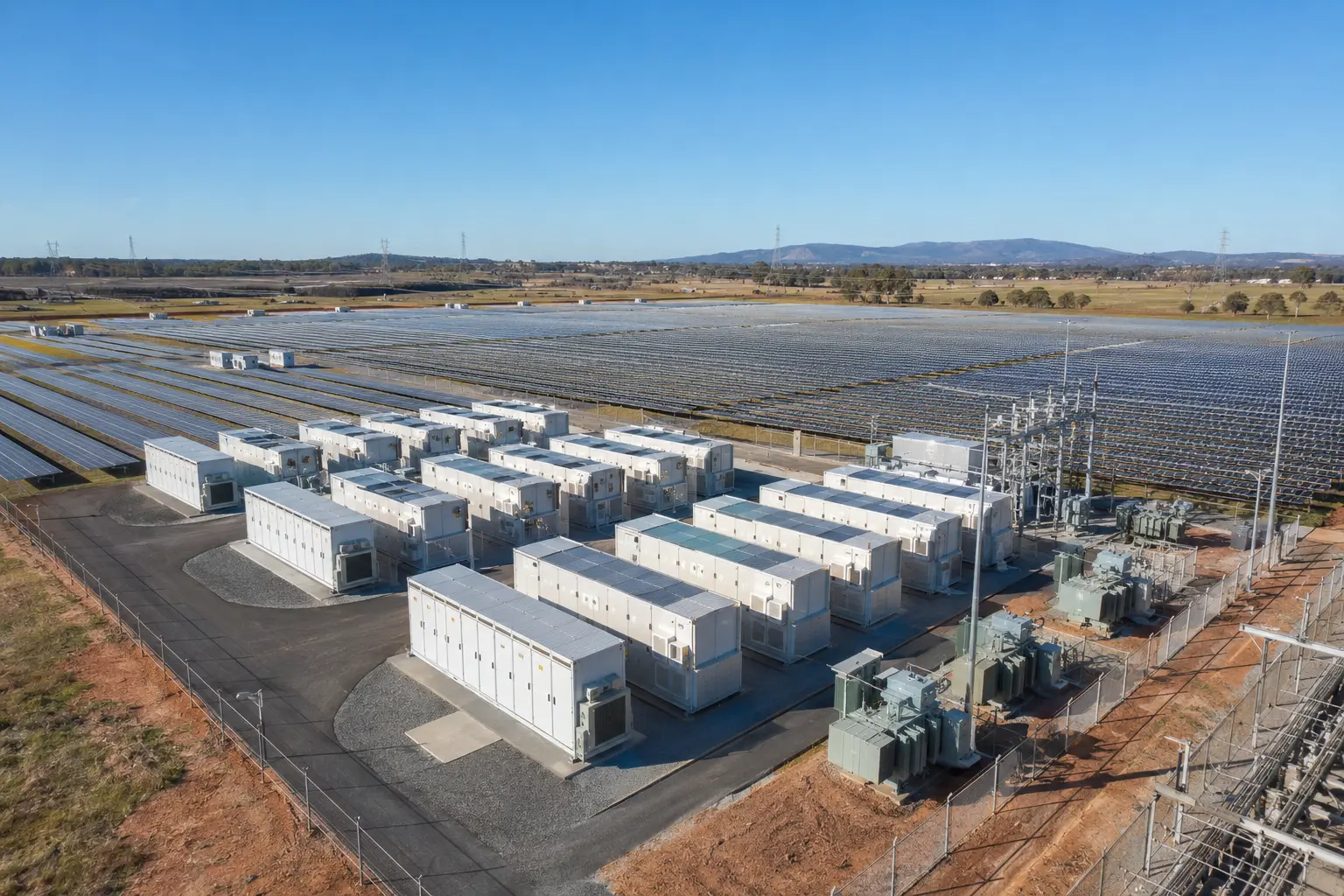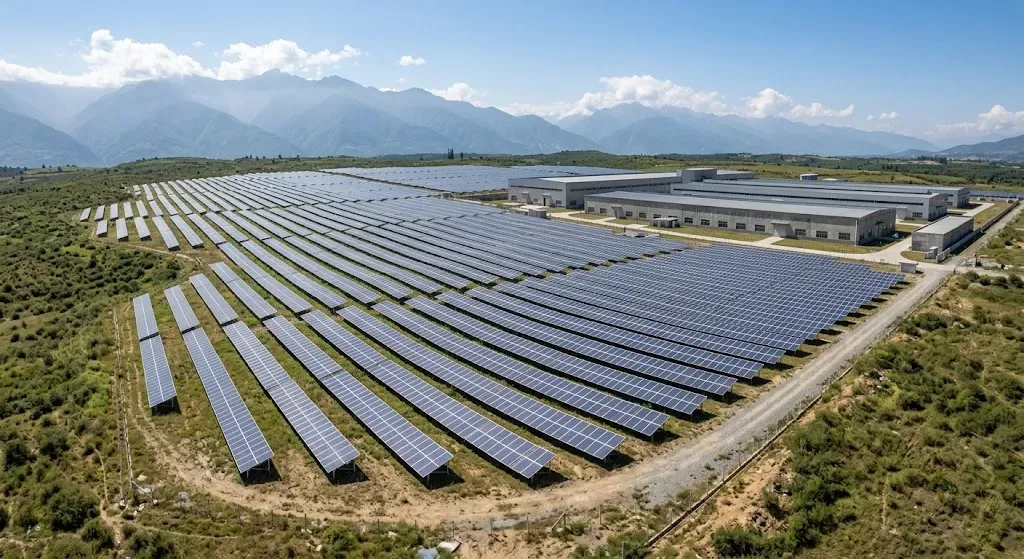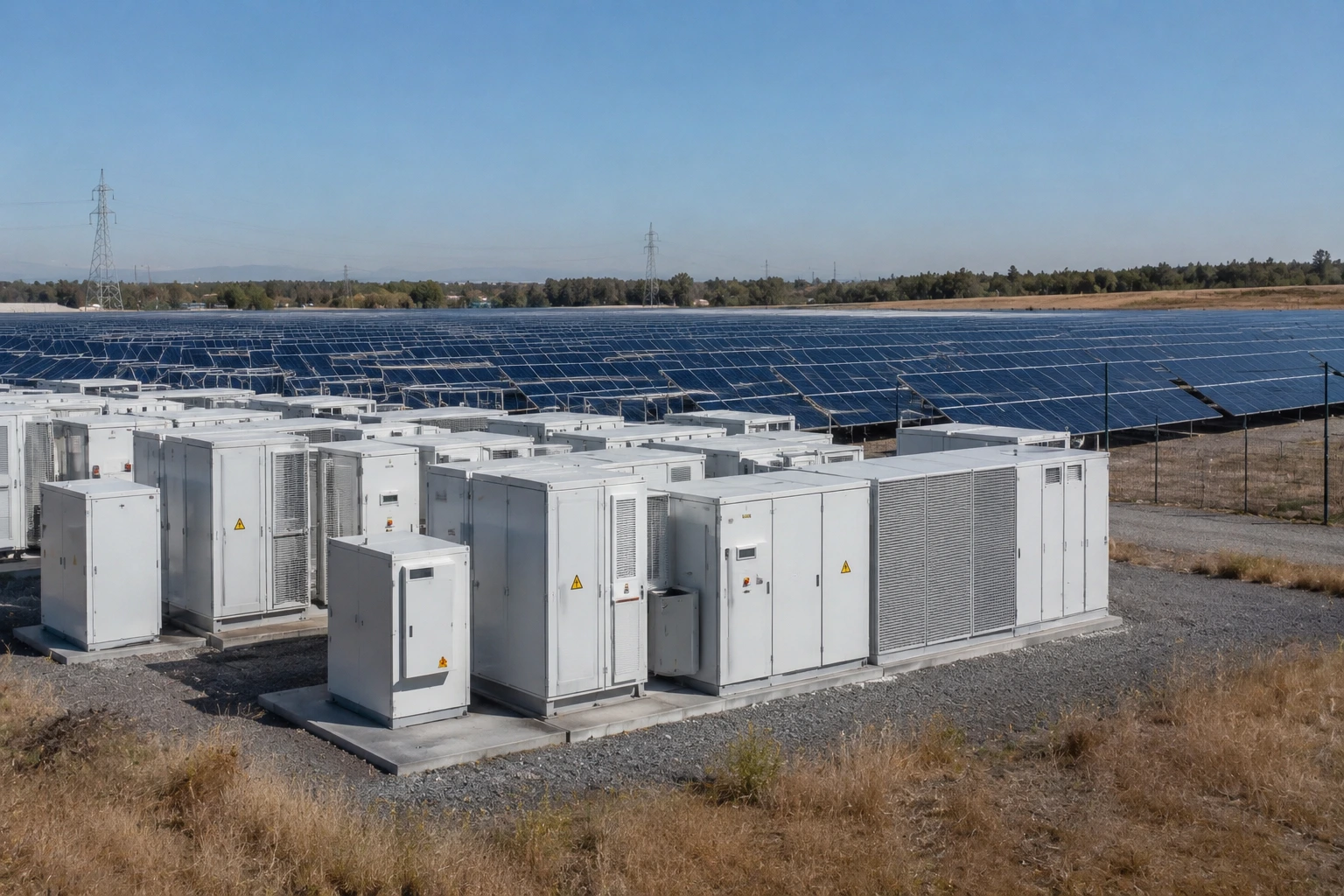
SRI LANKA —Renewable energy developer Vidullanka PLC has advanced its energy transition portfolio in Sri Lanka after its affiliated project entities emerged successful in competitive tenders for utility-scale battery energy storage systems. The proposed installations will attach battery units directly to existing operational ground-mounted solar photovoltaic facilities. Operating under a 15-year Build, Own, and Operate structure, the assets represent a combined battery capacity of 18.7 megawatts and 93 megawatt-hours across four project companies, including Solar Universe, Sooryashakthi, DPV Solar Energy, and VidulSolar.
Executing the project pipeline will require an estimated equity contribution of LKR 600 million from Vidullanka PLC, calibrated against its direct and indirect equity holdings in the participating entities. Capital allocation strategy relies on internal cash generation from ongoing solar power production combined with project-level debt facilities. The formal buildout remains contingent upon regulatory clearances, formal letters of award, and final execution of power purchase agreement addendums with government authorities.
Vidullanka PLC is a Sri Lanka-based renewable energy corporation involved in developing, constructing, and operating hydro, solar, and wind power plants across South Asia and East Africa. The company expands regional clean energy infrastructure through long-term power purchase agreements with state utilities.
Incorporating battery energy storage systems into existing solar generation facilities addresses key operational constraints in utility grids with rising intermittent power penetration. Co-locating storage allows developers to capture excess generation during peak sunlight hours, mitigate curtailment risks, and supply smooth power outputs during demand peaks. For electricity network operators, localized storage assets deliver critical grid stabilization services, frequency regulation, and enhanced system resilience without requiring expensive transmission upgrades.
This commercial transition signals broader adoption of hybrid renewable structures across emerging markets seeking grid stability alongside clean power goals. For infrastructure investors, retrofitting operational power assets with storage capacity provides long-term revenue visibility under multi-decade utility off-take frameworks, setting a technical precedent for regional clean energy modernization.