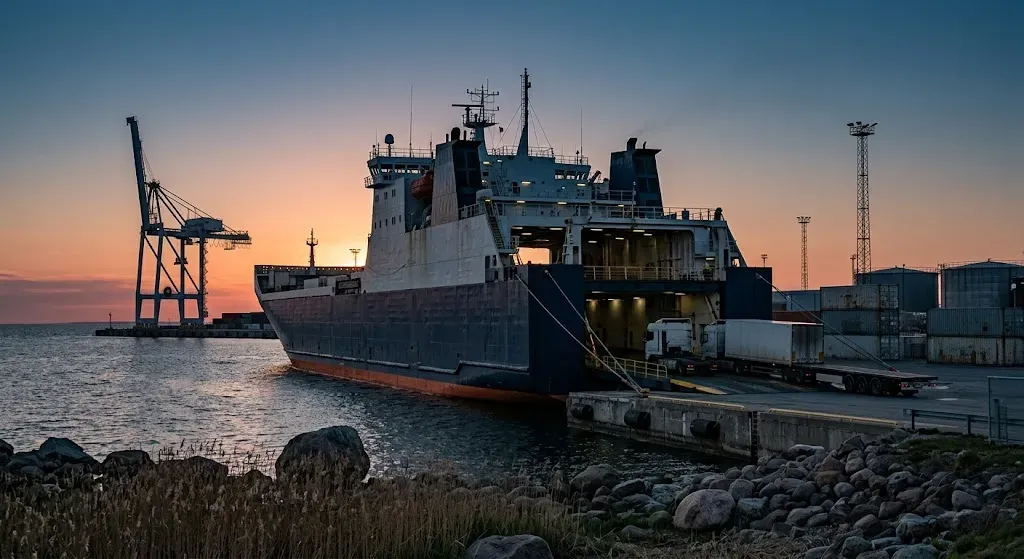
ESTONIA; FINLAND —Freight capacity across the Baltic maritime corridor is set to expand as Viking Line partners with TT-Line to service the route connecting Vuosaari in Helsinki to Muuga in Estonia. Operating under a joint operation framework without establishing an independent corporate entity, both maritime operators will co-manage the route. To support the service, Viking Line is acquiring a 50 percent stake in the vessel deployed for the route, representing an investment of approximately 10 million euros that will not materially affect its broader financial standing. Operations are scheduled to begin in the first quarter of 2027.
Finland-based Viking Line is a major passenger and cargo shipping operator in the Baltic Sea, running ferry services connecting Finland, Sweden, and the Åland Islands. Germany-headquartered TT-Line specializes in ferry transport services across the Baltic, connecting various northern European freight hubs.
This initiative strategically expands regional logistics assets to support growing trade volumes between Finland and Estonia. By establishing a co-owned vessel model on a dedicated cargo route, both partners can optimize fleet utilization, diversify service routes alongside existing passenger-heavy routes, and increase freight throughput across Scandinavian and Baltic supply chains.
The agreement strengthens freight transportation networks for logistics providers, cargo managers, and commercial shipping sectors operating in Northern Europe. Enhanced cargo capacity between Vuosaari and Muuga offers industrial clients higher reliability and efficiency, supporting regional trade integration while laying the groundwork for long-term supply chain development between Finland and Estonia.
For commercial operators and freight investors, the capital-light joint venture model demonstrates an efficient strategy to expand market footprint without taking on full vessel acquisition risk. By maintaining existing routes while expanding joint commercial cargo solutions, both maritime entities reinforce their market resilience and positioning in the competitive Baltic transport corridor.