INDIA —Vishnu Barium Private Limited, a wholly owned material subsidiary of Vishnu Chemicals Limited, has entered into a share purchase agreement to acquire 4,88,833 equity shares representing an 18.69% stake in Fractal Nova Private Limited for a total cash consideration of Rs. 14.66 million. Priced at Rs. 10 per share with a Rs. 20 premium, the transaction is slated to close within one week and does not transfer management control.
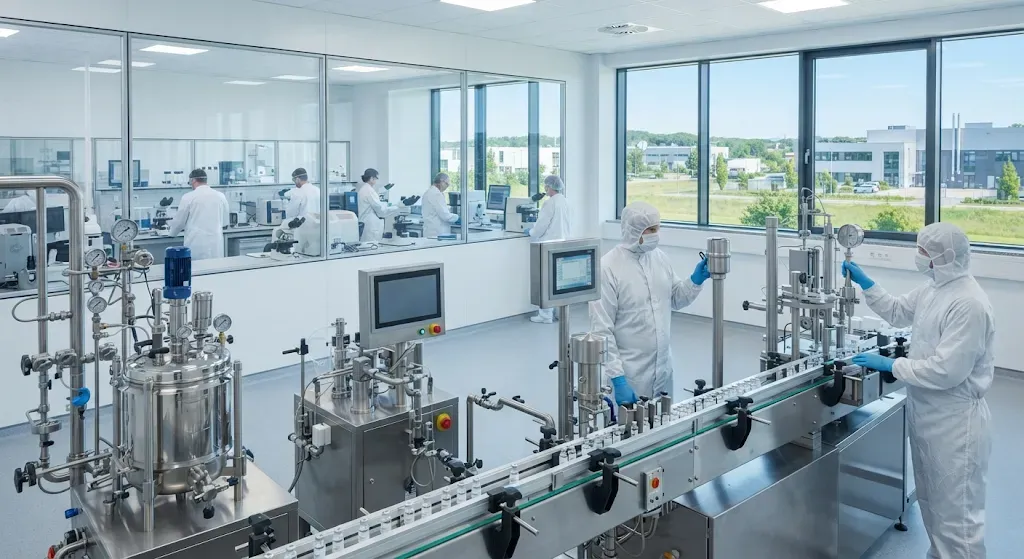
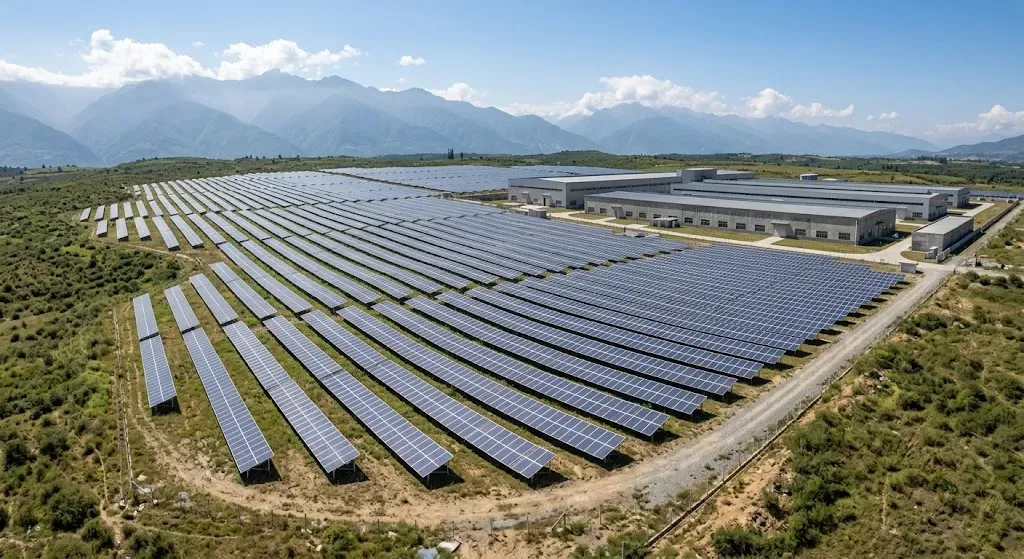
Incorporated in July 2025, Fractal Nova operates in India and focuses on developing, building, and managing renewable energy plants, reporting nil turnover across financial years 2023-24, 2024-25, and 2025-26. Vishnu Barium manufactures speciality chemicals and operates a production facility in Srikalahasti Mandal, Tirupati, Andhra Pradesh, where it plans to draw electricity from Fractal Nova.
Securing dedicated renewable electricity helps energy-intensive chemical manufacturers manage power costs and emissions profiles at specific plant locations. However, the filing notes that electricity regulations require at least a 26% equity holding in a solar generating entity to qualify for group captive benefits, meaning this 18.69% stake alone stops short of that statutory benchmark.
For India's industrial and renewable energy sectors, the transaction highlights how manufacturing firms are structuring minority equity investments in power developers to align off-take with facility needs. In Andhra Pradesh and across power-intensive manufacturing hubs, industrial buyers increasingly evaluate equity participation alongside regulatory ownership thresholds to optimize captive or group captive power structures.
Executives and investors tracking speciality chemicals and industrial decarbonization should watch whether Vishnu Barium increases its holding in Fractal Nova over time or pairs the stake with broader power arrangements to capture group captive advantages. Because the deal is an arm's-length cash transaction outside related-party ties with no regulatory approvals flagged, capital deployment remains modest relative to broader corporate balance sheets while establishing an early footprint in renewable power supply.