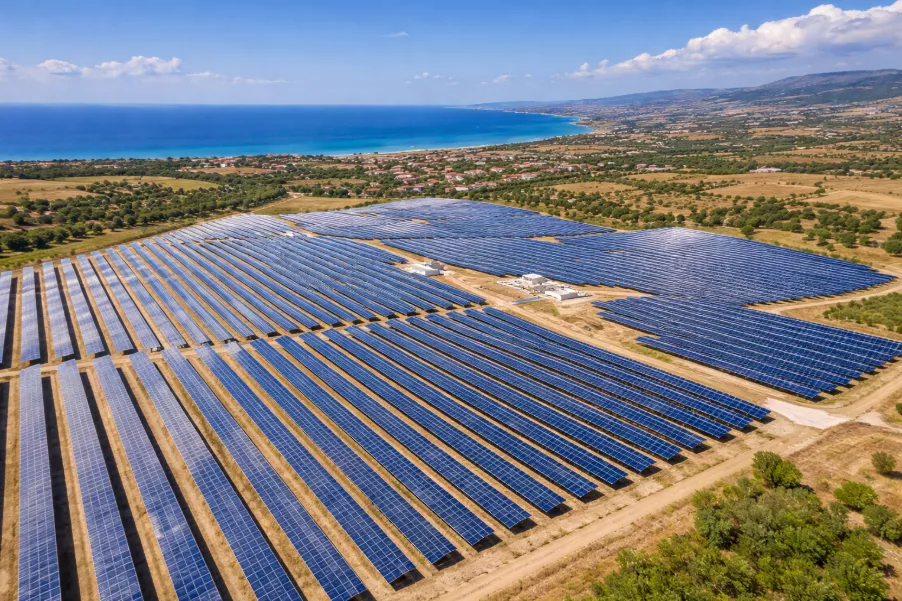
INDIA —Waaree Renewable Technologies Limited (WRTL) has finalized a five-year commercial contract to provide comprehensive operation and maintenance services for a utility-scale solar generation facility. The agreement covers a solar power installation boasting a cumulative capacity of 360 megawatt-peaks. Formal notification regarding the award was issued by the corporate client on the evening of October 31, 2026, prompting regulatory disclosures by the engineering firm at the beginning of November. The engagement involves entirely domestic counterparties, operating independently without related-party affiliations or overlapping promoter interests.
Long-term service arrangements of this scale play a critical role in stabilizing operational cash flows for clean energy engineering firms while ensuring high plant availability factors for asset owners. As solar portfolios expand rapidly across domestic markets, proactive maintenance contracts mitigate degradation risks and optimize lifetime energy yields. Institutional investors closely monitor post-commissioning service agreements as reliable indicators of recurring revenue visibility and long-term operational execution capability within renewable portfolios.
The agreement directly impacts the domestic renewable energy landscape, particularly independent power producers and specialized engineering, procurement, and construction contractors. Maintaining large-scale photovoltaic infrastructure requires specialized technical expertise to manage inverter performance, module cleaning, and grid synchronization over extended operational lifecycles. Service providers securing multi-year mandates strengthen their competitive positioning in an increasingly crowded clean energy services market.
For market participants and corporate strategists, securing multi-year service contracts underscores the transition toward lifecycle asset management models in clean energy. Independent power producers increasingly outsource specialized maintenance obligations to established engineering specialists to reduce technical downtime and manage operational expenditure predictably. This trend signals a maturing domestic solar market where post-commissioning asset optimization attracts dedicated corporate investment.