UZBEKISTAN —The World Bank Board of Executive Directors has approved a USD 100 million loan for Uzbekistan’s Modernization of Electricity Distribution Systems Program, a nationwide initiative aimed at improving electricity distribution efficiency and strengthening grid reliability. The programme forms part of a USD 371 million financing package that combines funding from the World Bank, the Asian Development Bank (ADB) and the Government of Uzbekistan.
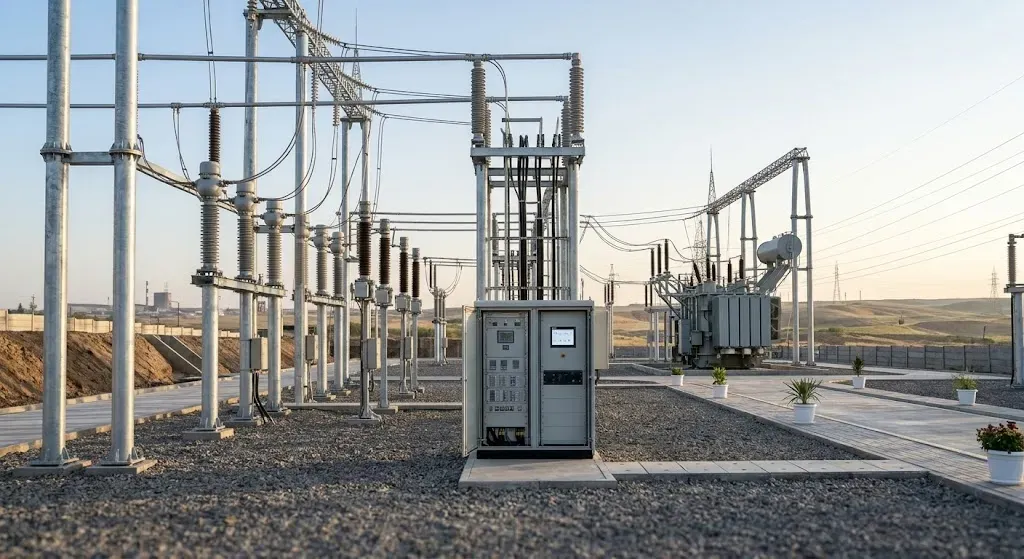
The financing structure comprises a USD 200 million loan approved by ADB on September 30, 2026, the World Bank’s USD 100 million loan and a USD 71 million contribution from the Uzbek government’s own budget. Joint-stock company National Electric Grid of Uzbekistan (NEGU) will implement the programme, focusing on the modernization and digitalization of 60 key electricity substations across the country.
The initiative addresses constraints in a distribution network where ageing infrastructure and overloaded substations contribute to electricity losses and service disruptions. Upgrading equipment and introducing digital capabilities are intended to improve network performance for households, businesses and public-service facilities, while allowing a greater volume of renewable electricity to be accommodated and delivered through the grid.
By 2031, the programme is expected to reduce annual electricity losses at renovated substations by 20,000 megawatt-hours and help integrate at least 3.3 gigawatts of renewable energy capacity. It is also projected to avoid nearly 23,000 tonnes of carbon dioxide equivalent emissions annually. The programme is expected to enable approximately 11,700 additional and improved jobs during the five years following commissioning of the modernized infrastructure.
The investment supports Uzbekistan’s target of producing 25 gigawatts of renewable energy by 2030. Achieving that objective will require distribution infrastructure capable of handling increased generation and changing electricity flows. Grid limitations can otherwise constrain renewable power integration and affect the reliability of electricity supplies as economic activity and demand expand.
The World Bank and ADB are coordinating their support through the Full Mutual Reliance Framework, which enables the institutions to use a joint approach to programme preparation and oversight. This arrangement is intended to reduce duplicated procedures and transaction costs for the government. Alongside physical infrastructure improvements, the programme will strengthen NEGU’s financial systems, cybersecurity, environmental and social safeguards, and gender equality in employment.
The programme has implications for Uzbekistan’s power and renewable energy sectors, as well as industrial and commercial electricity consumers that depend on reliable supply. For energy developers and investors, improved grid capacity could help reduce infrastructure constraints on renewable energy deployment. The extent of these benefits will depend on implementation, commissioning and the effective operation of the upgraded substations.
The World Bank is an international development institution that provides financing and technical assistance to support economic development. ADB is a multilateral development bank focused on inclusive and sustainable growth across Asia and the Pacific. NEGU is the Uzbek state-owned utility responsible for implementing the distribution-system modernization programme described in the financing announcement.