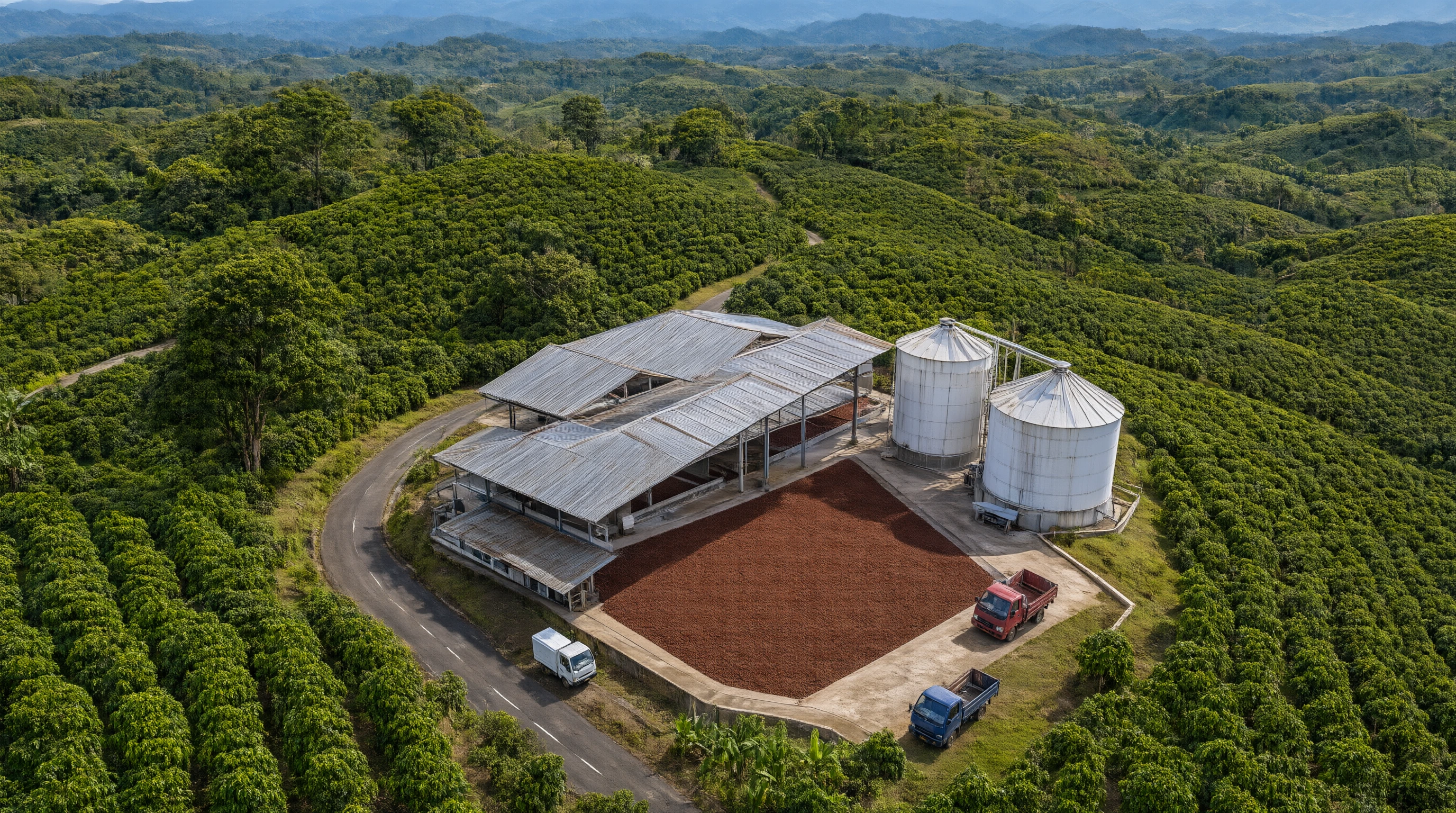
PHILIPPINES —A targeted PHP97.91 million capital injection under the Mindanao Inclusive Agriculture Development Project (MIADP) is set to modernise coffee production and supply chain infrastructure in Bukidnon, Philippines. Financed jointly by the Department of Agriculture and the World Bank through the broader PHP6.6 billion Mindanao Inclusive Agriculture Development Project (MIADP), the initiative delivers comprehensive logistics and post-harvest support to the Daraghuyan Ancestral Domain's indigenous agricultural sector.
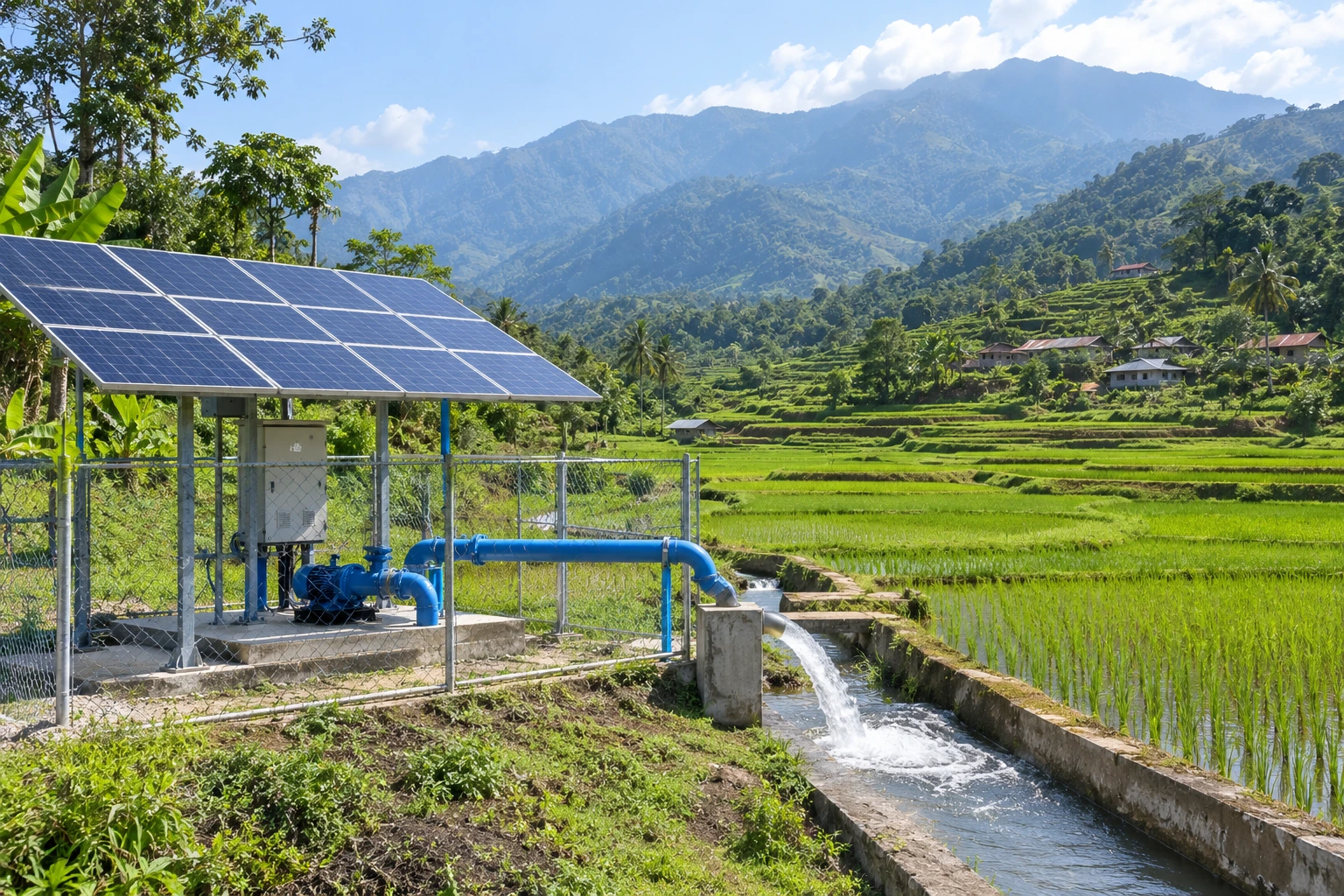
The funding package allocates PHP51 million toward two farm-to-market road access projects, including the 65.63 percent complete Sitio Damitan-Sitio Ulanguhon route and an upcoming roadway connecting Sitio Ulanguhon to Sitio Suopon. Infrastructure developments also incorporate PHP14.76 million dedicated to coffee consolidation, processing, and commercial enterprise facilities managed by the Inhandig Tribal Multi-Purpose Cooperative, alongside PHP10.45 million for multipurpose drying pavements and a multi-commodity warehouse. Additional allocations fund essential utility infrastructure, comprising PHP17.6 million for gravity-fed irrigation and ram pump systems, plus PHP4.1 million for a Level 2 potable water network.
The Department of Agriculture functions as the primary executive agency responsible for the growth, promotion, and regulation of the Philippines' agricultural and fisheries sector. The World Bank is an international financial institution providing loans and grants to low- and middle-income countries to pursue capital projects and foster economic development.
By upgrading rural transport corridors, post-harvest processing facilities, and water management networks, the initiative directly addresses historical supply chain bottlenecks that restrict smallholder profitability. Improved access to processing equipment and drying infrastructure reduces post-harvest losses, enhances coffee quality standards, and strengthens commercial integration for indigenous producers.
For agri-business investors, logistics operators, and regional commercial entities, this infrastructure push establishes an optimized foundation for high-value coffee sourcing in Mindanao. Upgraded transport links and structured cooperative enterprises create scalable commercial pathways, lower market entry barriers, and drive sustainable economic resilience across rural agricultural value chains.