PAKISTAN —The World Bank Group has approved USD 150 million in financing for the Sindh Property Revenues Enhancement Program (Sindh PREP), an initiative designed to improve municipal revenue generation and public service delivery across Pakistan’s Sindh province. The programme will support the Government of Sindh in modernising urban immovable property tax (UIPT) administration, increasing tax compliance and strengthening the financial management capabilities of local councils.
Karachi is a central focus of the initiative, with its 25 local councils targeted for improvements benefiting approximately 3.58 million residents. The city currently generates around USD 8.5 million annually through property taxation, while the programme aims to increase annual collections to USD 85 million and raise compliance from 20% to 50%. Planned measures include digital tax administration systems covering billing, payment processing and grievance management, alongside integrated financial management information systems for participating councils.
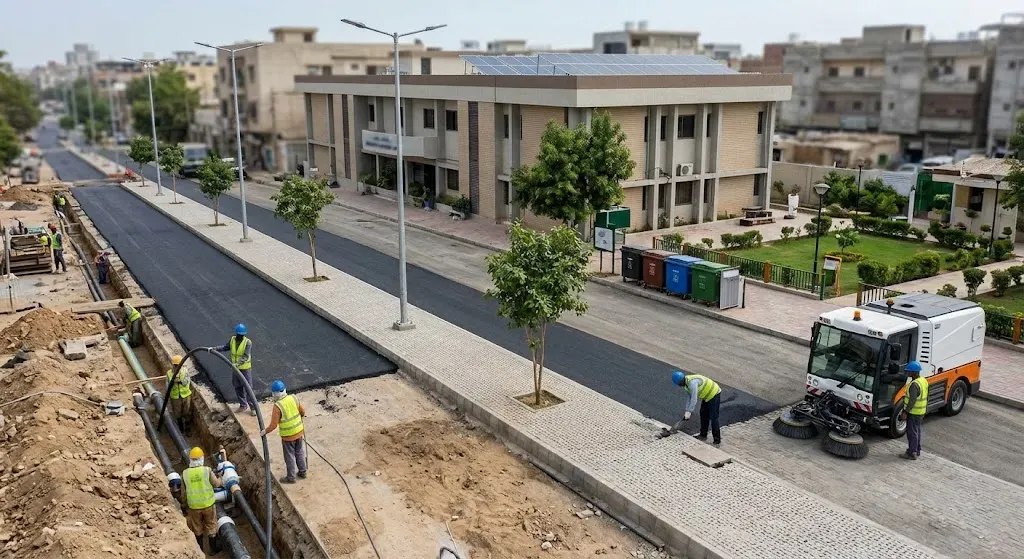
Approximately 70% of property tax revenues collected under the programme are intended to be reinvested in municipal infrastructure and public services. Funding allocations will be linked to independently verified annual performance assessments of participating councils. Eligible investments will cover climate-resilient infrastructure and essential services, including drainage, sewerage networks, roads, street lighting, schools and fire stations.
The USD 150 million financing package also includes a USD 40 million Investment Project Financing component to extend property surveys and tax administration improvements to 20 local councils in other urban centres across Sindh. This component is expected to indirectly benefit approximately 4.5 million people, expanding the programme's reach beyond Karachi and supporting more consistent municipal revenue management across the province.
The initiative addresses a structural constraint in Sindh’s urban governance, where local councils currently depend on provincial government transfers for more than 95% of their revenues. Greater reliance on locally generated property taxes could strengthen fiscal autonomy, improve the predictability of municipal budgets and create additional funding capacity for infrastructure development and service maintenance.
The programme is expected to affect urban infrastructure development, municipal finance and climate-resilient construction across Sindh. Improved revenue mobilisation and performance-linked funding could create opportunities for engineering, construction and public-service contractors involved in drainage, roads, sanitation and municipal facility rehabilitation. For businesses and investors, stronger local government finances could support more reliable urban services and longer-term infrastructure planning.
The World Bank Group is an international development institution that provides financial assistance, technical expertise and policy support to governments and private-sector stakeholders. Its development activities include financing programmes focused on infrastructure, economic development, public-sector reforms and essential services.