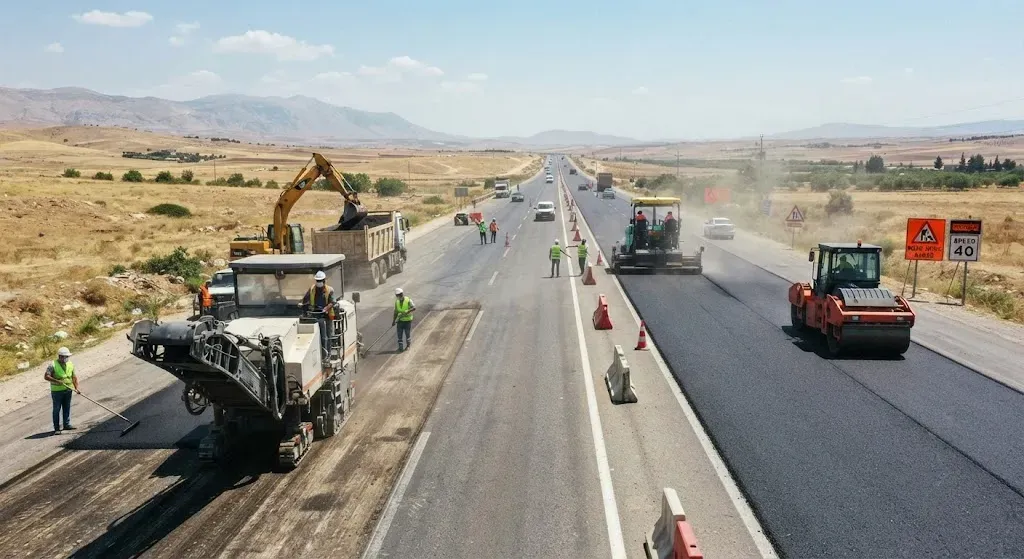
SRI LANKA —Sri Lanka has secured $110 million in fresh financing from the World Bank’s International Development Association Crisis Response Window to restore critical transport corridors severely damaged by Cyclone Ditwah. The targeted intervention focuses on reconstructing approximately 600 kilometers of key regional and rural roadways, incorporating advanced engineering solutions such as modernized drainage systems, enhanced landslide protection barriers, and climate-hardened paving specifications to safeguard networks against extreme weather disruptions.
This emergency financing package expands the World Bank Group's ongoing Inclusive Connectivity and Development Project, extending its implementation timeline by three years and bringing cumulative multilateral commitments under the program to $610 million. Founded in 1944, the World Bank Group is an international financial institution that provides financing, policy guidance, and technical assistance to developing nations to reduce poverty, build shared prosperity, and strengthen economic resilience.
The capital injection addresses severe infrastructure degradation across Sri Lanka's transport network, which suffered approximately $973 million in damages following the November 2025 cyclone. Total disaster damages nationwide reached an estimated $4.1 billion, severely impairing regional mobility and supply chain logistics across 25 districts. By restoring vital arterial routes across eight primary target districts, the initiative aims to reconnect over 830,000 residents to essential civic services, local trade hubs, healthcare facilities, and educational institutions.
From an industry and economic perspective, the restoration of logistics networks provides significant relief to Sri Lanka's agricultural export sectors, including tea, vegetable, and paddy production. Re-establishing reliable transport links directly links nearly 22,000 agricultural producers to domestic and international commercial buyers, mitigating supply chain bottlenecks and reducing post-harvest transit losses. Additionally, reconstruction and structural maintenance activities are projected to generate over 5,600 direct technical and operational jobs, accelerating local economic recovery.
For institutional investors, civil engineering firms, and policy strategists, the project underlines a broader shift toward integrating climate adaptation criteria into public infrastructure procurement. Aligned with the World Bank’s Country Partnership Framework for Sri Lanka (2026–2030), the initiative sets a benchmark for private sector-led growth underpinned by durable assets. Capital allocations prioritizing disaster-resilient infrastructure are increasingly shaping concessionary lending models and sovereign risk management strategies across climate-vulnerable emerging markets.